
Large integrity projects must be managed precisely for the project to stay on schedule and budget
Managing Large Scale Integrity Projects
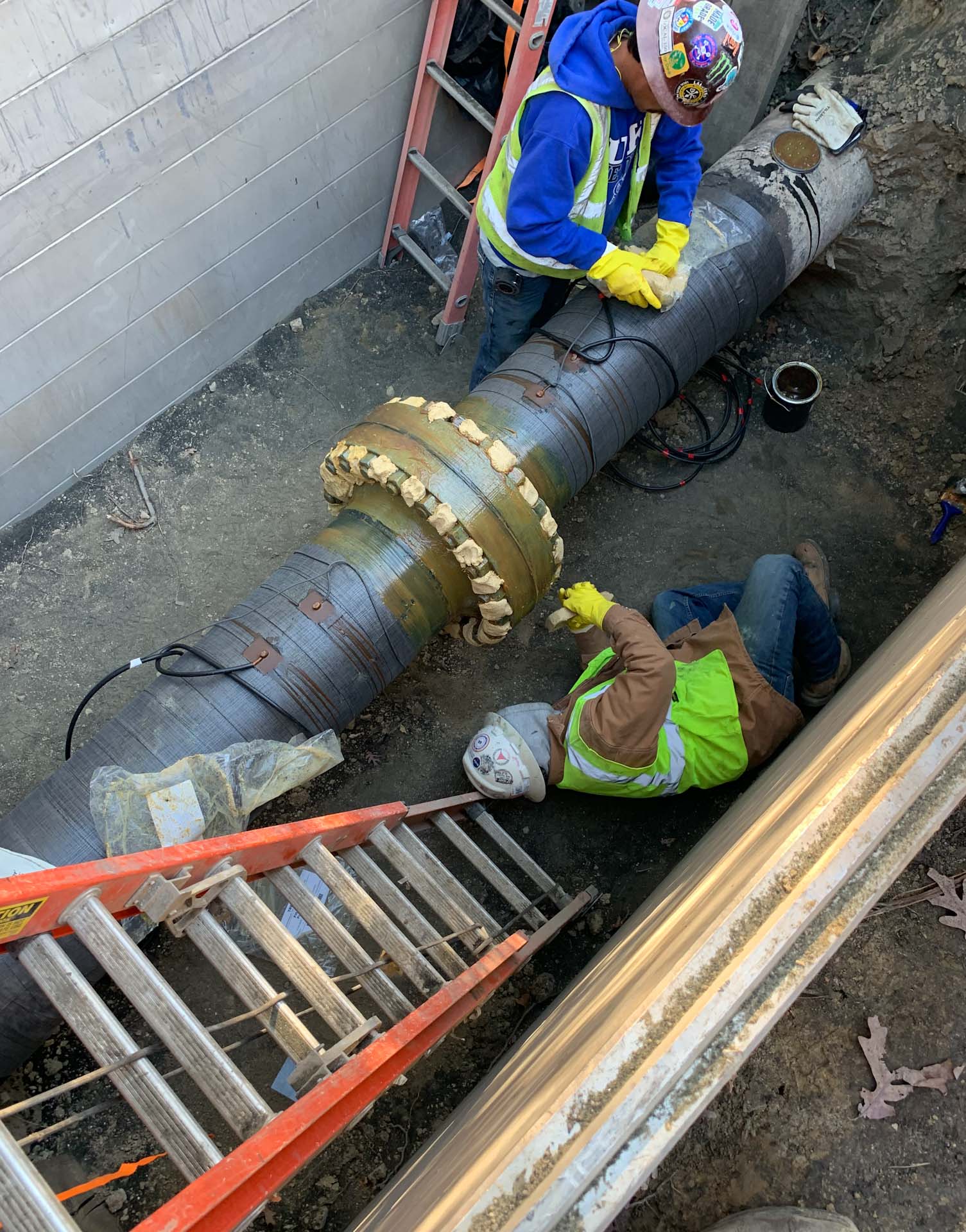
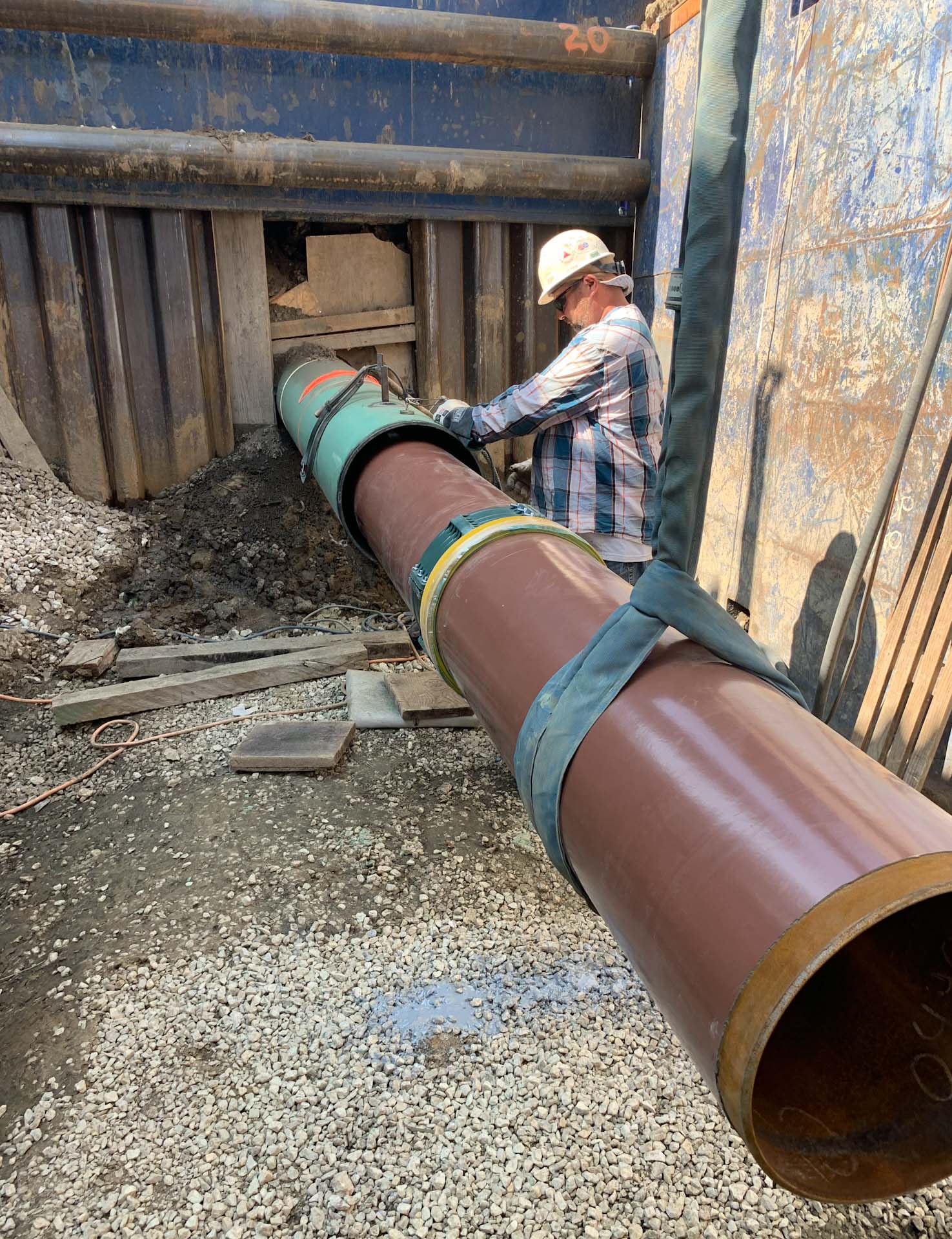
Comprehensive management of midstream pipeline integrity work takes experience, planning, competent tradesmen, and the ability to obtain permits from transportation agencies, government entities, railroads, and other utility owners. This case study describes pipeline integrity work and how in-service pipelines are maintained for peak flow.
Maintaining the integrity of a pipeline is a multi-layered process known as Pipeline Integrity Management (PIM). It utilizes prevention, detection, and mitigation strategies that combine engineering standards, real-time technology, and rigorous physical inspections to ensure safe operation throughout the asset's life span..
Prevention includes all elements of design and construction that are used to protect the pipe during construction and installation. This case study will be limited to pipe that is in service.
In-service, high pressure, pipelines can be compromised through:
- 3rd party mechanical damage
- Electrolysis from stray AC or DC electrical currents
- Original (mill) manufacturer defects, and others.
The most common damage is from corrosion where metal loss, due to electrolysis, thins the wall of the pipe. When this loss is discovered, if it is severe enough, the pipeline may have to operate at a lower pressure until the anomalies are addressed.
Mechanical pipeline damage may be detected visually. Mechanical damage usually occurs when pipelines are exposed in a stream or riverbed, or from construction and agricultural tillage operations. This type of damage may not be reported. However, to maintain thousands of miles of in-service pipeline, and to detect unreported damage, operators rely on smart tools and In Line Inspections, or ILIs. These smart tools are high-tech devices that travel inside the pipe using magnetic flux leakage (MFL) or ultrasonic waves to scan for dents, cracks, or wall thinning without stopping product flow.
The accumulated data is evaluated by using spreadsheets and graphs to determine the extent of the metal loss, and the engineering station and clock position where the anomaly occurs along the pipeline. The severity of metal loss determines the priority of the repair - if the anomaly is rated high enough, it can become what is called as an "immediate", requiring inspection as soon as possible (often 5 days or less). As an integrity contractor Midwestern Contractors (MWC) plans the customer’s integrity repair program around the prioritized digs.
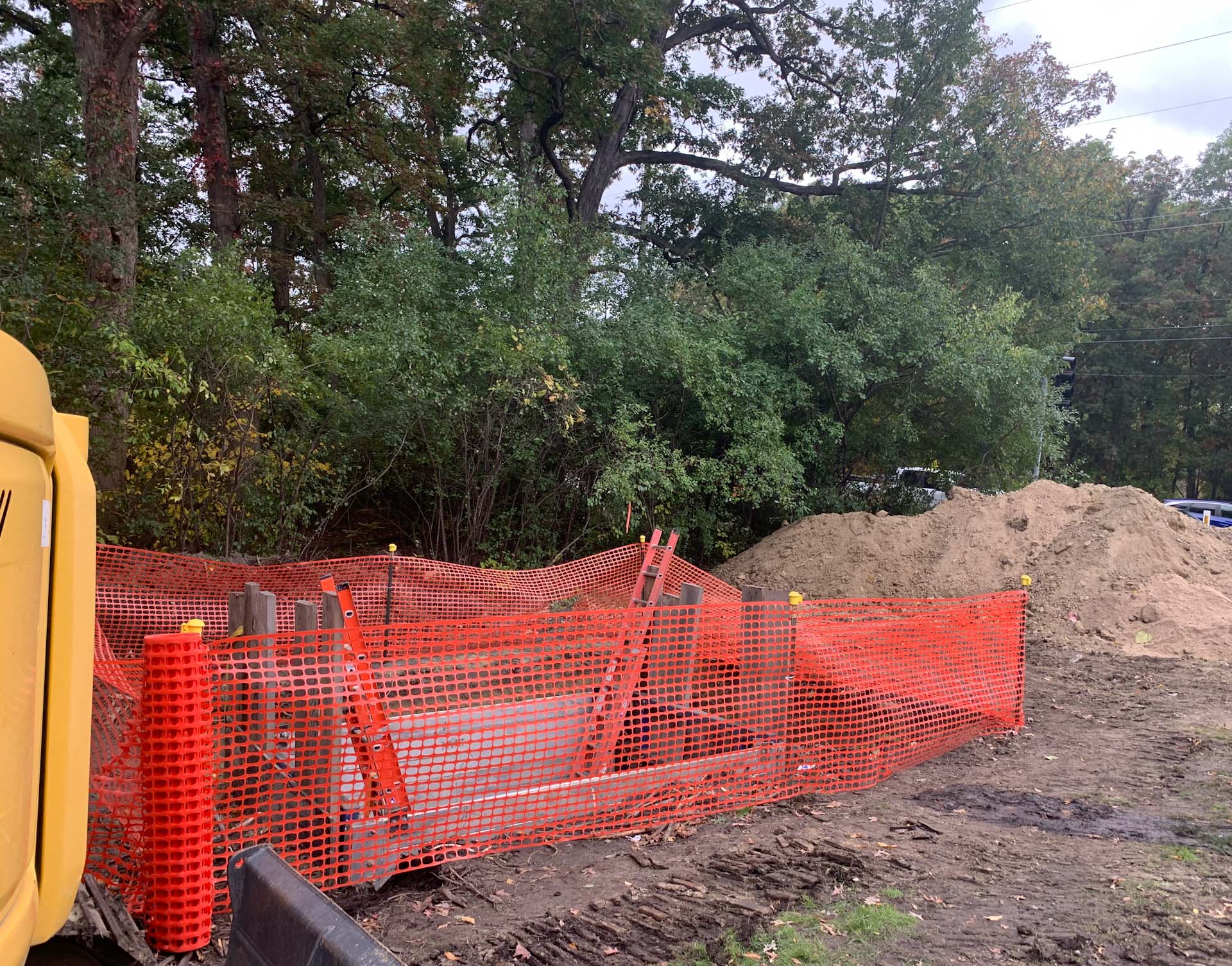
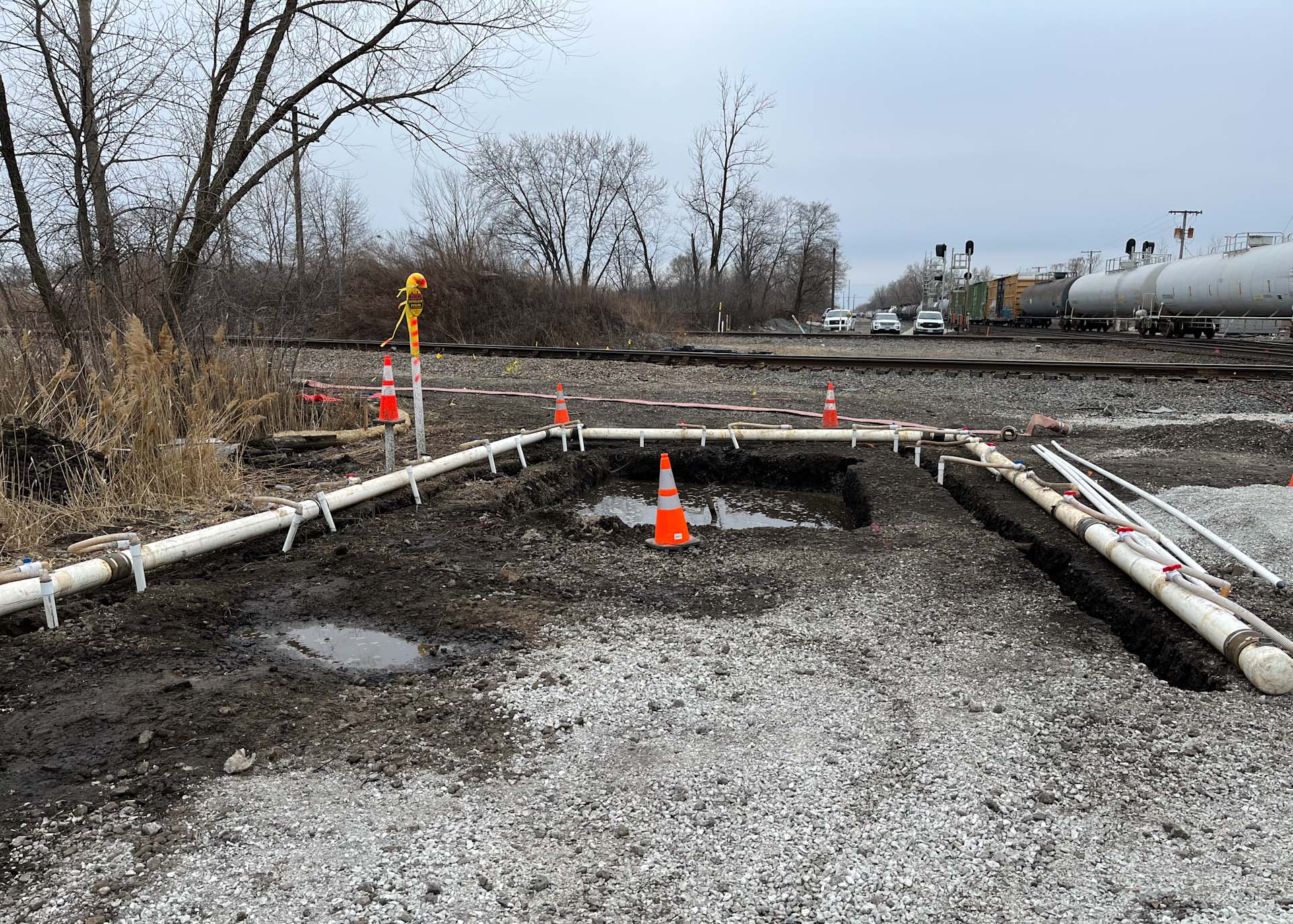
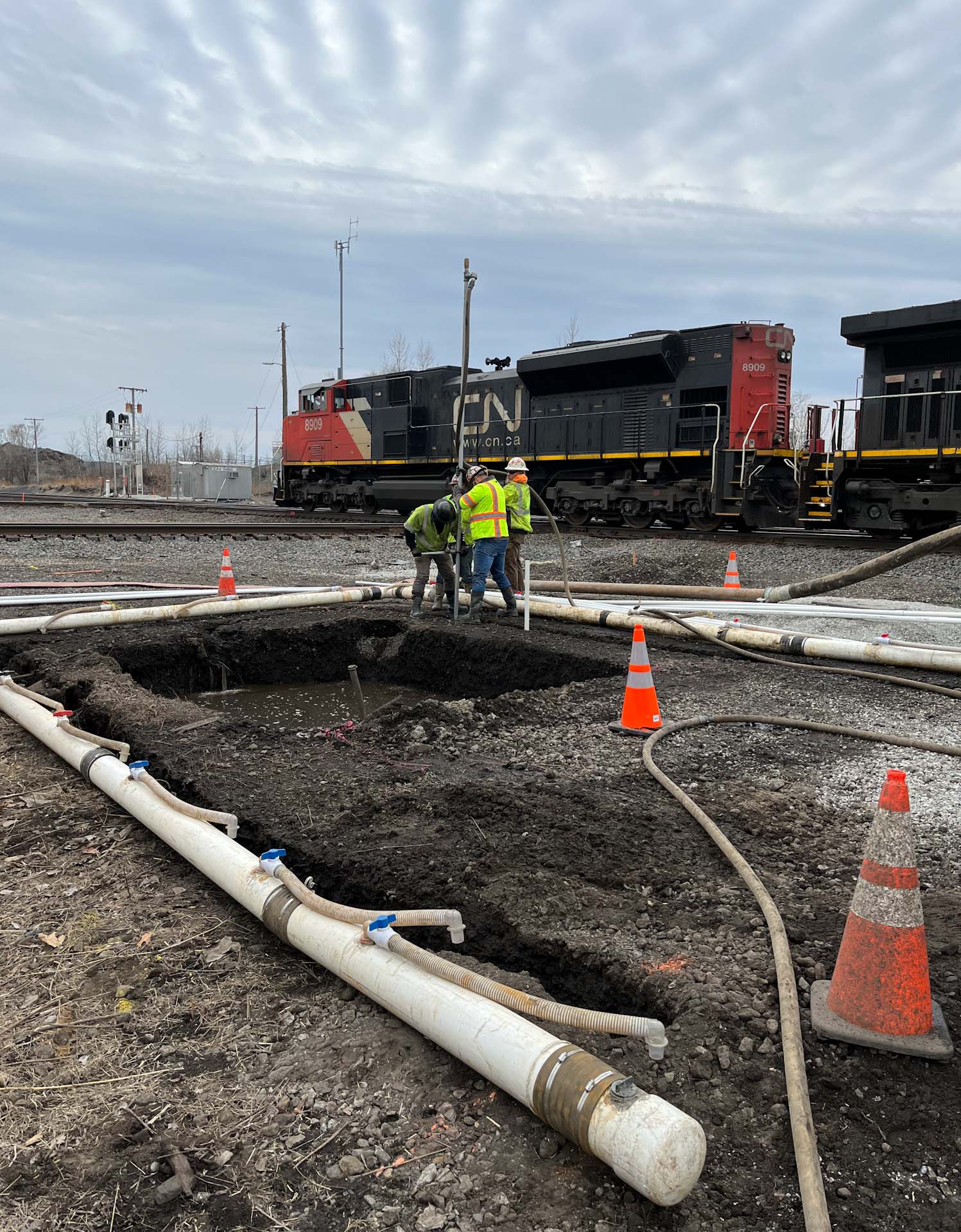
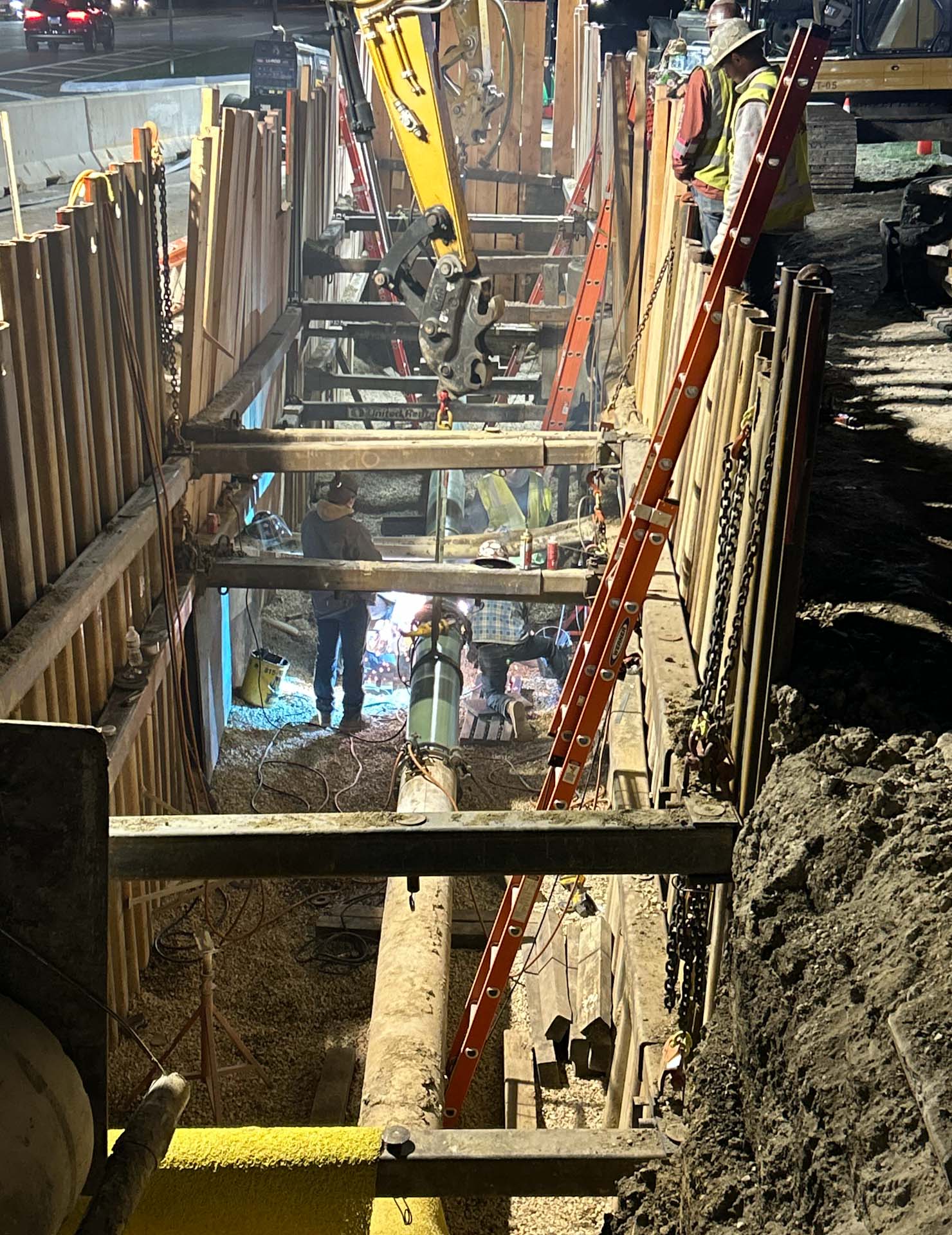
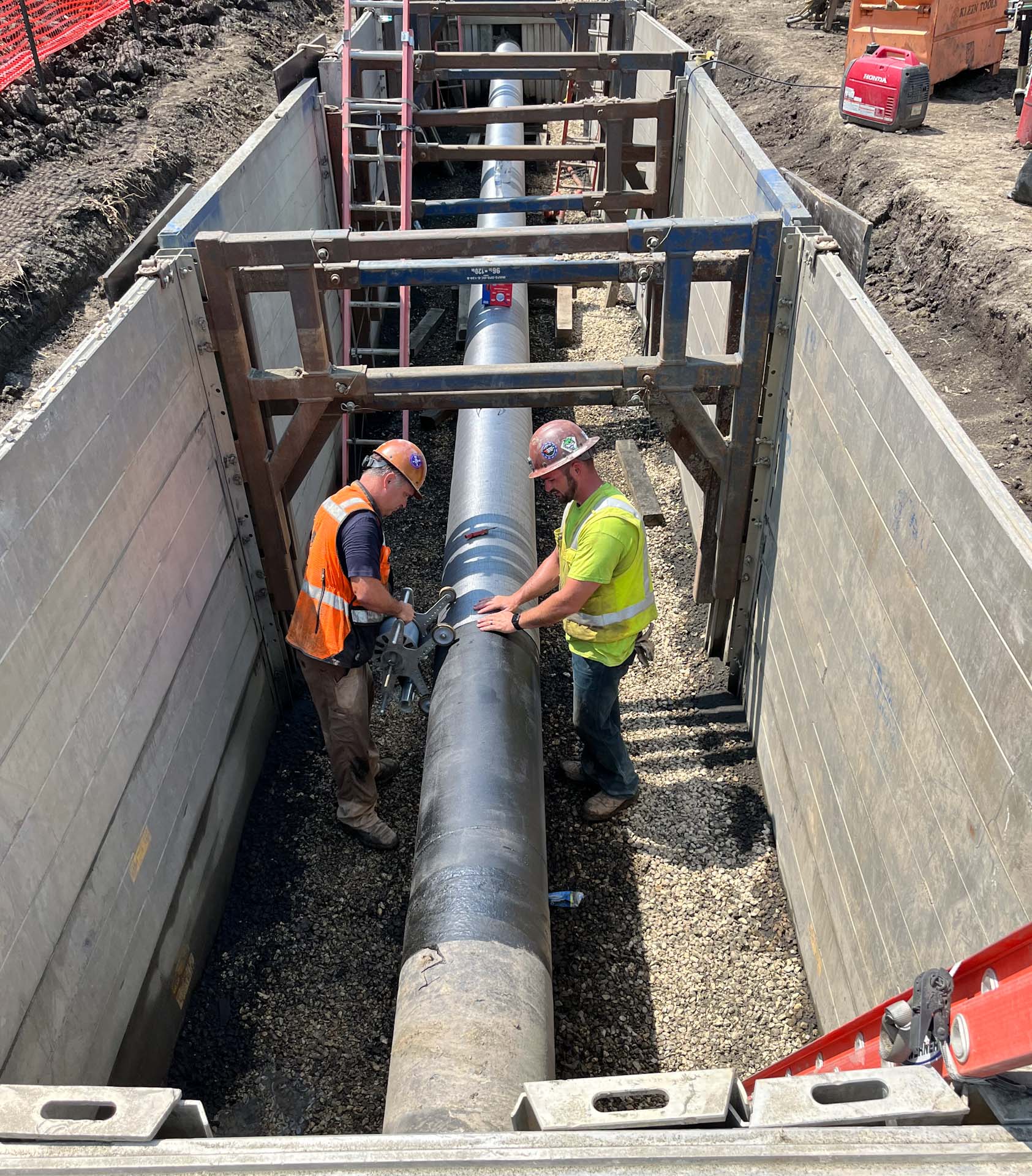
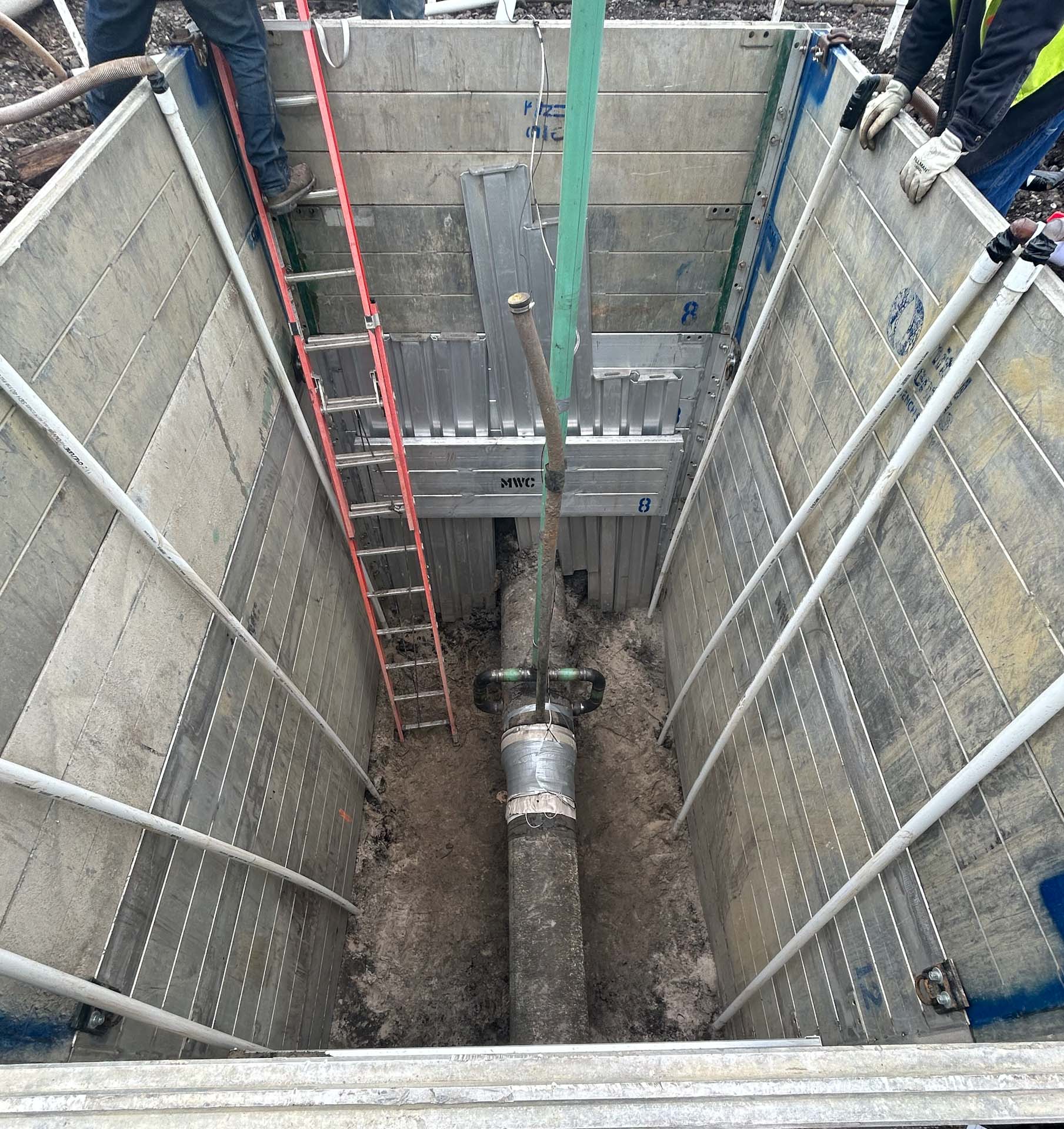
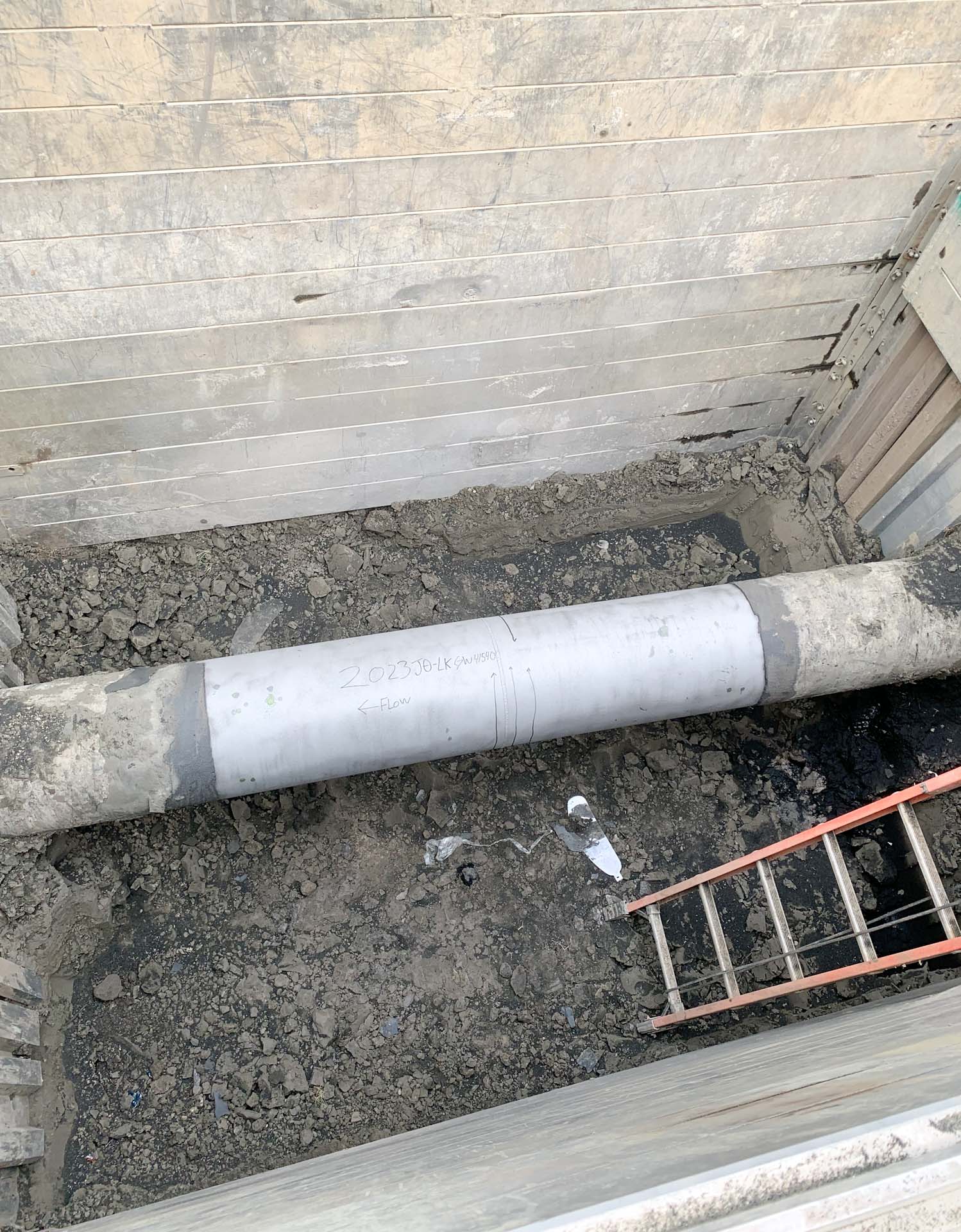
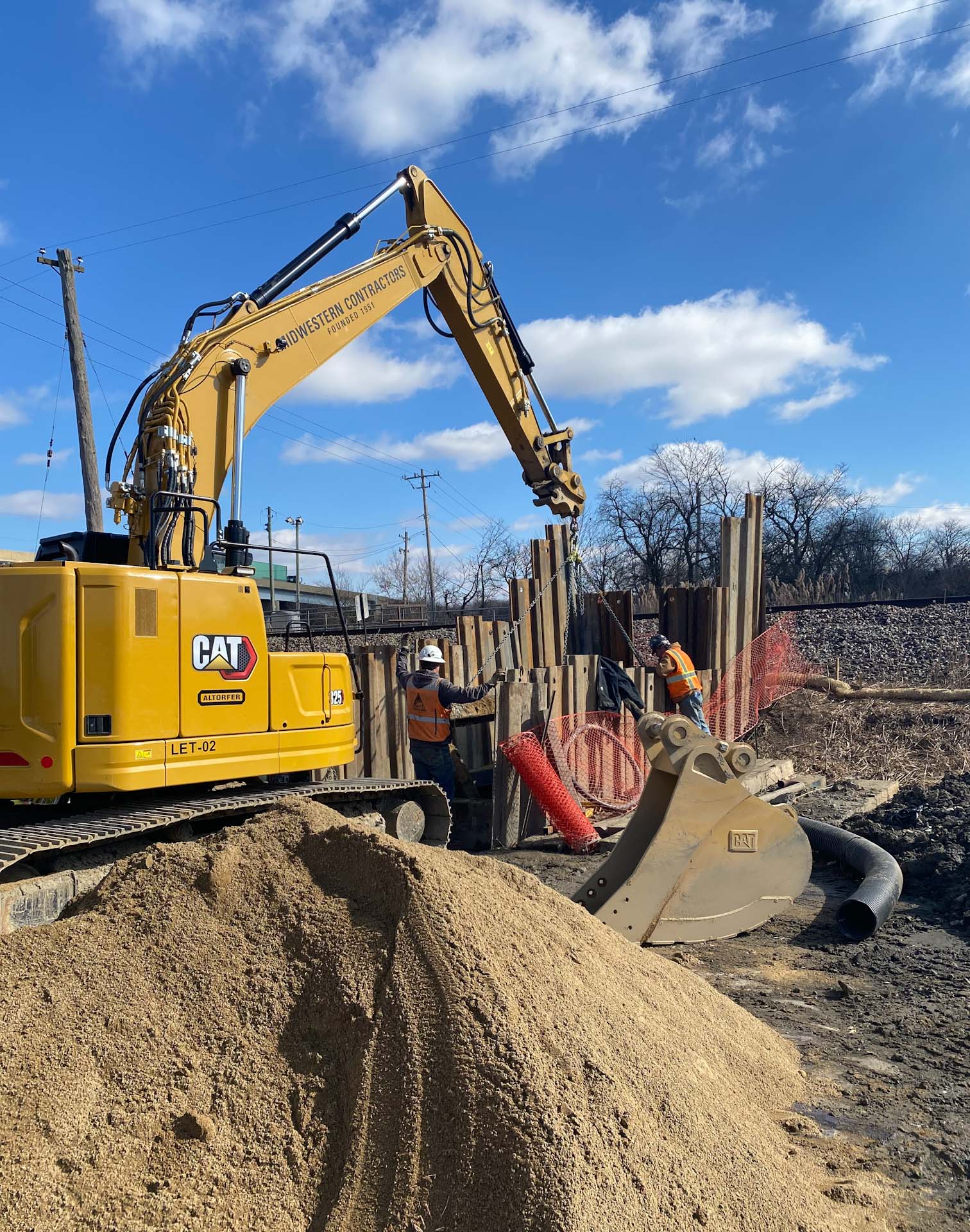
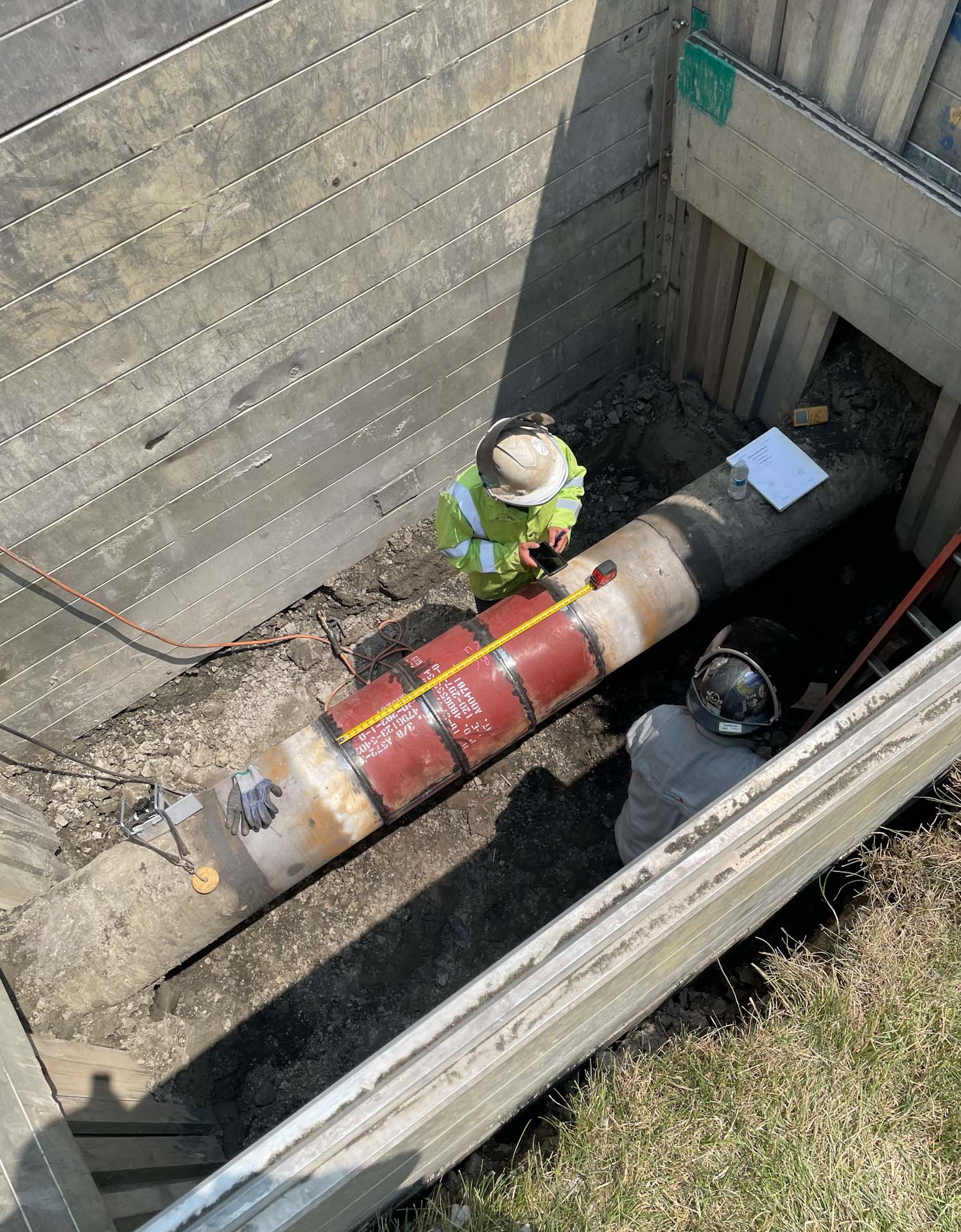
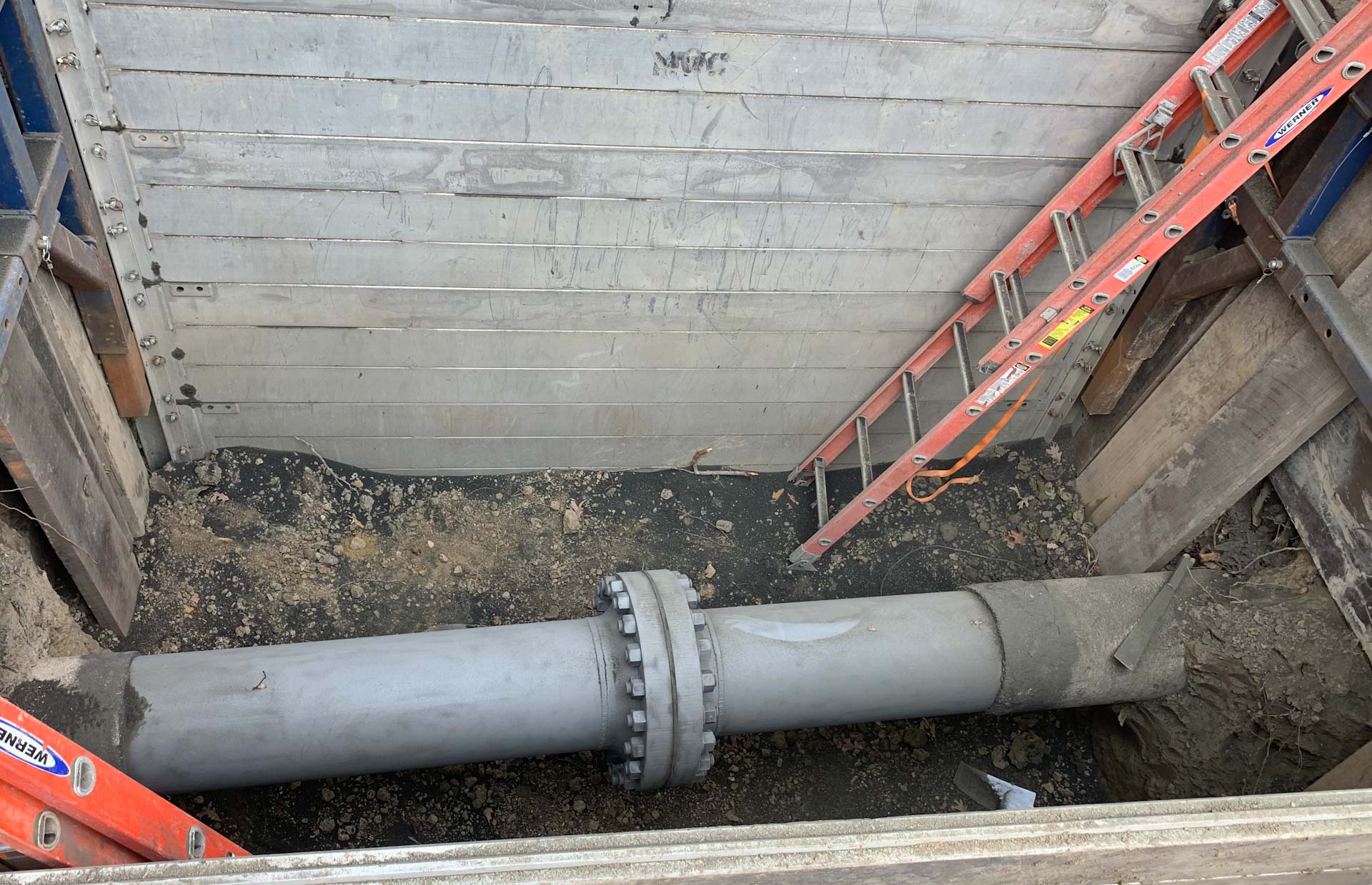
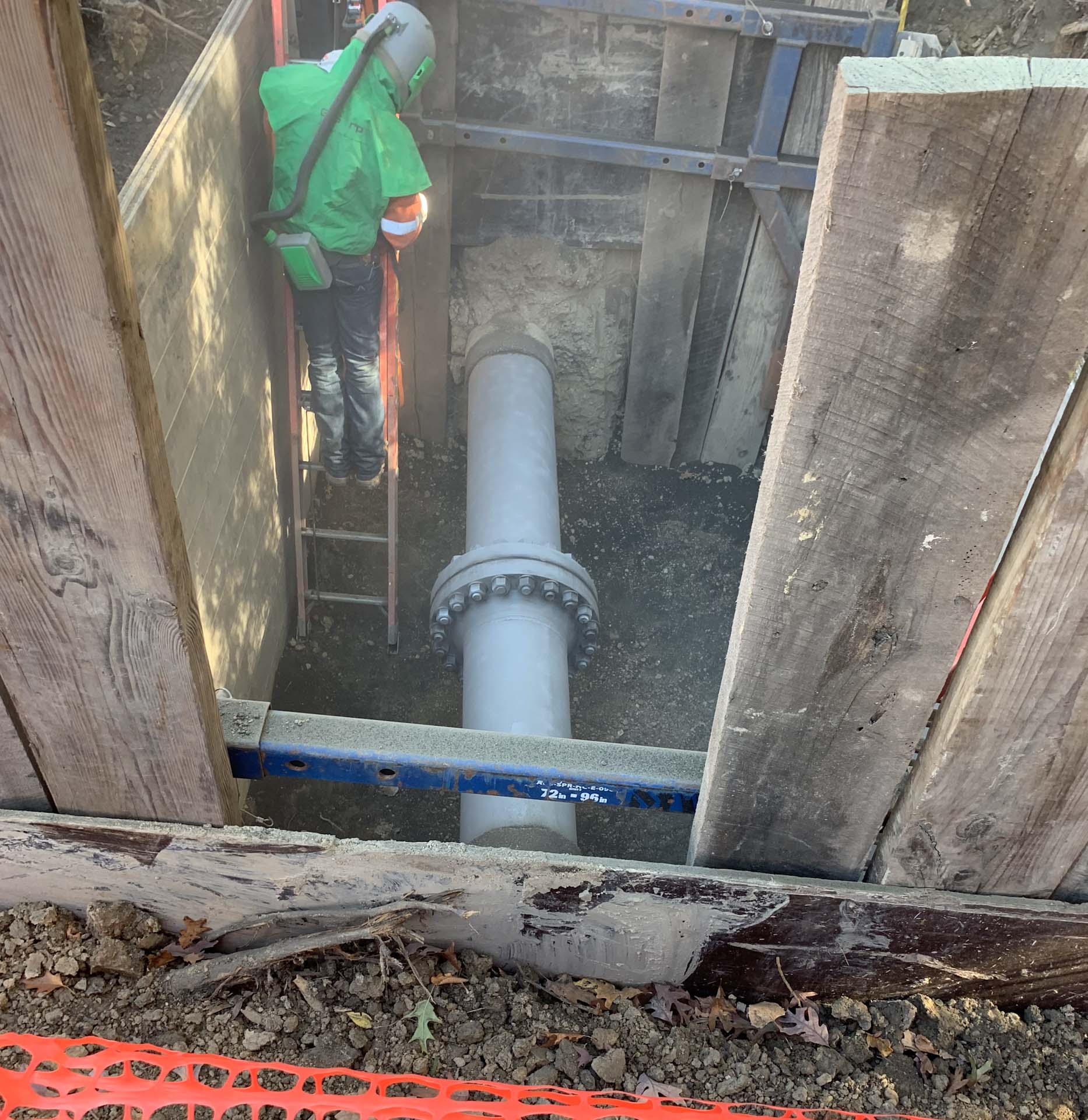
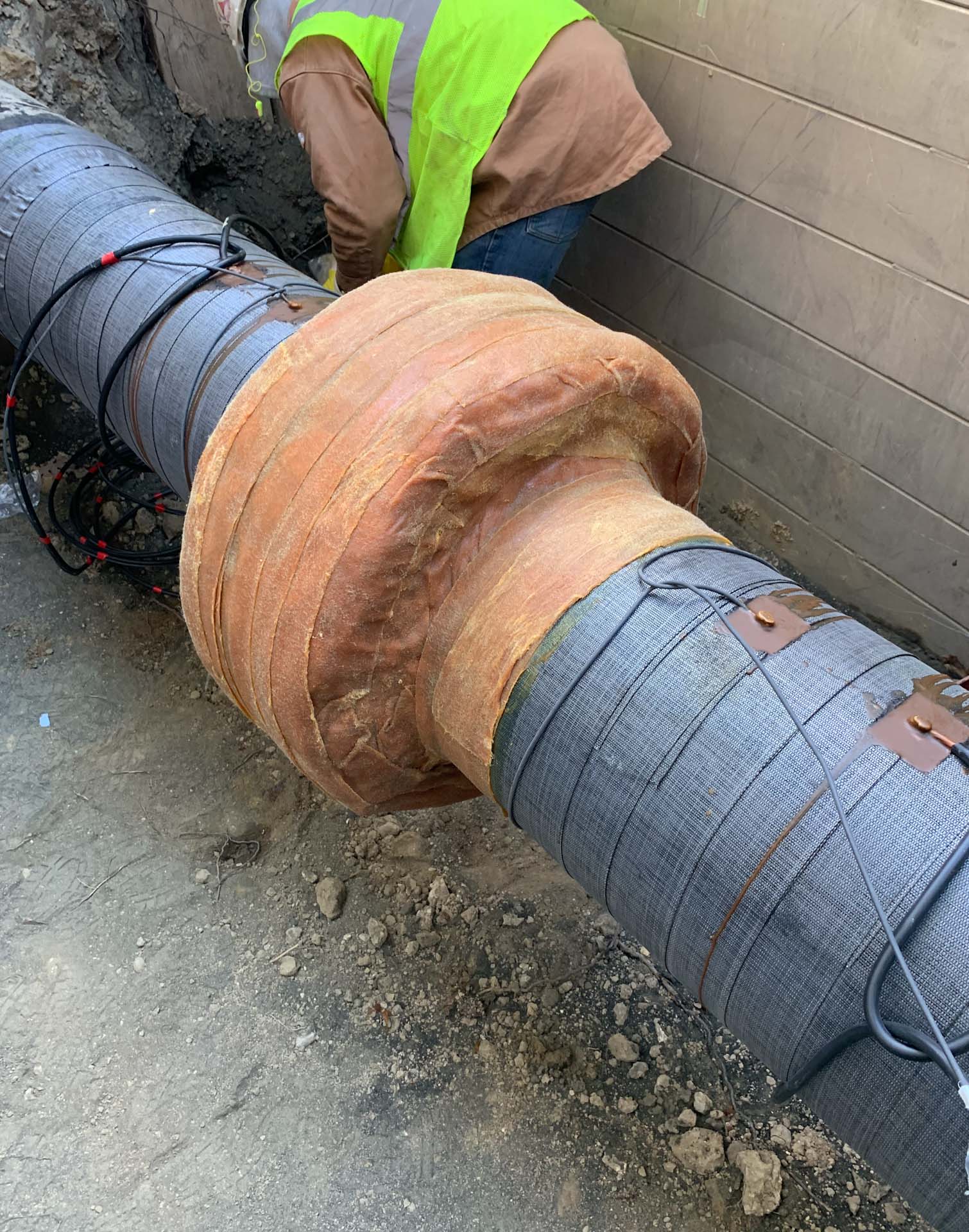
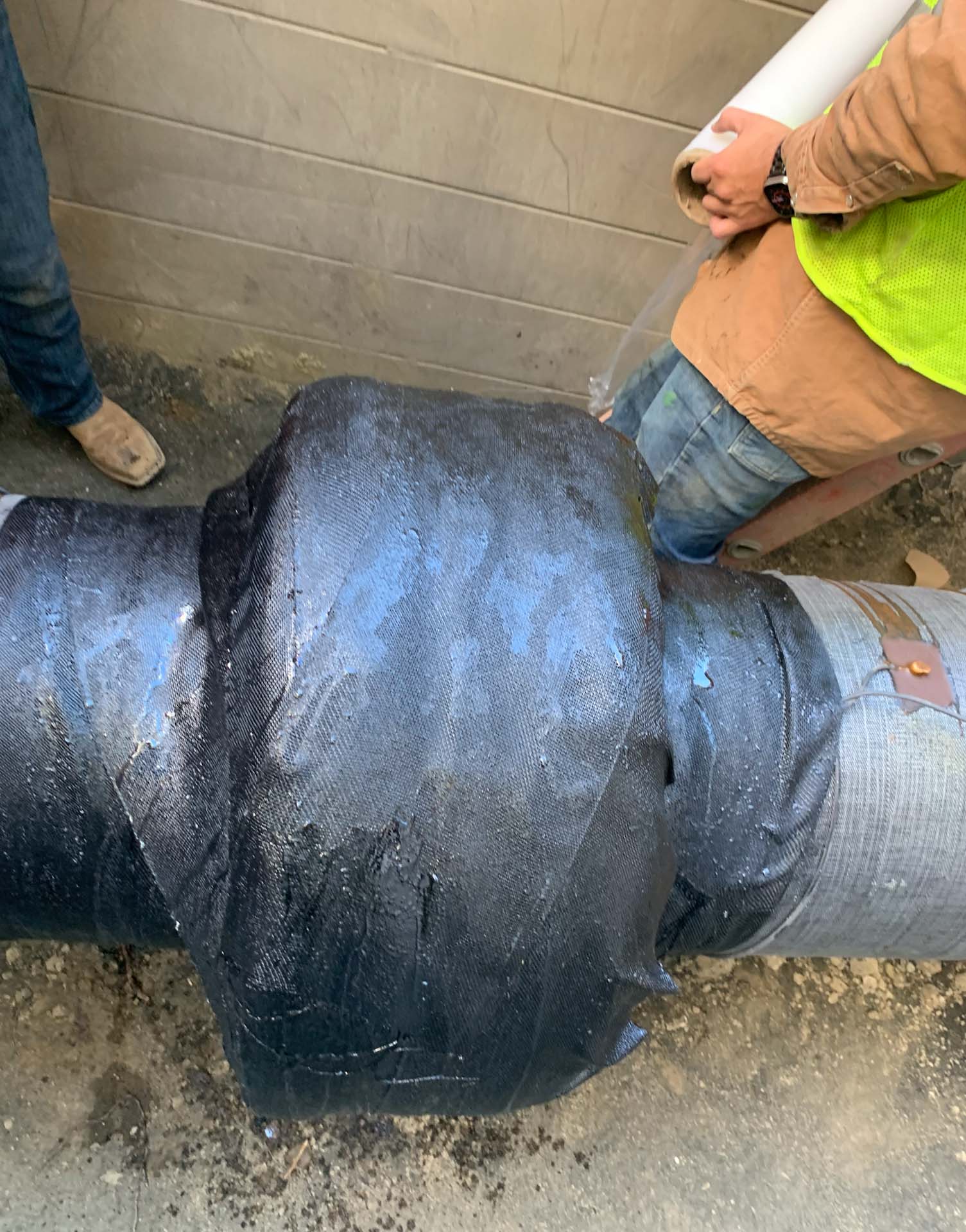
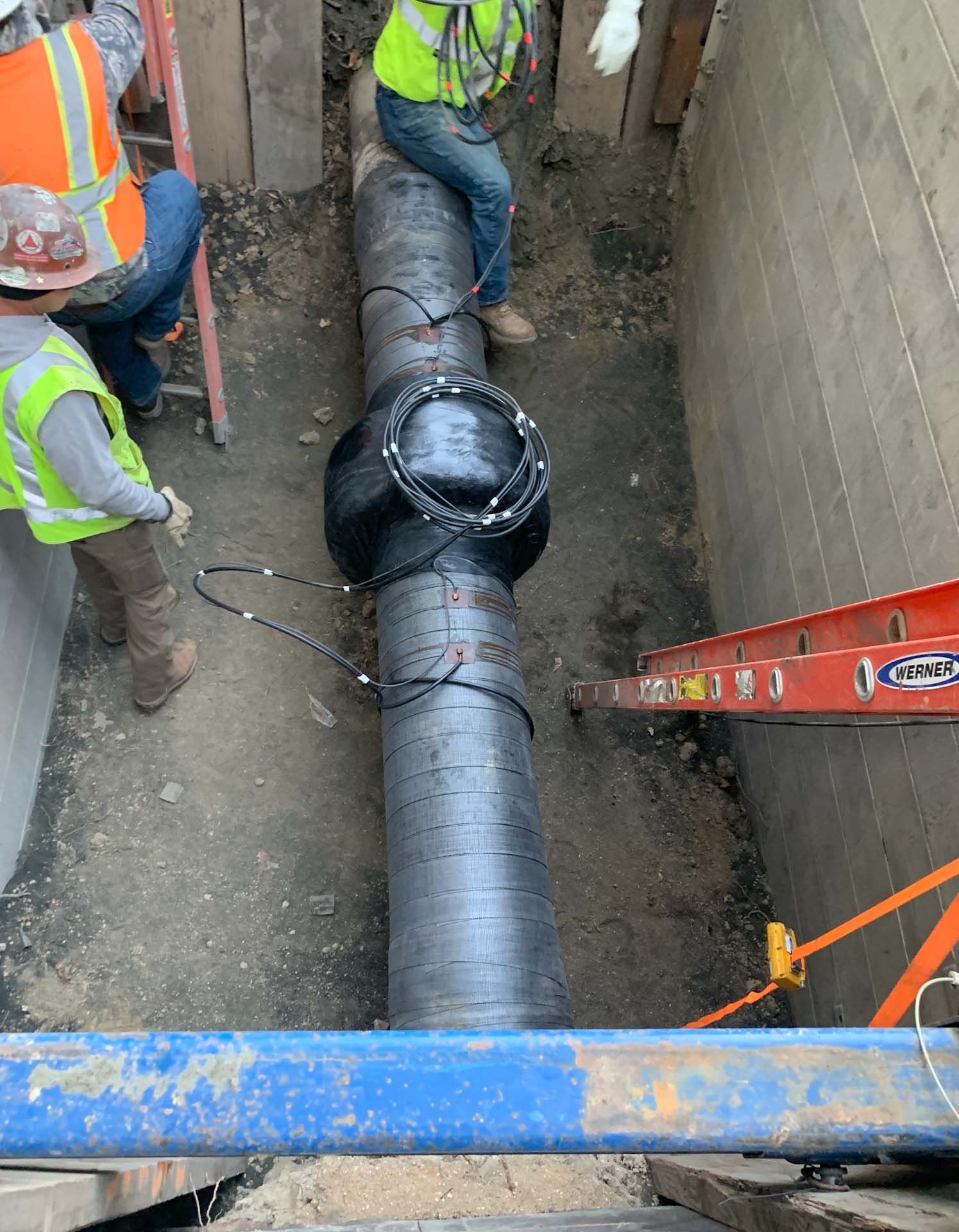
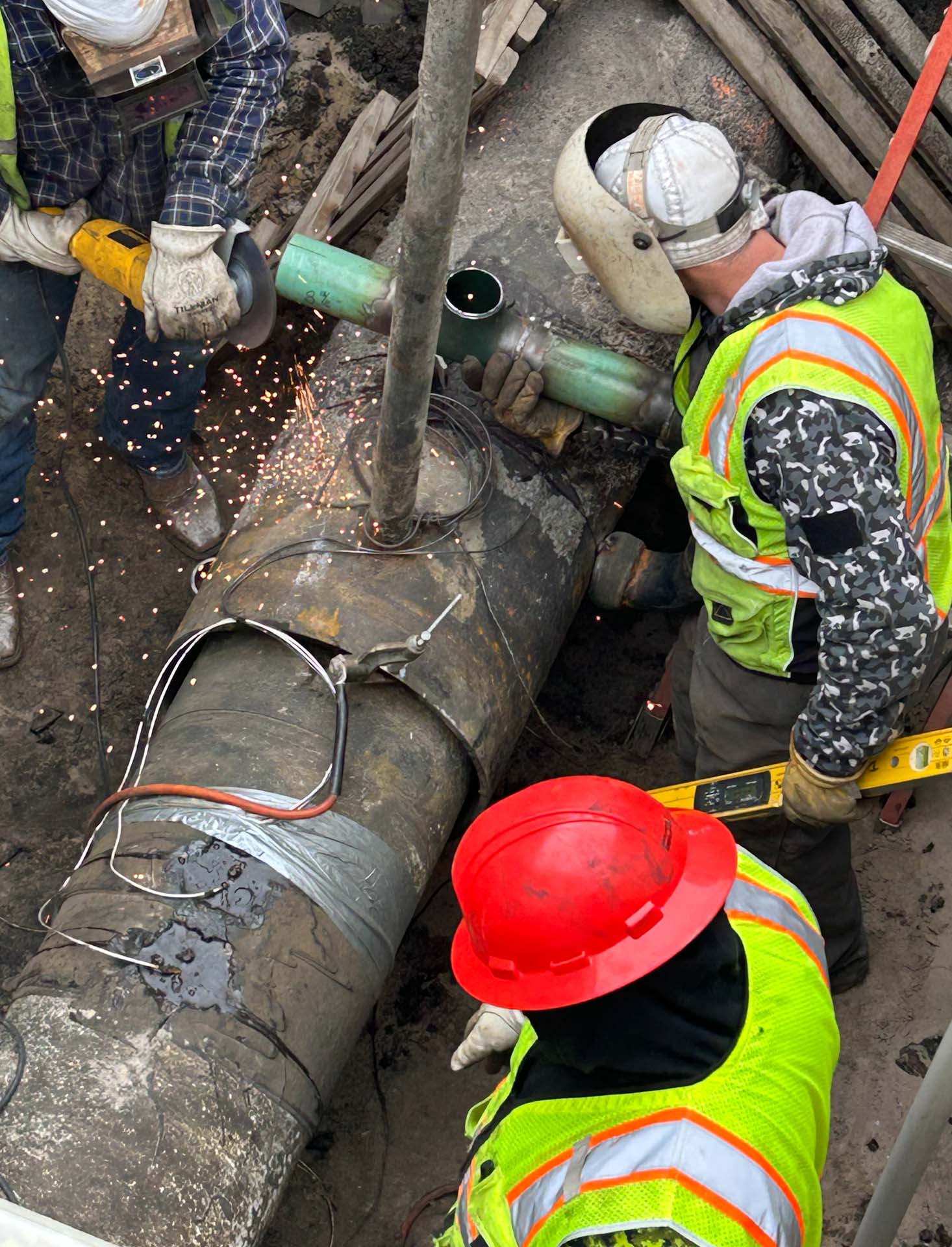
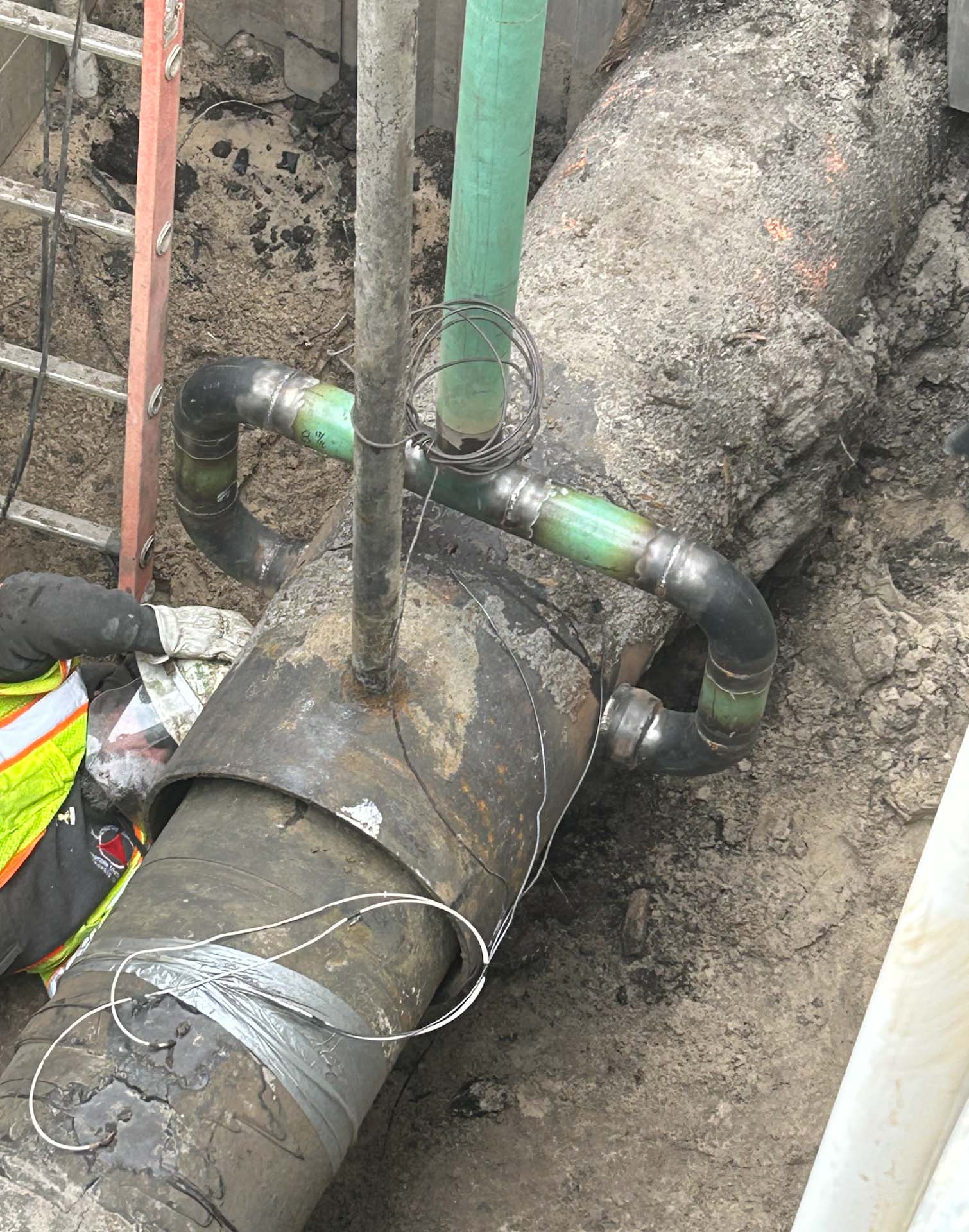
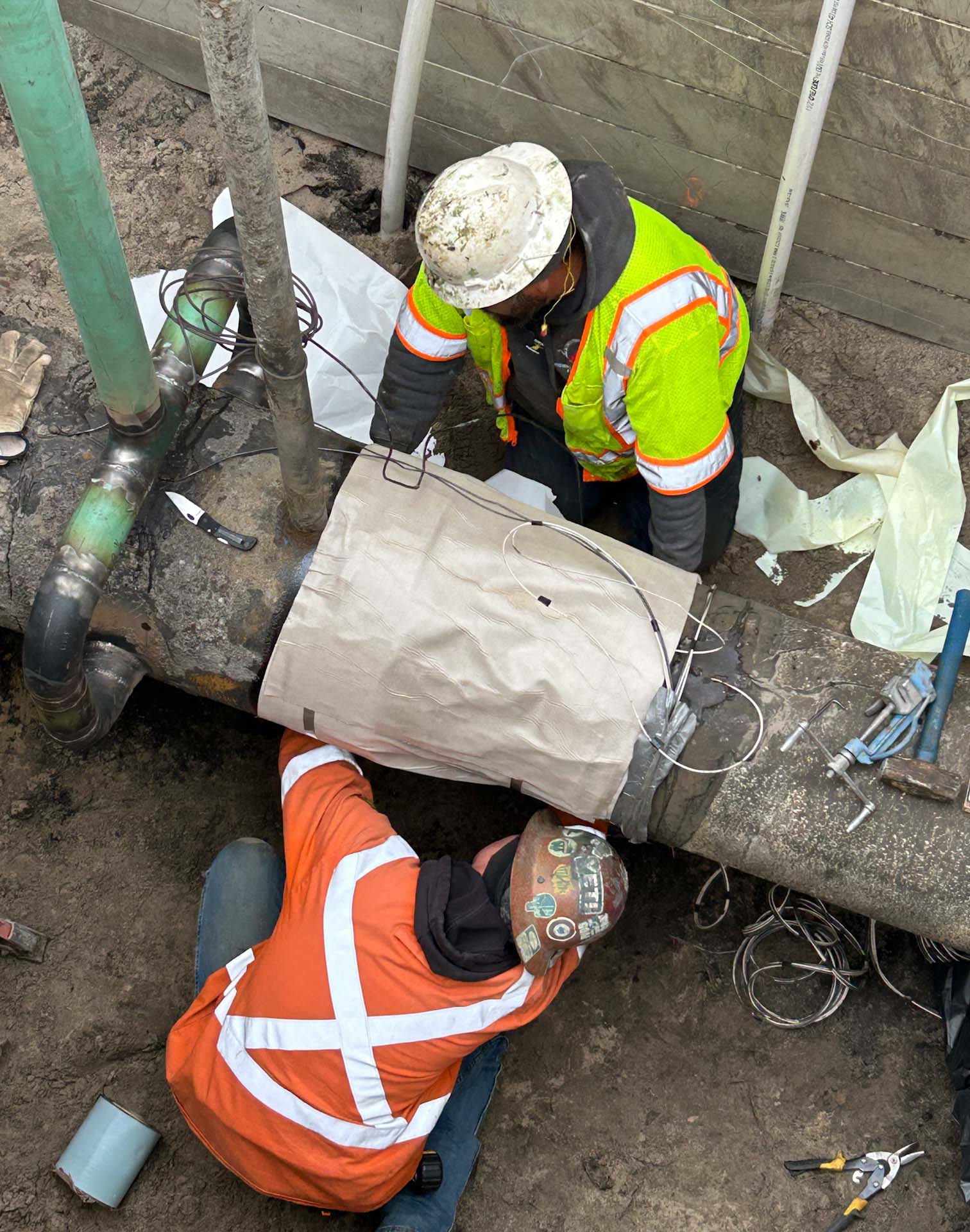
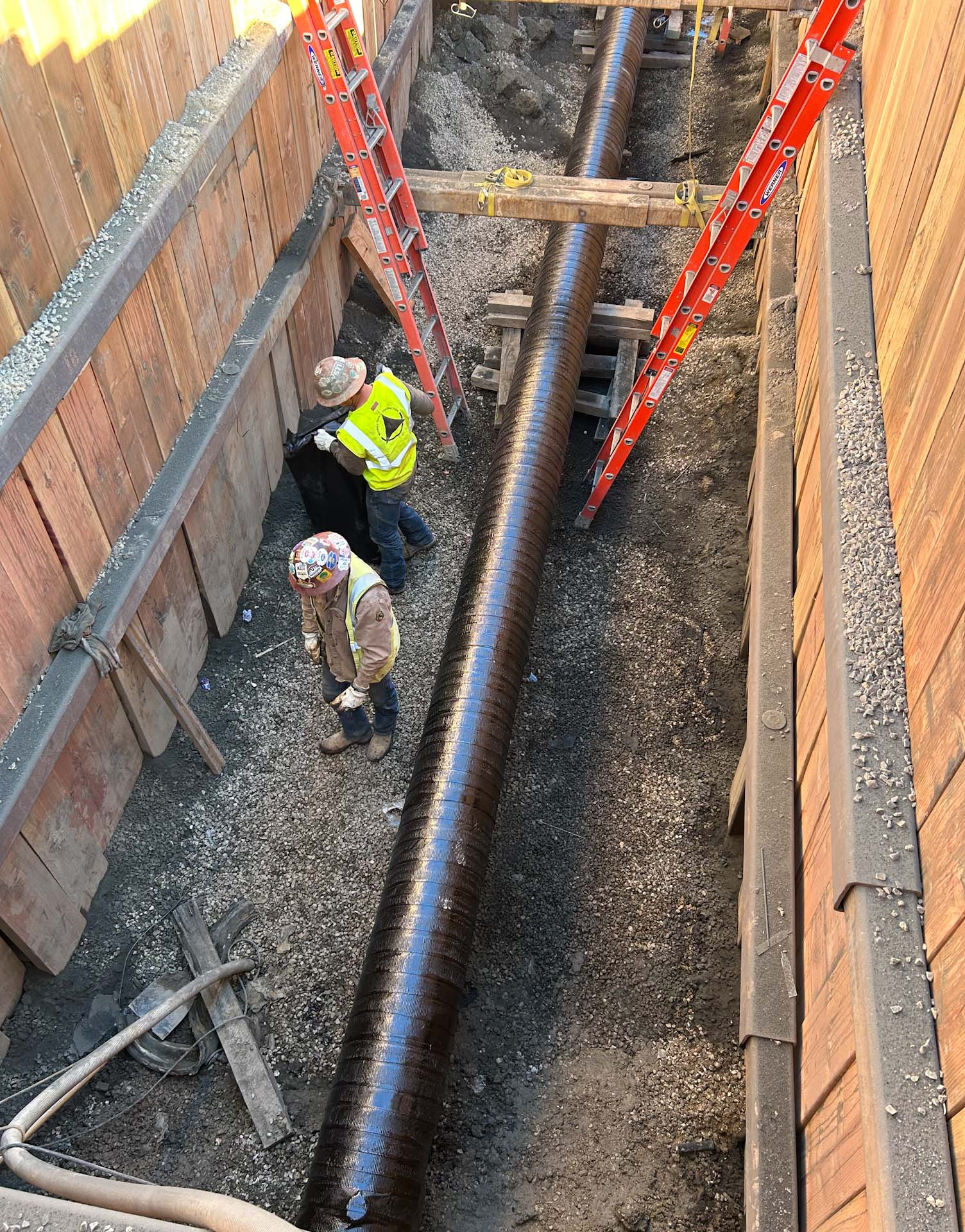
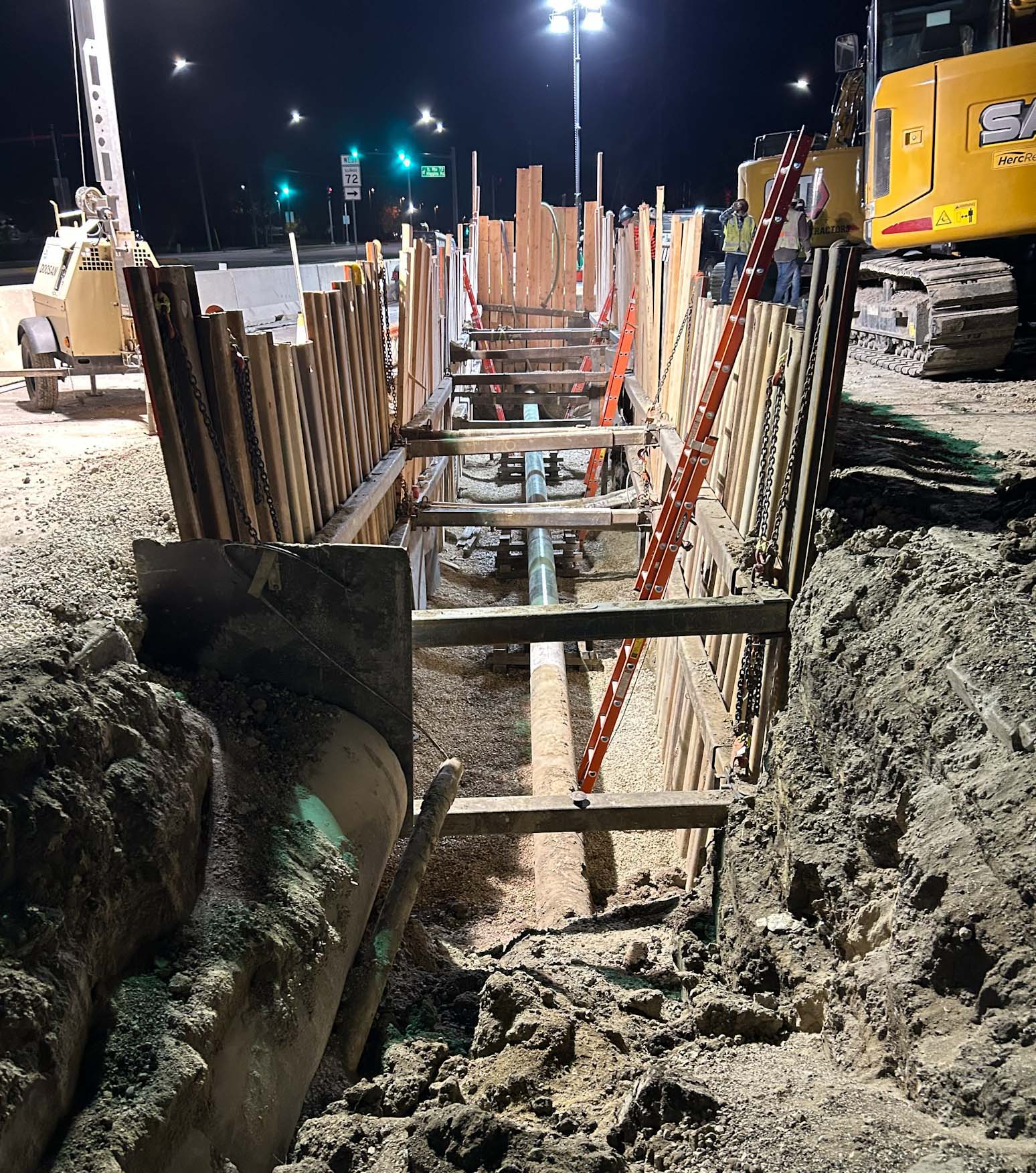
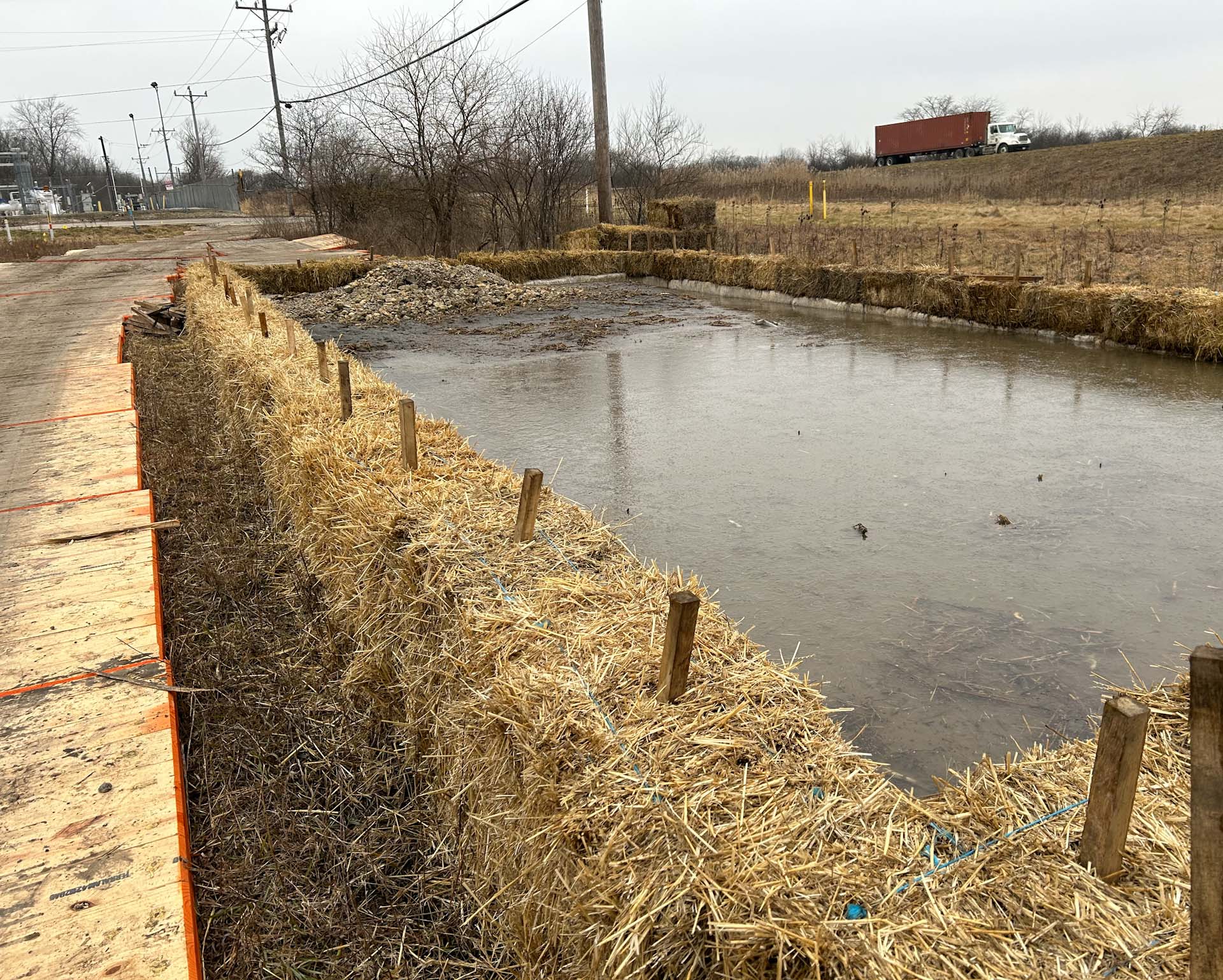
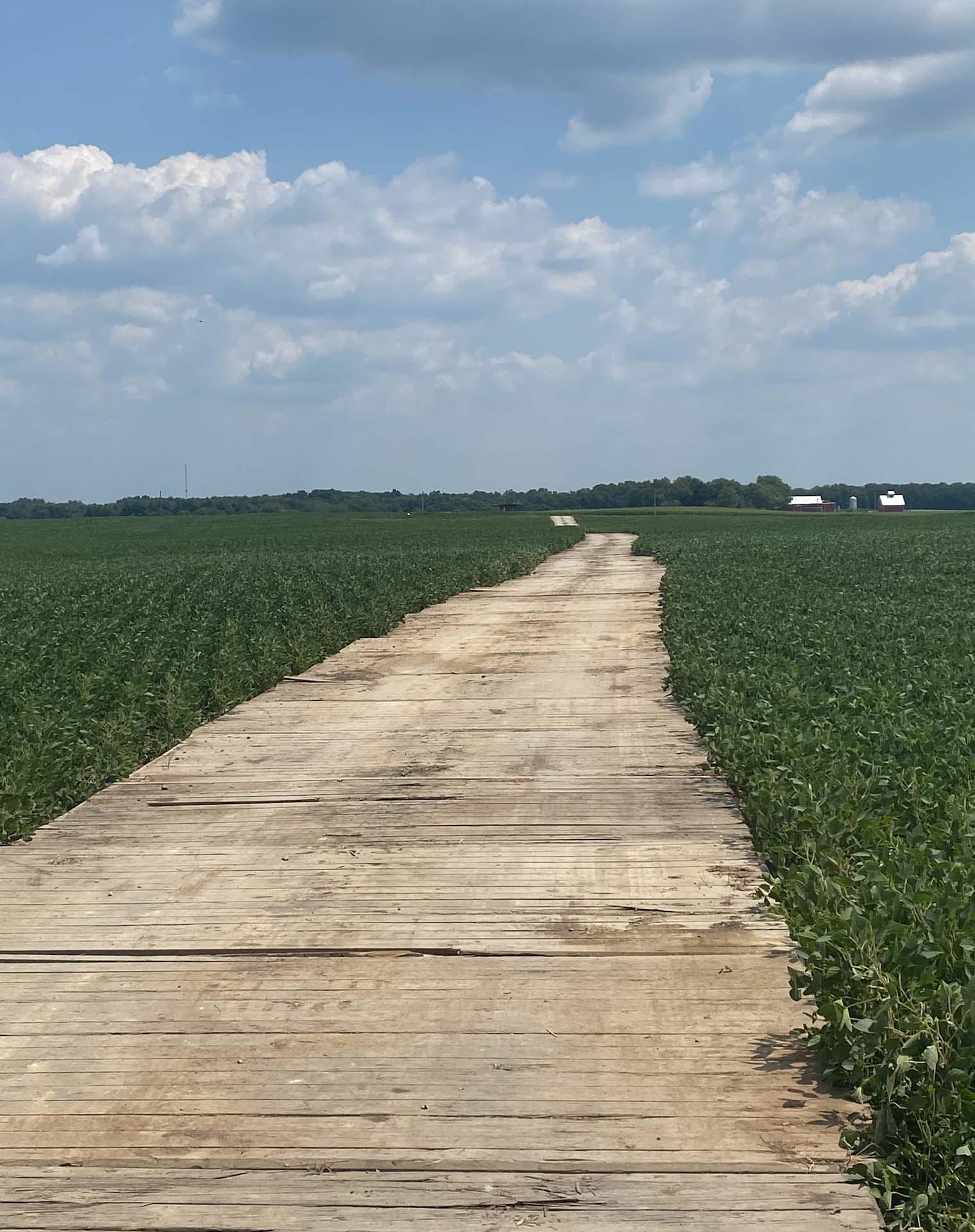
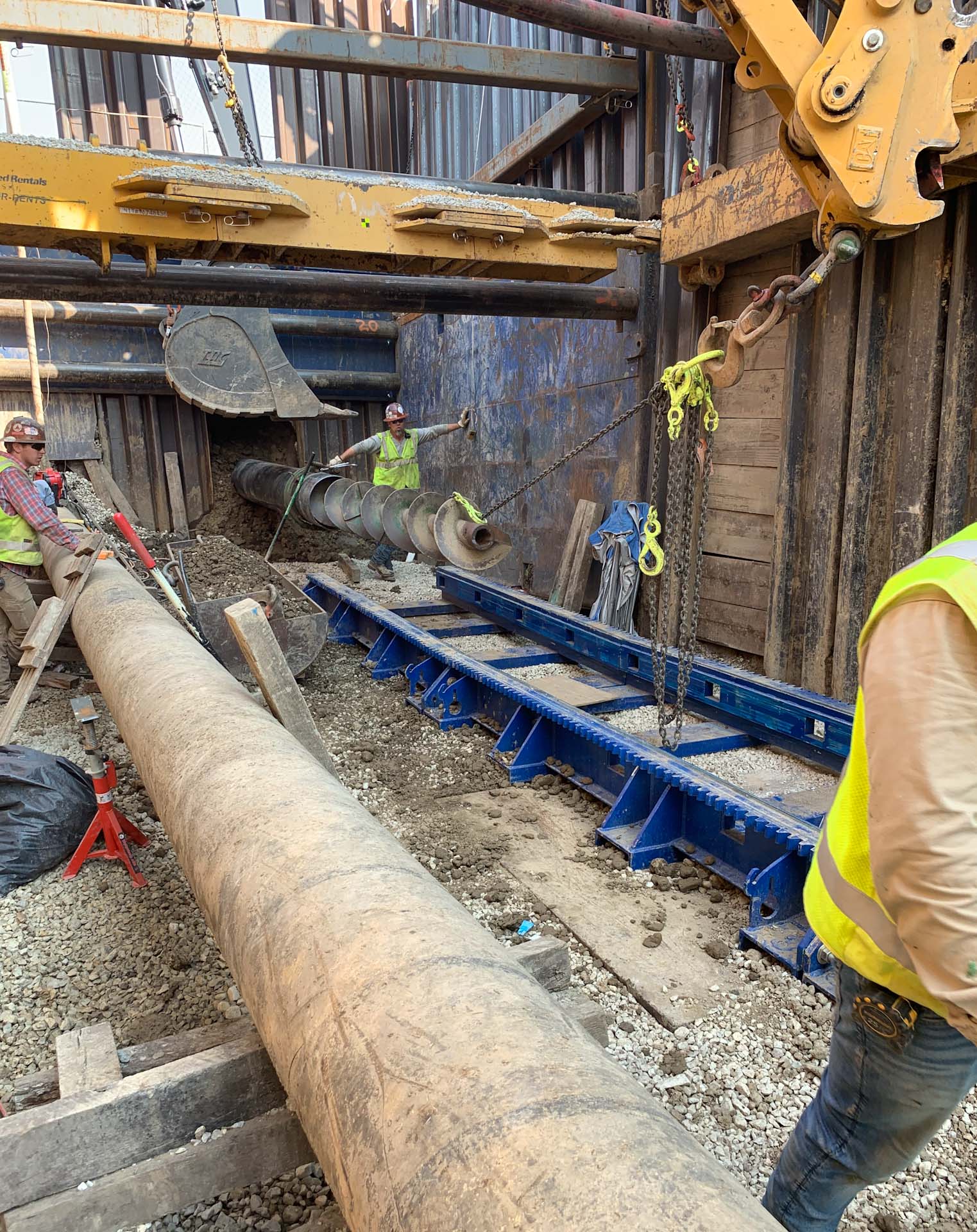
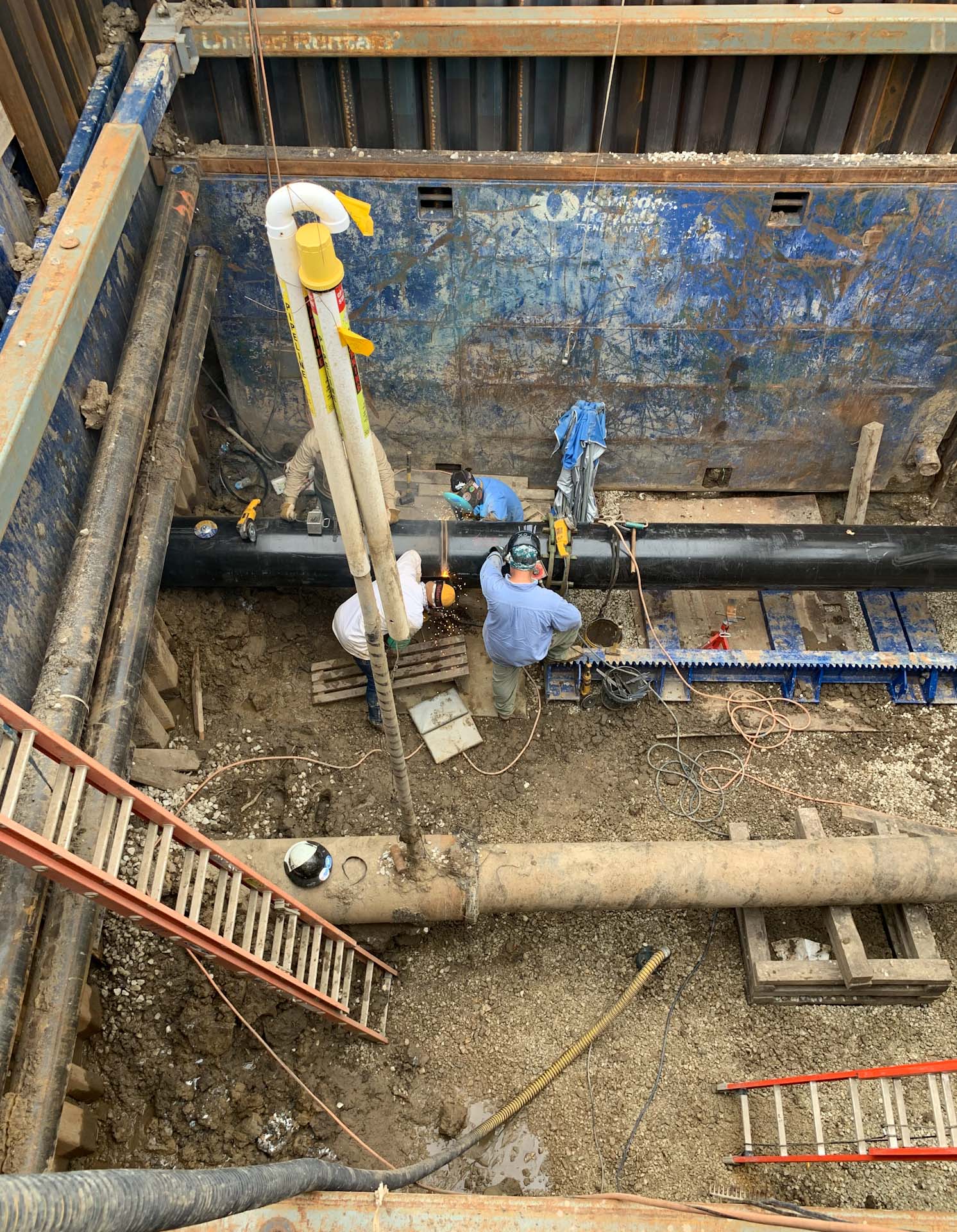
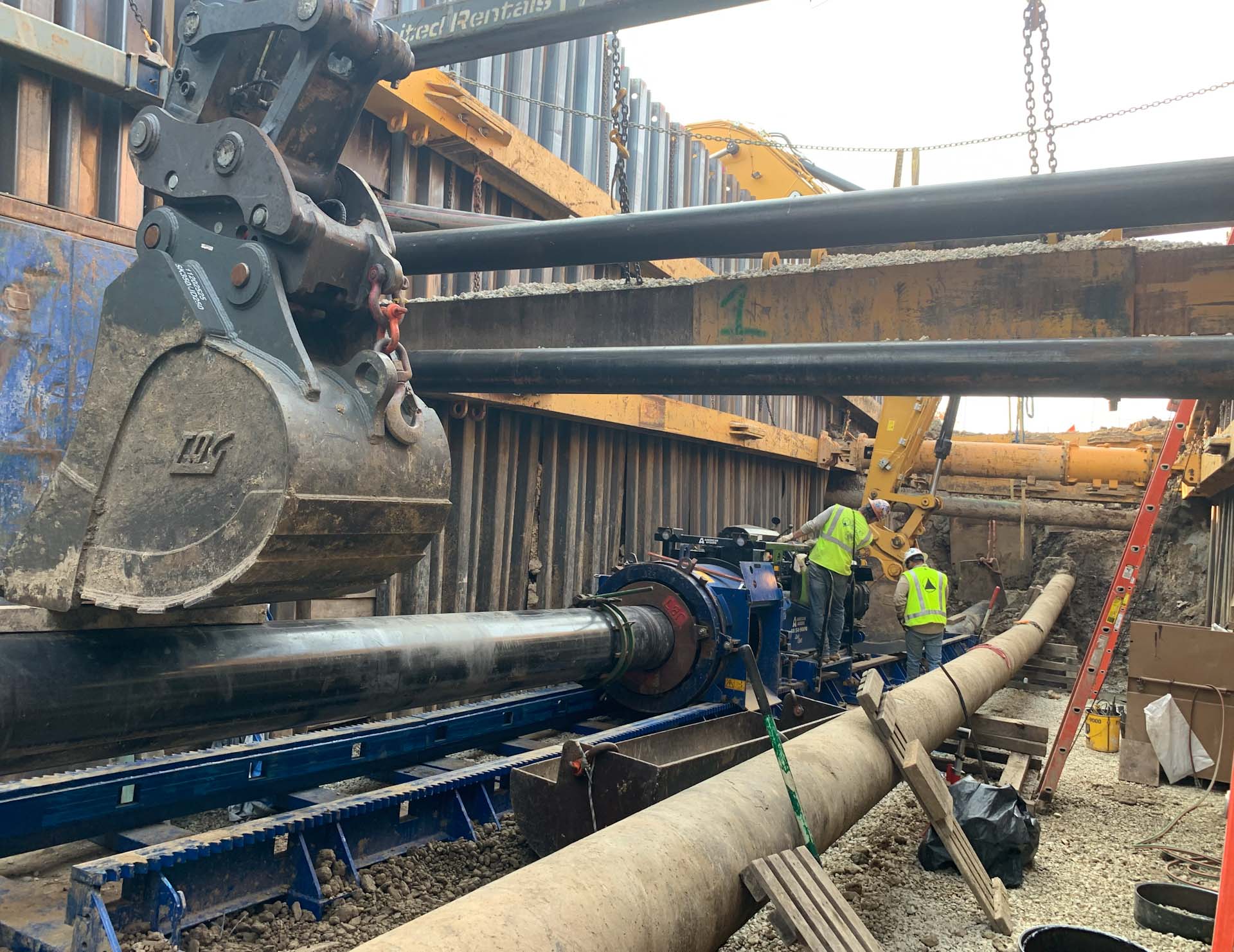
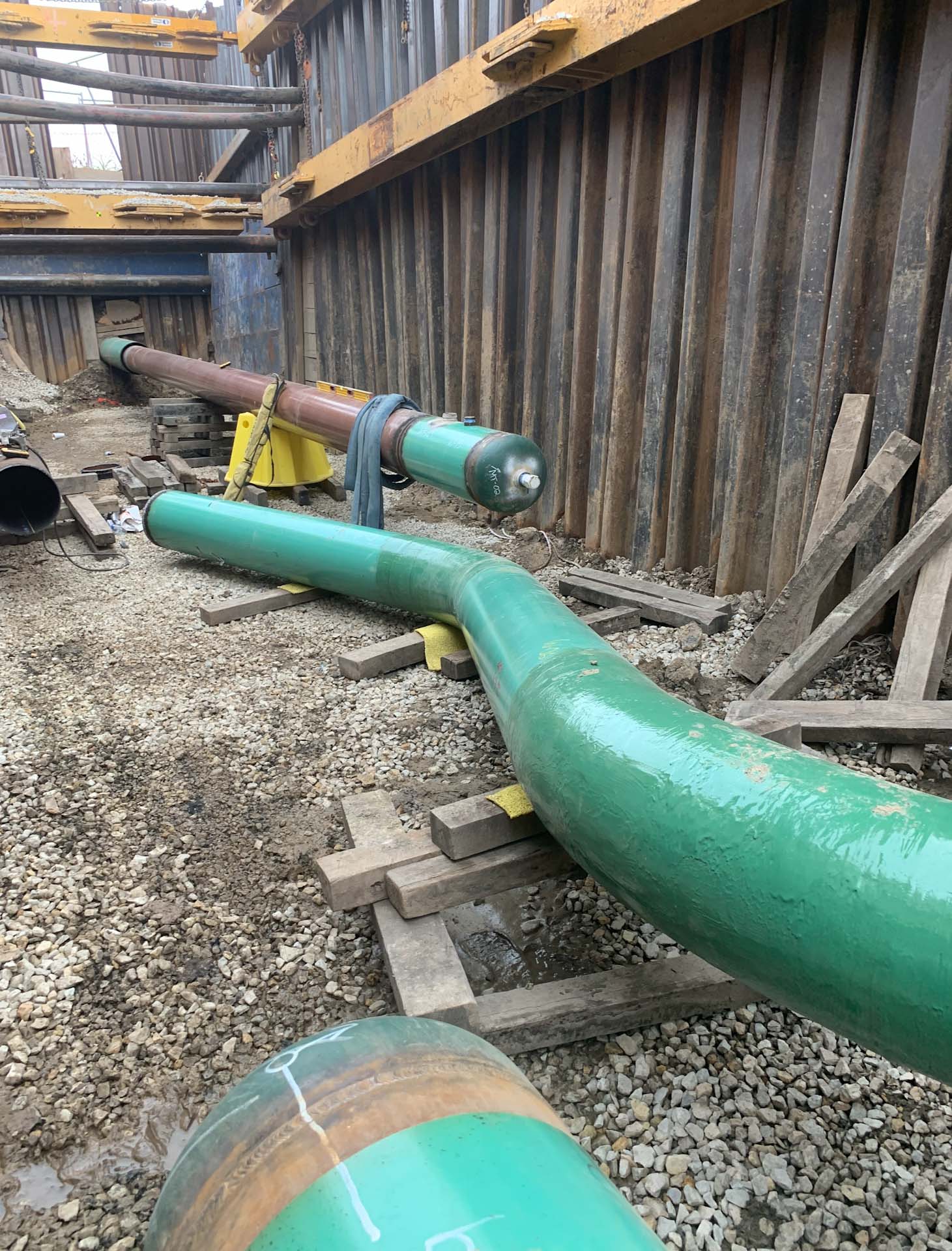
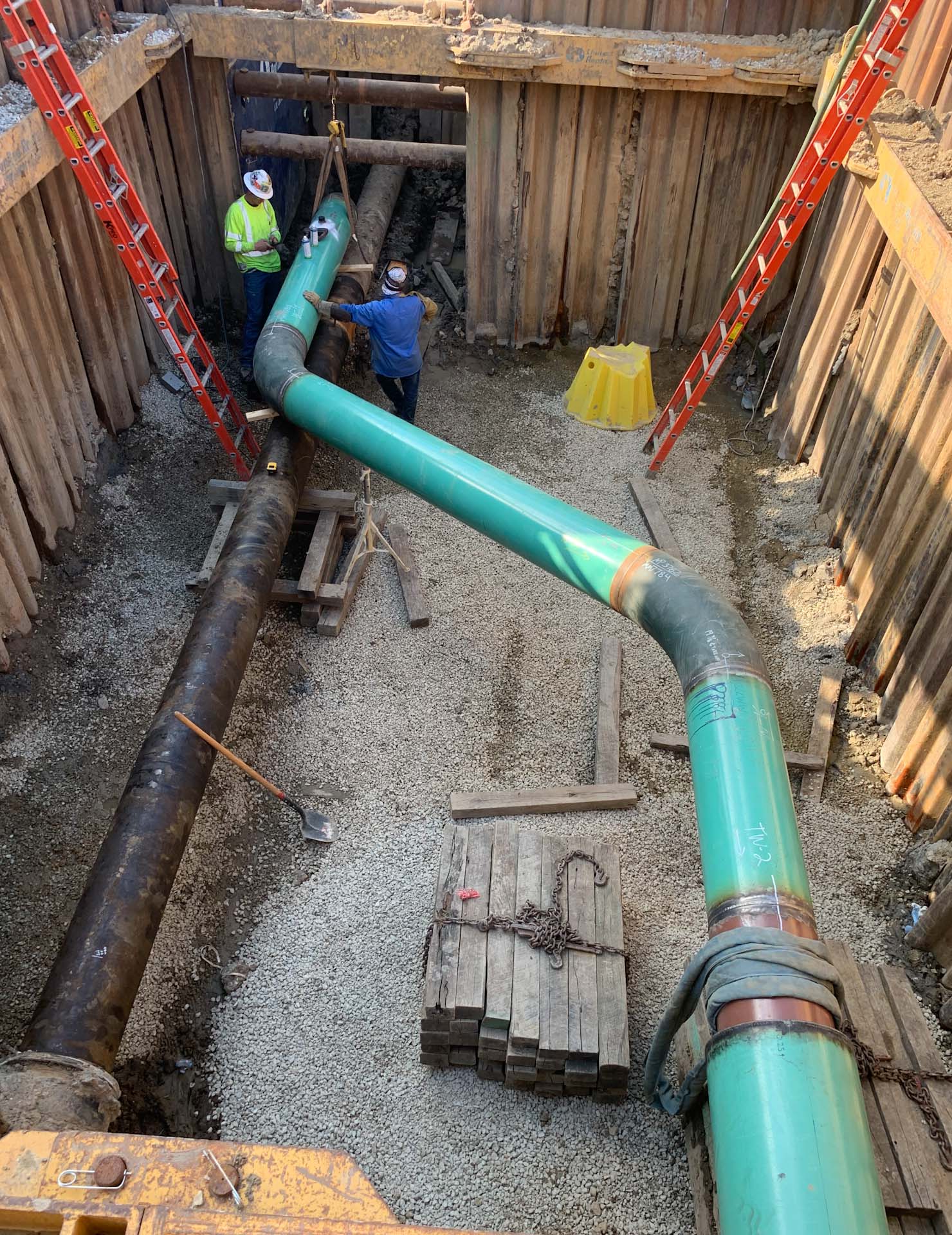
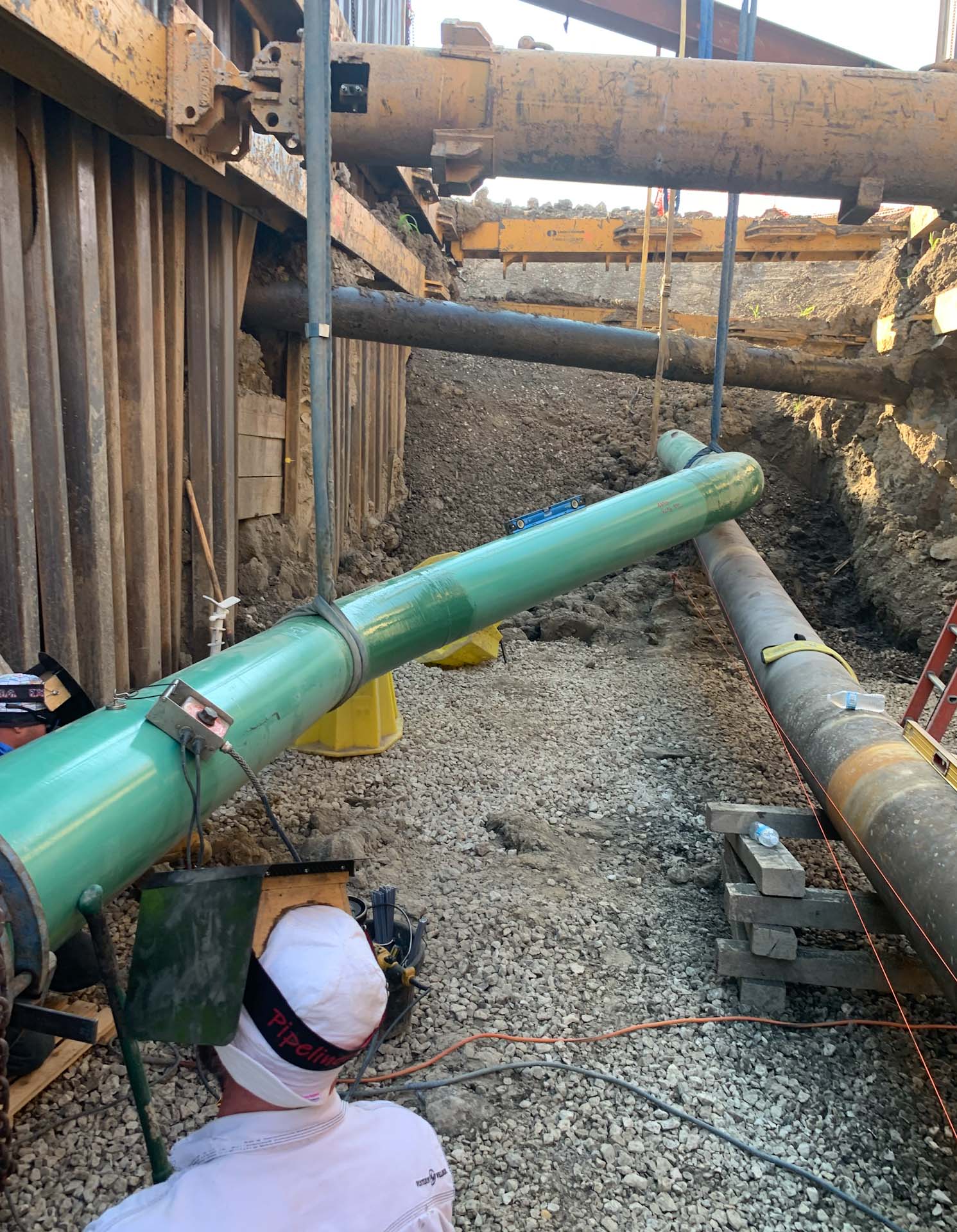
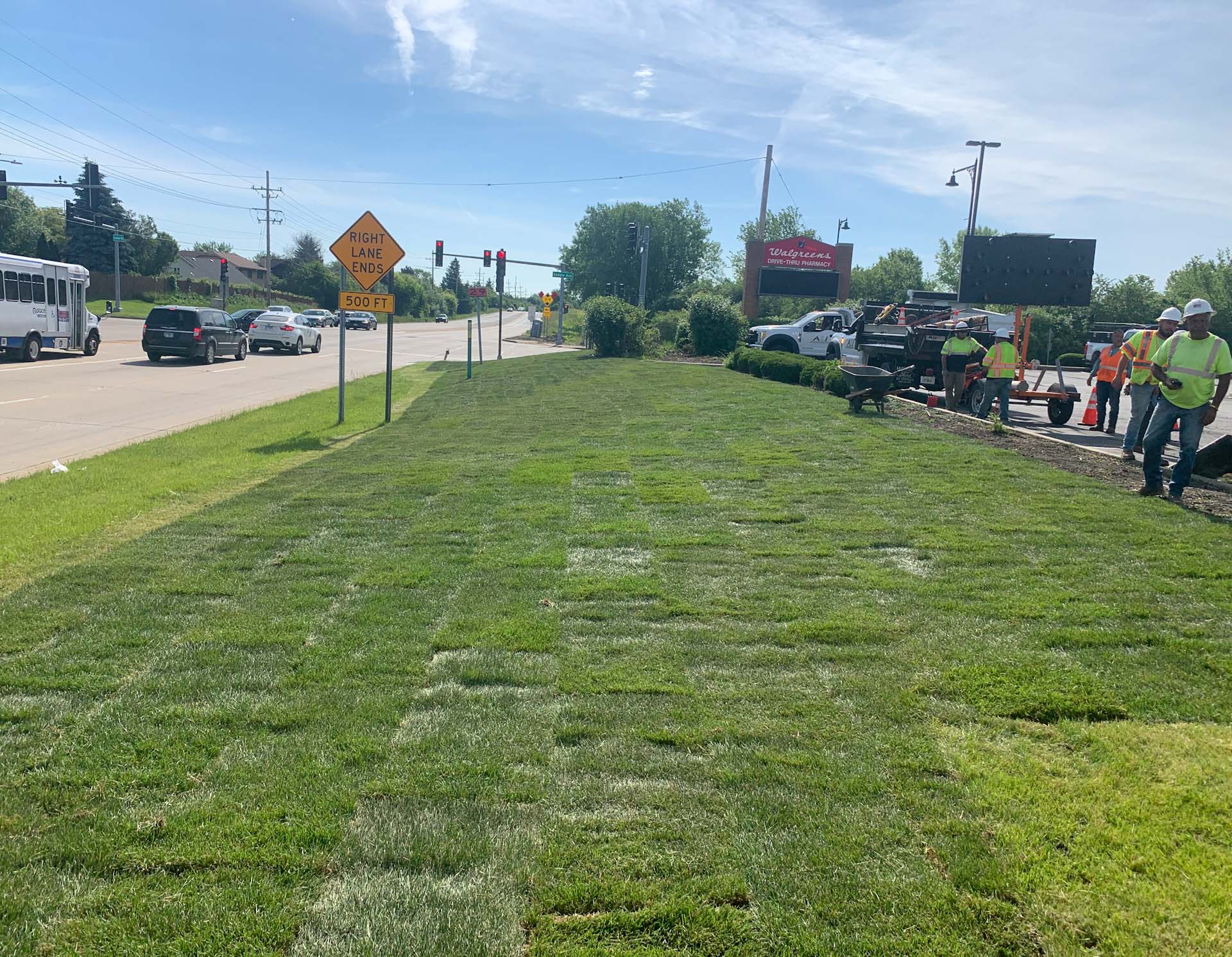
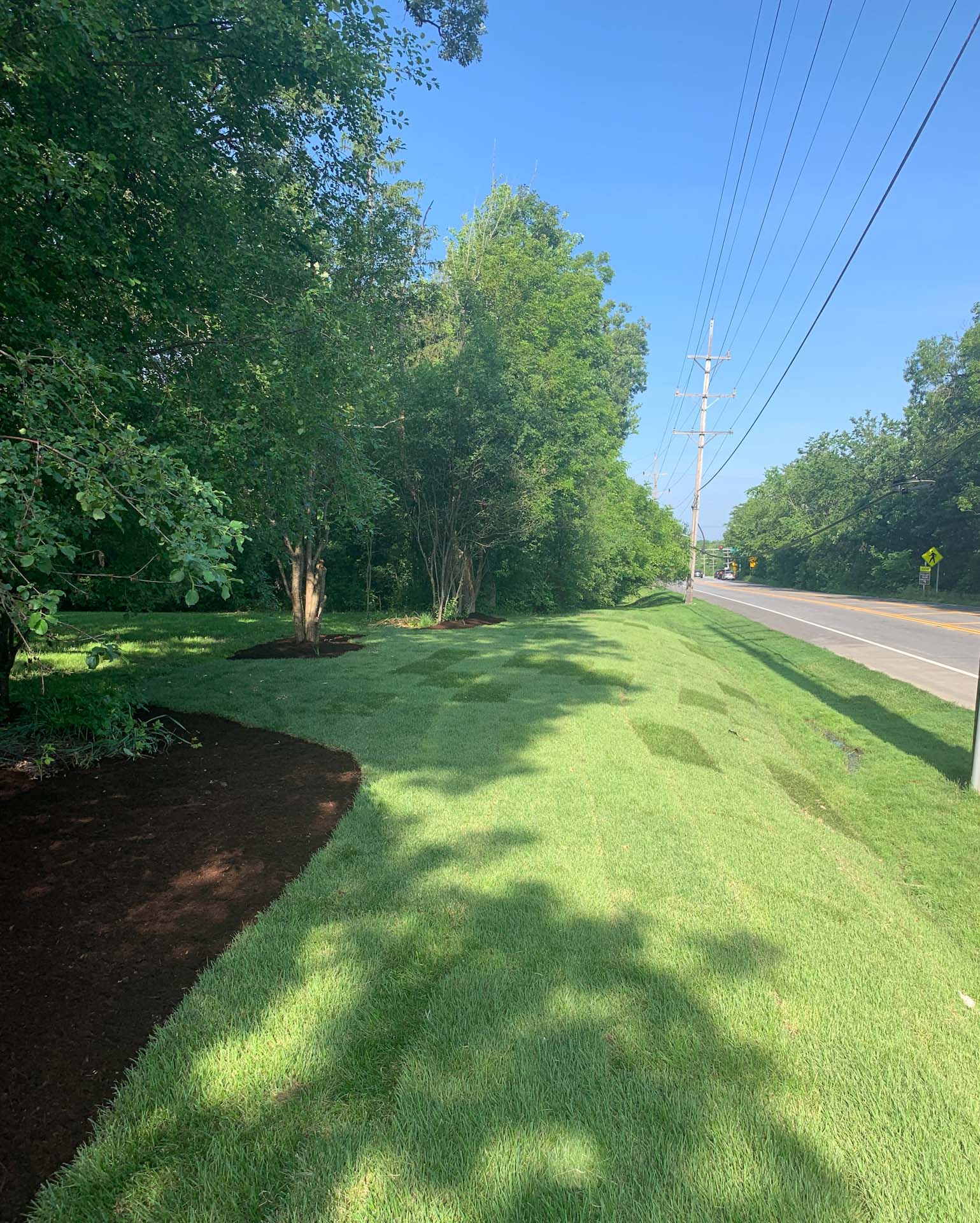
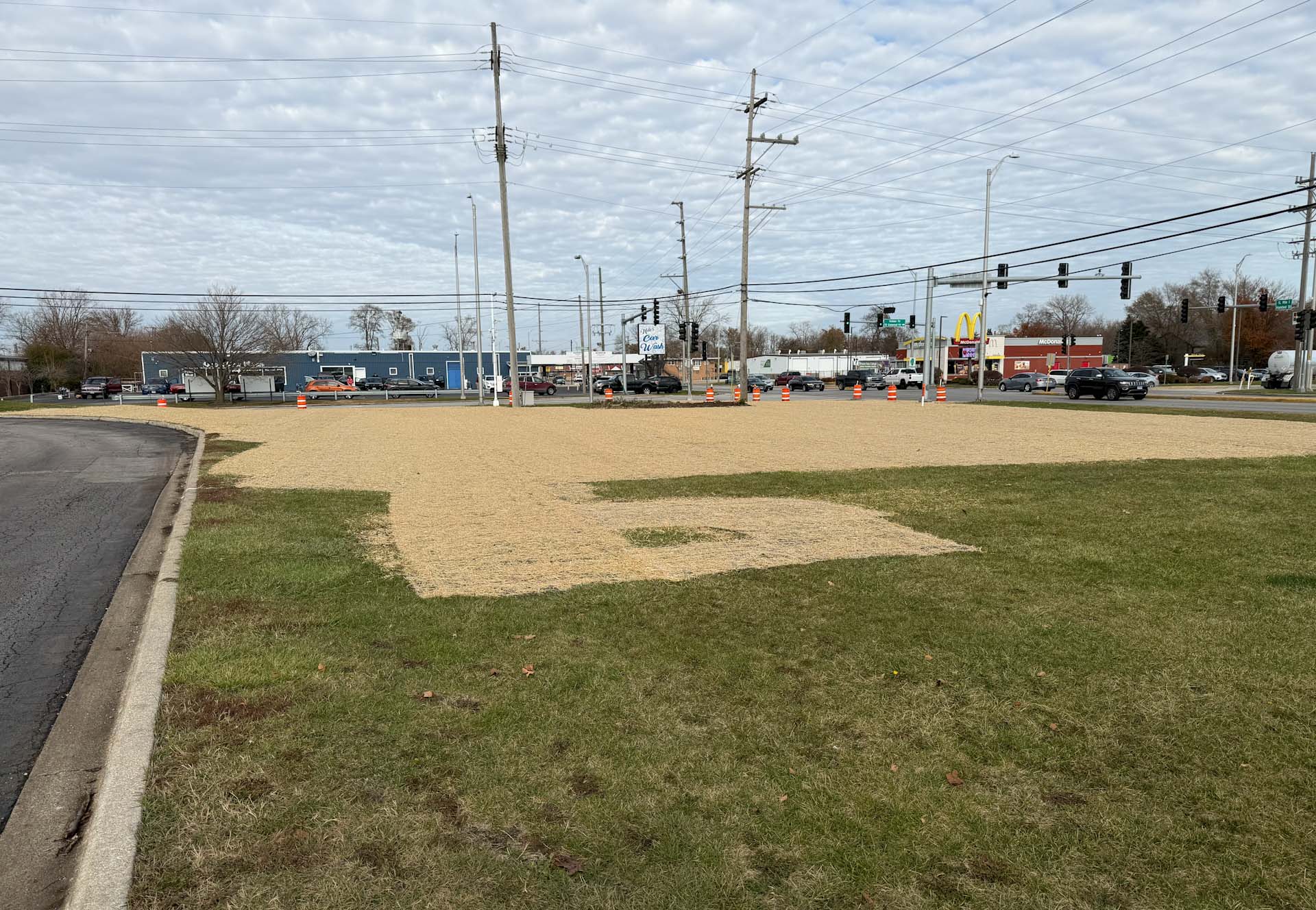
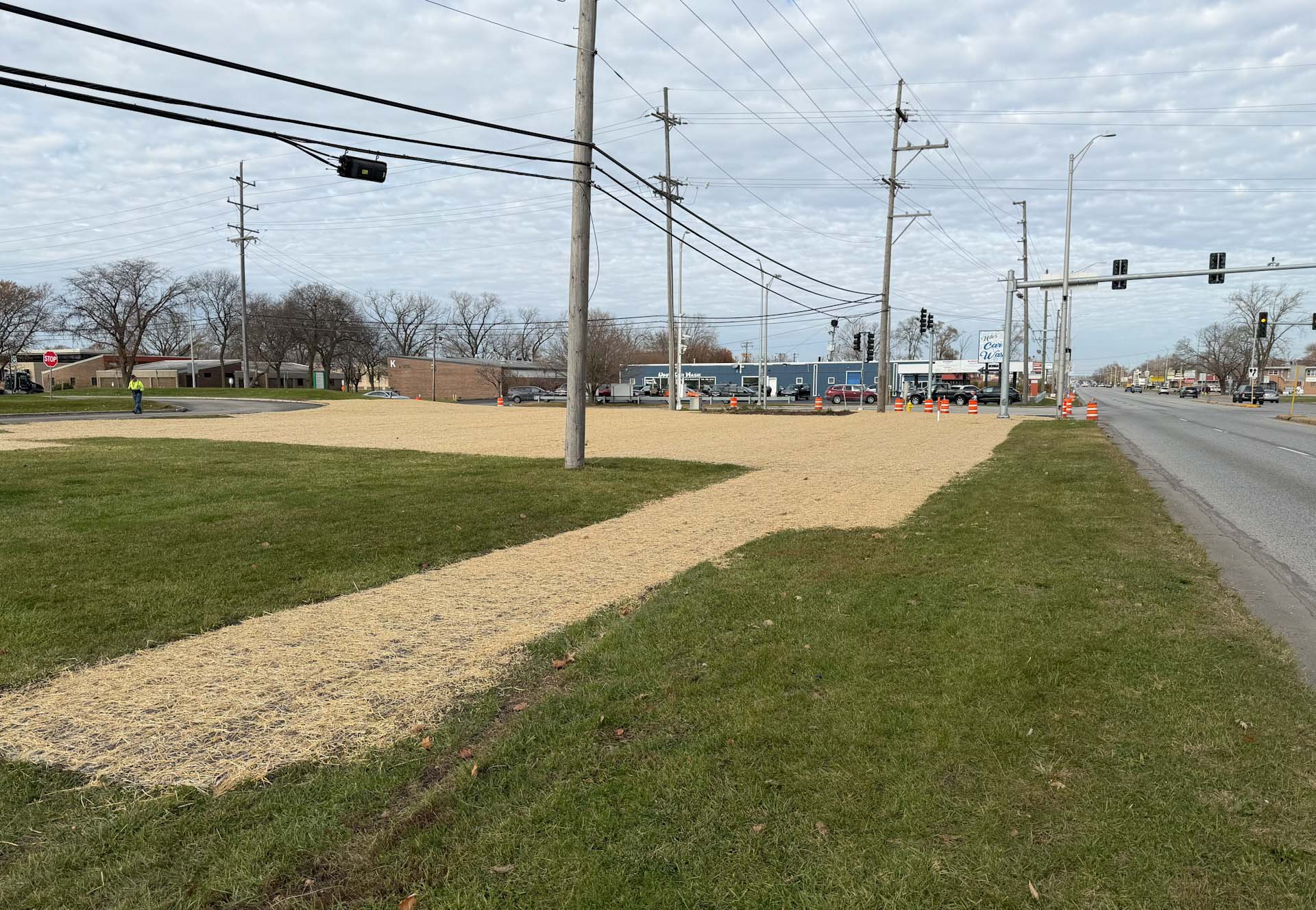
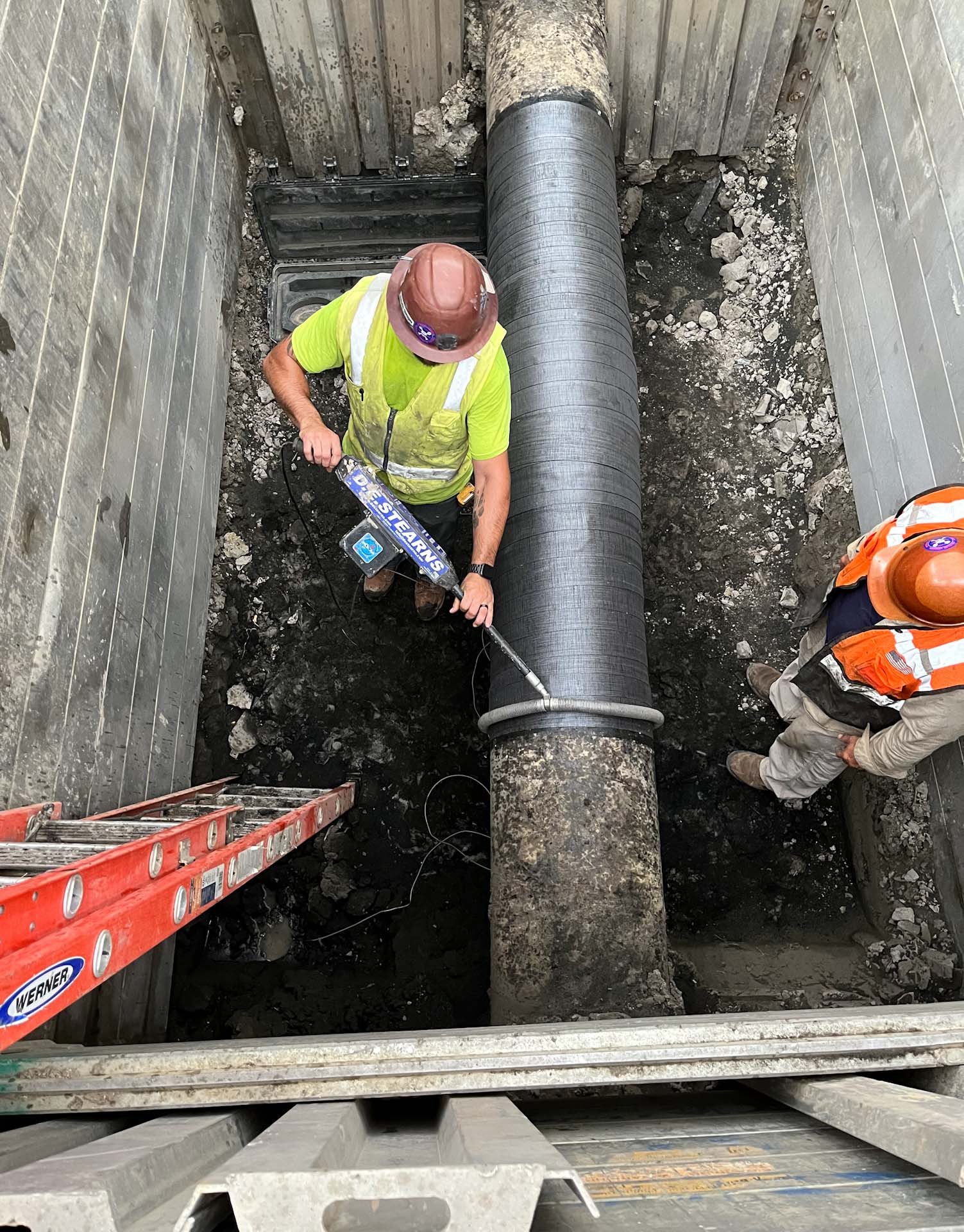
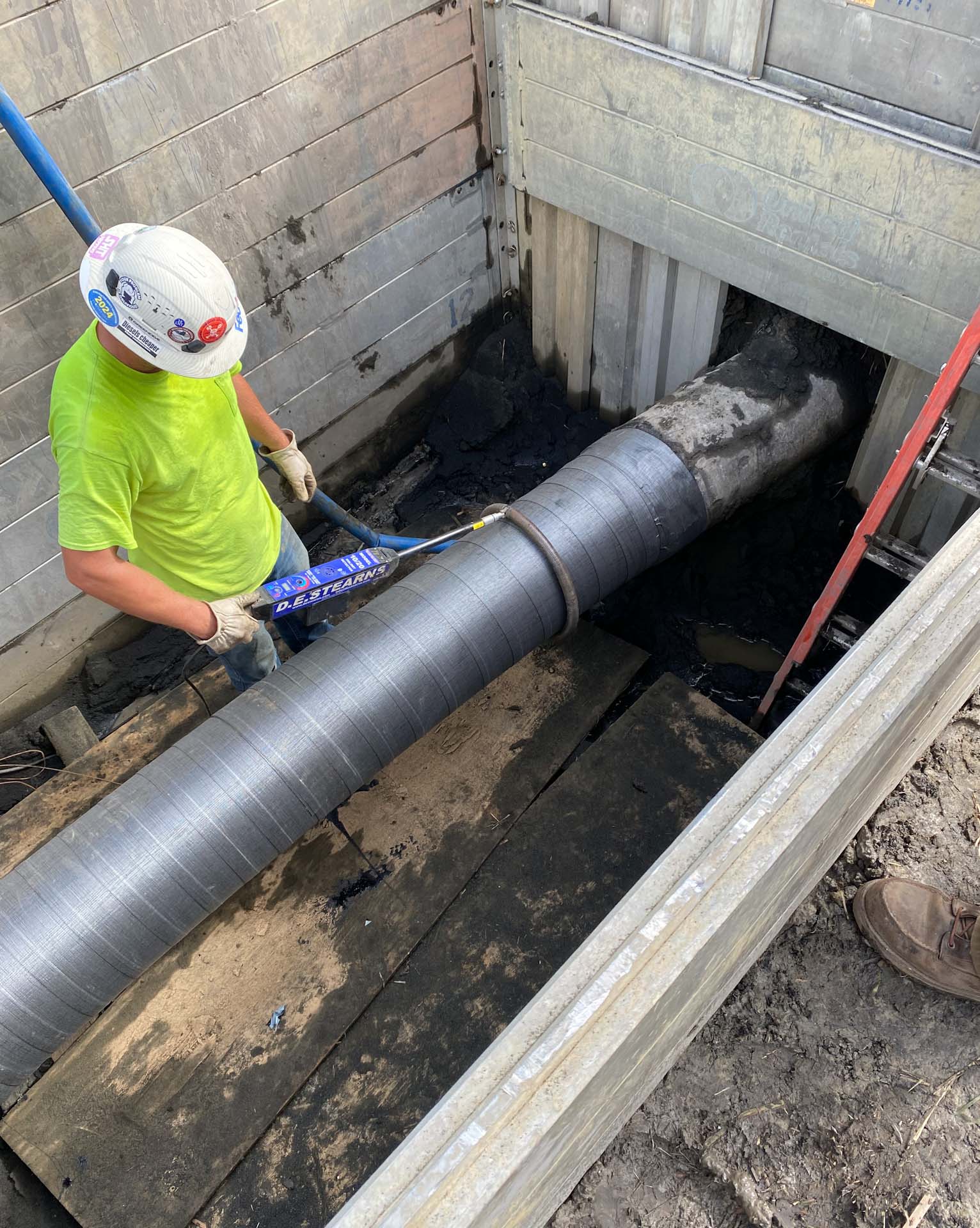
Integrity digs may be simple or complex. In a field or forest the dig will be straightforward, consisting of an excavation to expose the pipe, removal of the existing coating, sandblasting, evaluation of the anomaly, NDE of the girth welds, fitting the sleeve, welding, NDT on the weld seams, re-coating or wrapping, backfilling and restoration. If the dig is under a highway, railroad, water body or marsh, the complexity increases.
Complex digs may require saw cutting concrete, deep shoring, de-watering, bladder dams, or other techniques to allow safe access to the pipeline. Anomalies near the zone of influence of railroad ballast may require engineered shoring to withstand the loads imposed by freight trains traveling at speed.
MWC project managers look at every factor within a package of digs and sort out the priority, permit requirements, access permissions, depth of pipe type of repair and restoration requirements. Digs are grouped together and ordered in ways that will create resource efficiency. This approach reduces the customer’s management time and costs. Small planning decisions add up during the execution of a dig program. Sizing the crew and equipment for the type of dig, moving welders onto a dig only when they are required, resource sharing between crews, and managing trucking to ensure minimal crew downtime between sites, saves the customer money and does not impact on the speed of the repair or quality of the work.
Quality control can also save money and function as a deterrent to problems that are not easily undone. Customers are specific about how their pipeline anomalies are documented and repaired. Every aspect is detailed and must be complied with. This includes:
- Safety plan and supervisory certification
- Shoring plan
- Environmental plans
- Construction access plan
- Traffic permit, environmental permit, County, State permits.
- Type of sleeve, dimensions, and steel
- Weld procedure
- Sand blast media, final blast color.
- Type of coating and application thickness
- Restoration plan
If any of these are missed it could delay or jeopardize the project.
A project consisting of 50 to 100 digs would have multiple crews, locates, permits, equipment requirements, and priority deadlines. The communication chain between MWC’s PM, Customer PM, field Superintendent and Foreman must be detailed and strong. To aid in communication MWC utilizes Construction View (CV). This cloud-based system stores everything project-related, in neat, accessible folders. A load of stone, an equipment sheet, a welder’s time sheet, a sand blast profile record, or the mil thickness of applied coating are contained in CV. This valuable tool eliminates time wasted searching for paperwork or photographs. For example, if NDT reveals a crack that is longer than anticipated, that information can be communicated to the PM and customer in near real time. Often, a decision can be made in minutes rather than hours.
MWC’s experience with integrity digs is measured in decades and is comprehensive enough to perform Hydrostatic Testing over miles of pipeline, full encirclement “A” and “B” sleeves, composite wraps, and cut outs. MWC’s integrity work spans all types of environments and soil types including environmentally sensitive areas and High Consequence Areas (HCA’s). Midwestern actively maintains certifications & training for our crews and performance qualifications for our welders, ensuring that we have competent, qualified crews ready when needed.
For a competent integrity project contractor that delivers comprehensive service, consider Midwestern Contractors. Your project will be managed and executed to the highest standards and executed safely.