
Multiple trades, top-notch project management combine to form a turnkey solution for gas storage field maintenance
Maintaining Gas Storage Fields
Maintaining Gas Storage Fields
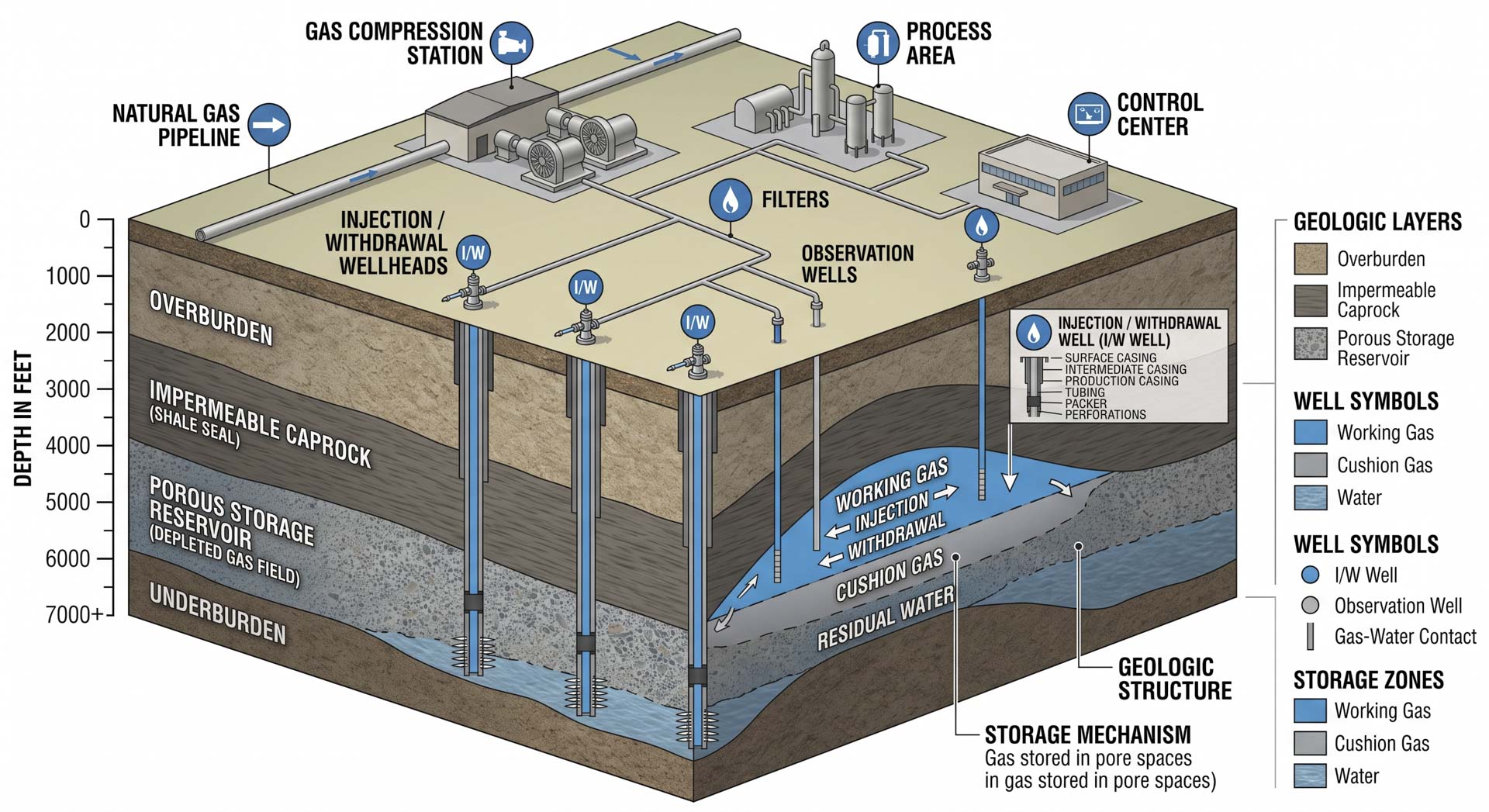
Underground natural gas storage fields are complex geological and mechanical systems that provide critical energy reliability for millions of people. Often mistakenly referred to as "caverns," these high-pressure storage facilities are specific geologic formations—typically a salt dome or sandstone deposit capped by an impermeable layer of limestone. Reaching depths of 5,000 feet or more and spanning up to 20 miles across the surface, these fields are essential for supplying cities during peak winter heating demands.
Maintaining these massive underground reservoirs is a never-ending, highly technical process. Here is a profile of how Midwestern Contractors (MWC) leverages over 50 years of experience to manage and maintain these critical infrastructure assets.
The Challenge of Brine Displacement
Deep salt and sandstone formations naturally contain the corrosive brine of fossil oceans. To store natural gas, operators inject it under high pressure, which displaces the brine. As long as the pressure remains high, the brine stays displaced.
However, this corrosive salt brine can intermix with the stored gas. When natural gas is withdrawn for use, some of the brine inevitably comes with it. This dynamic creates a continuous need for rigorous maintenance across the entire facility footprint.
Turnkey Maintenance Capabilities
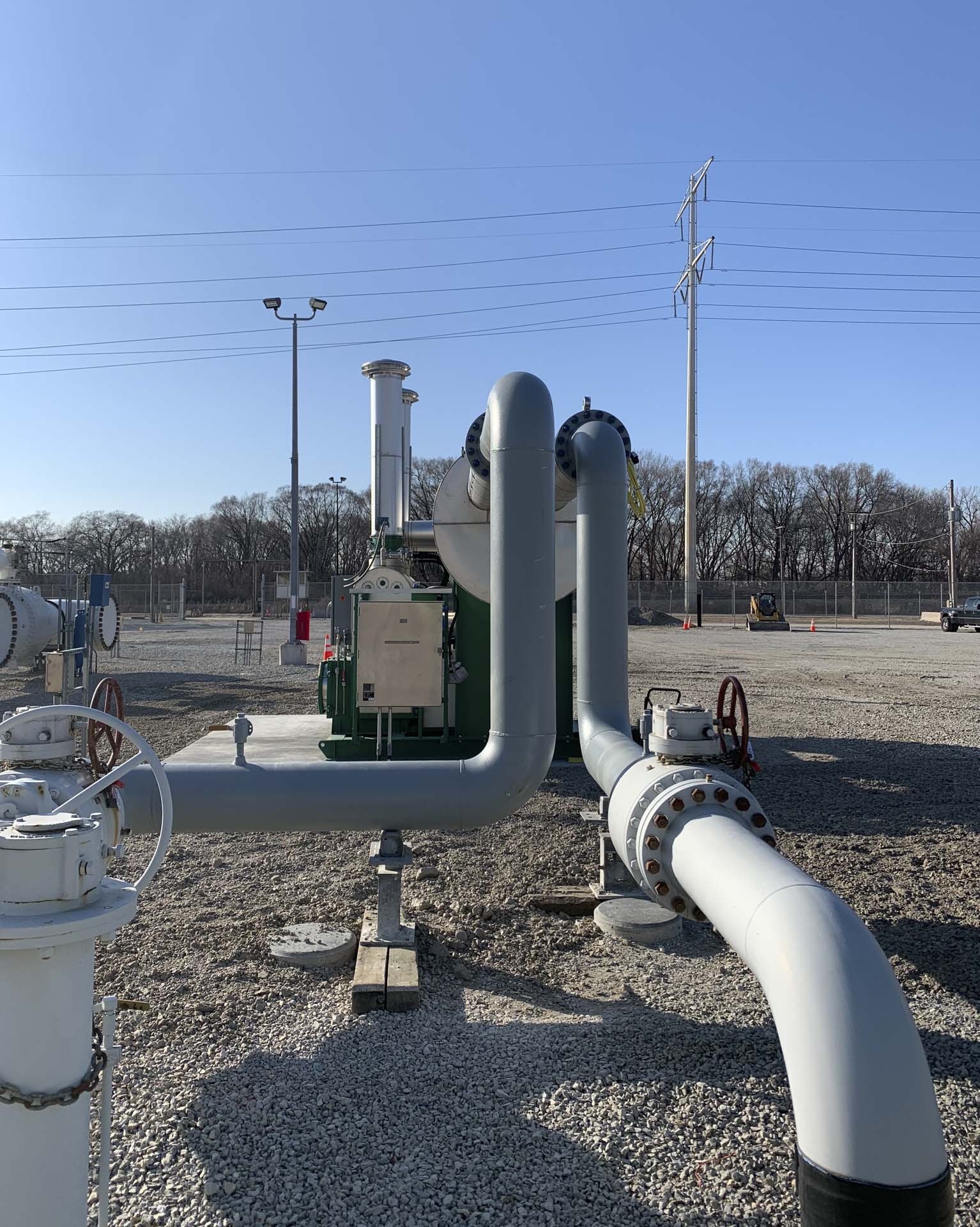
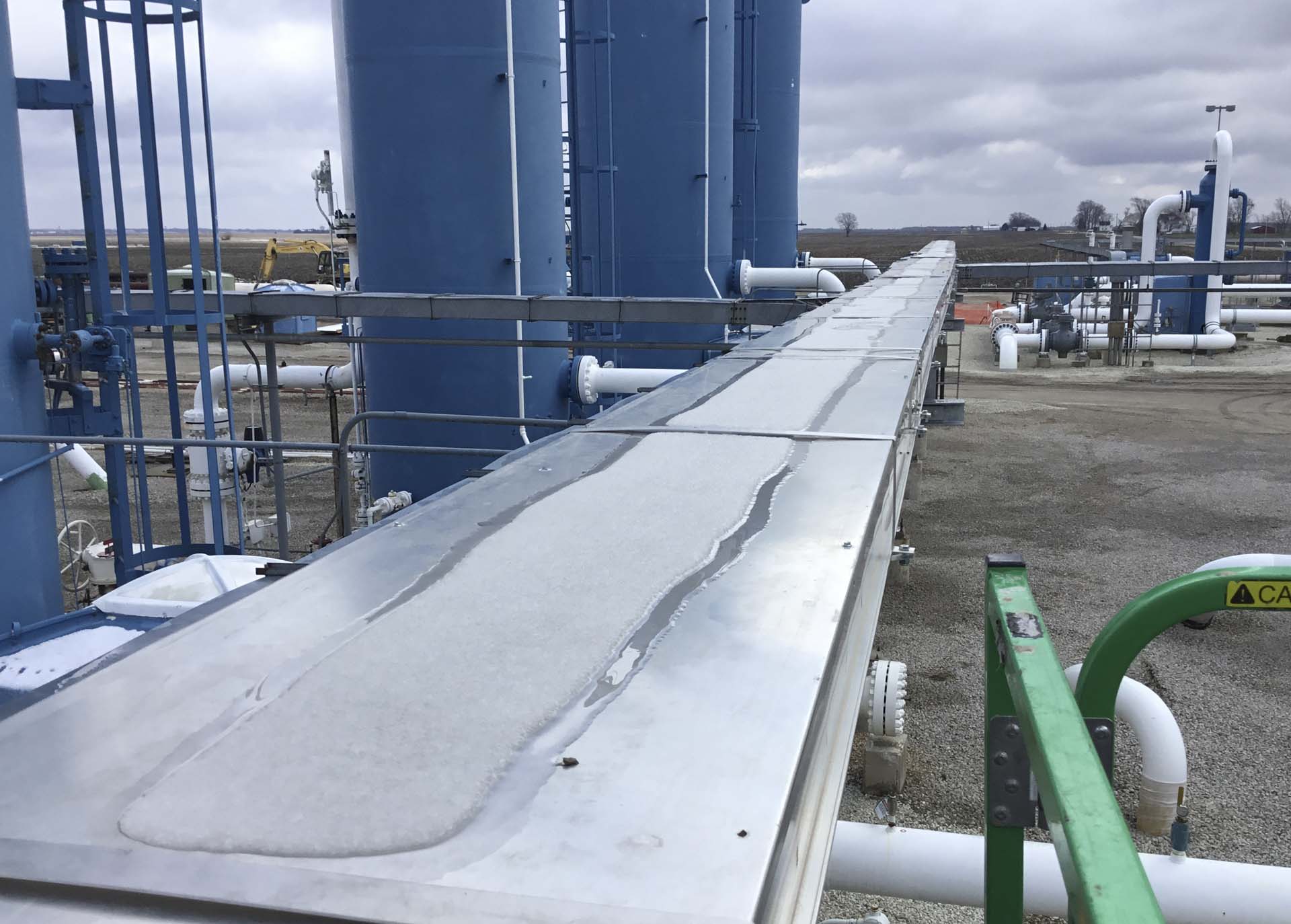
Because maintenance in gas storage fields is grouped by equipment function, operators require contractors with a diverse array of specialized skills. Midwestern Contractors delivers Turnkey project execution by self-performing critical maintenance across the following areas:
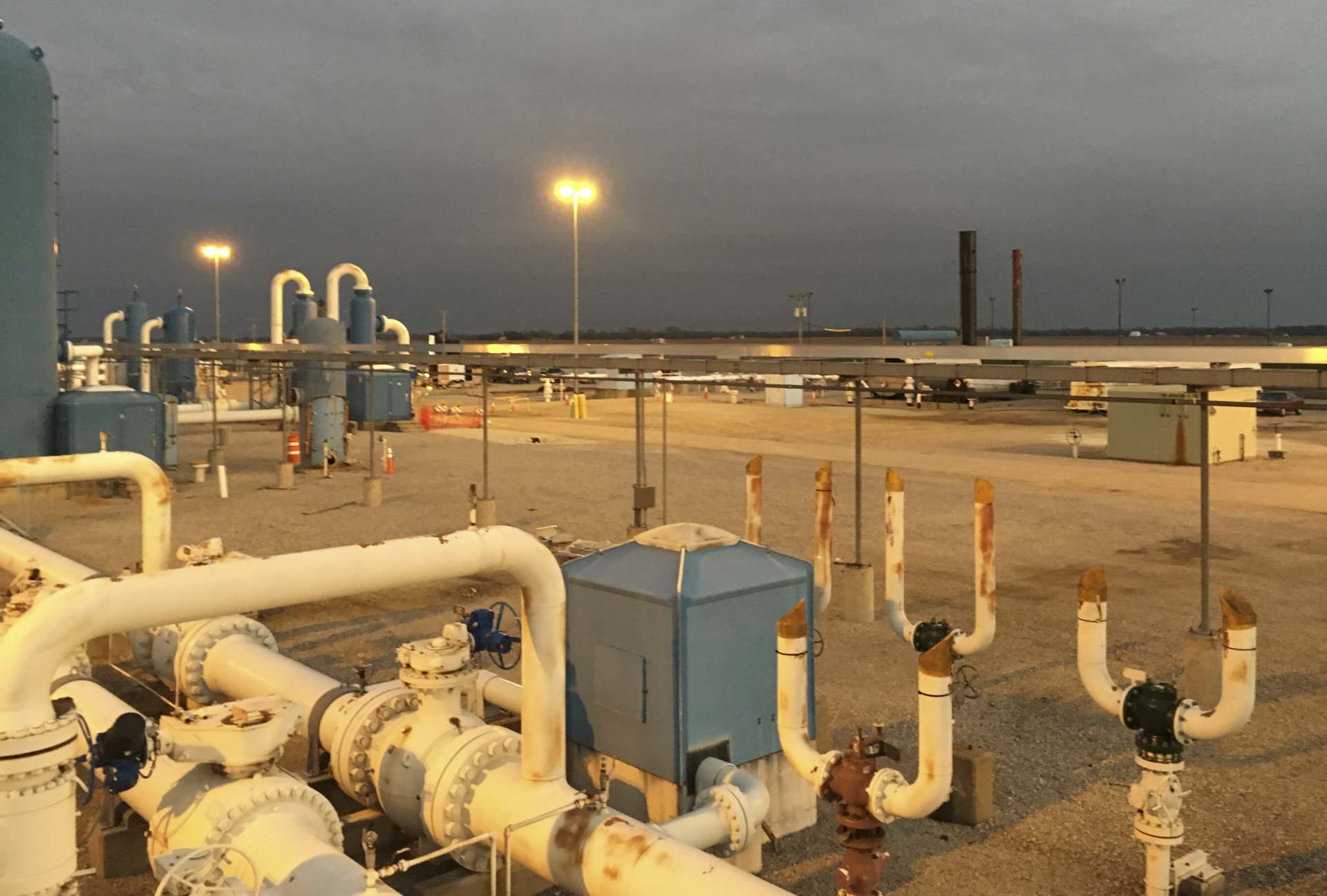
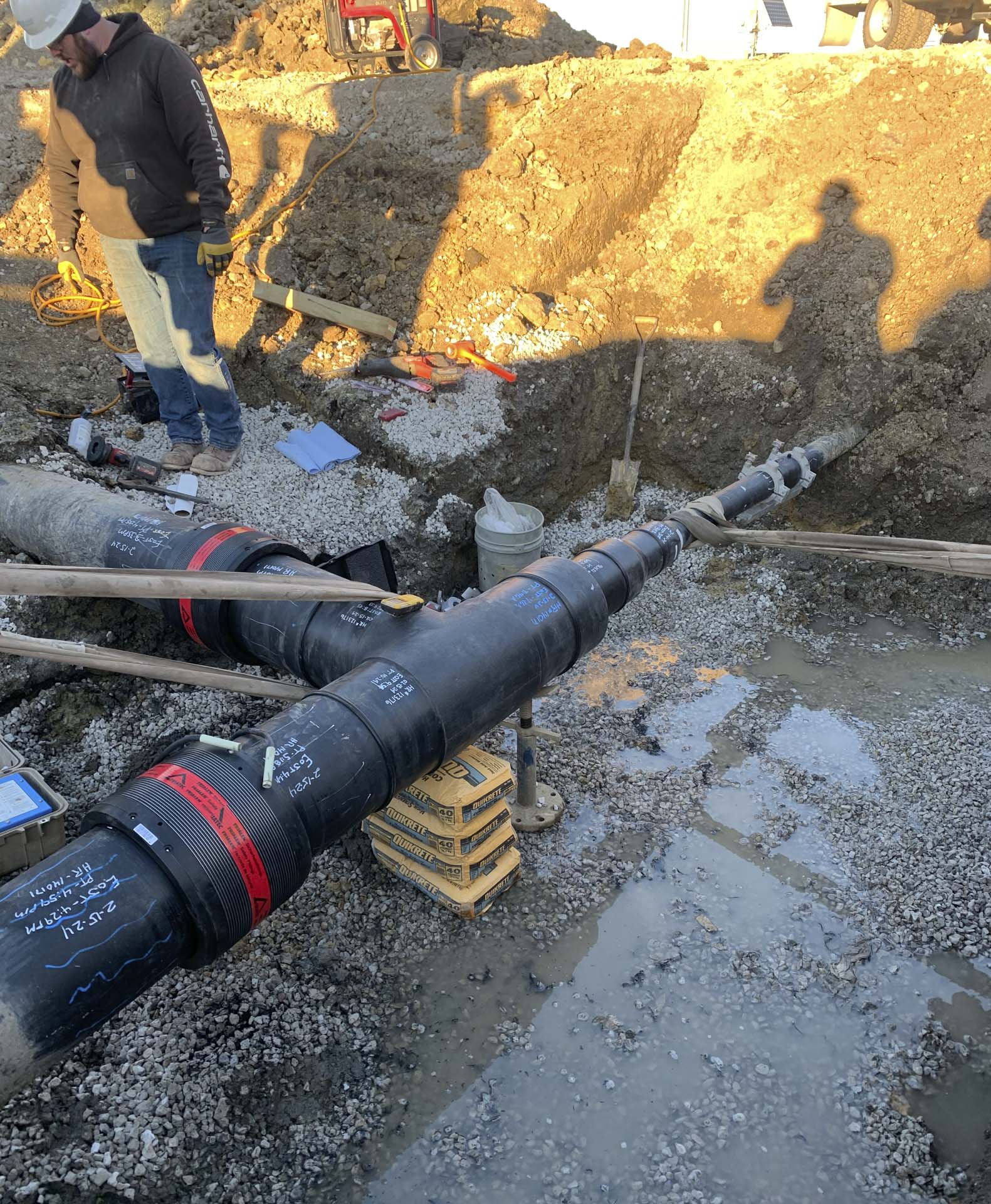
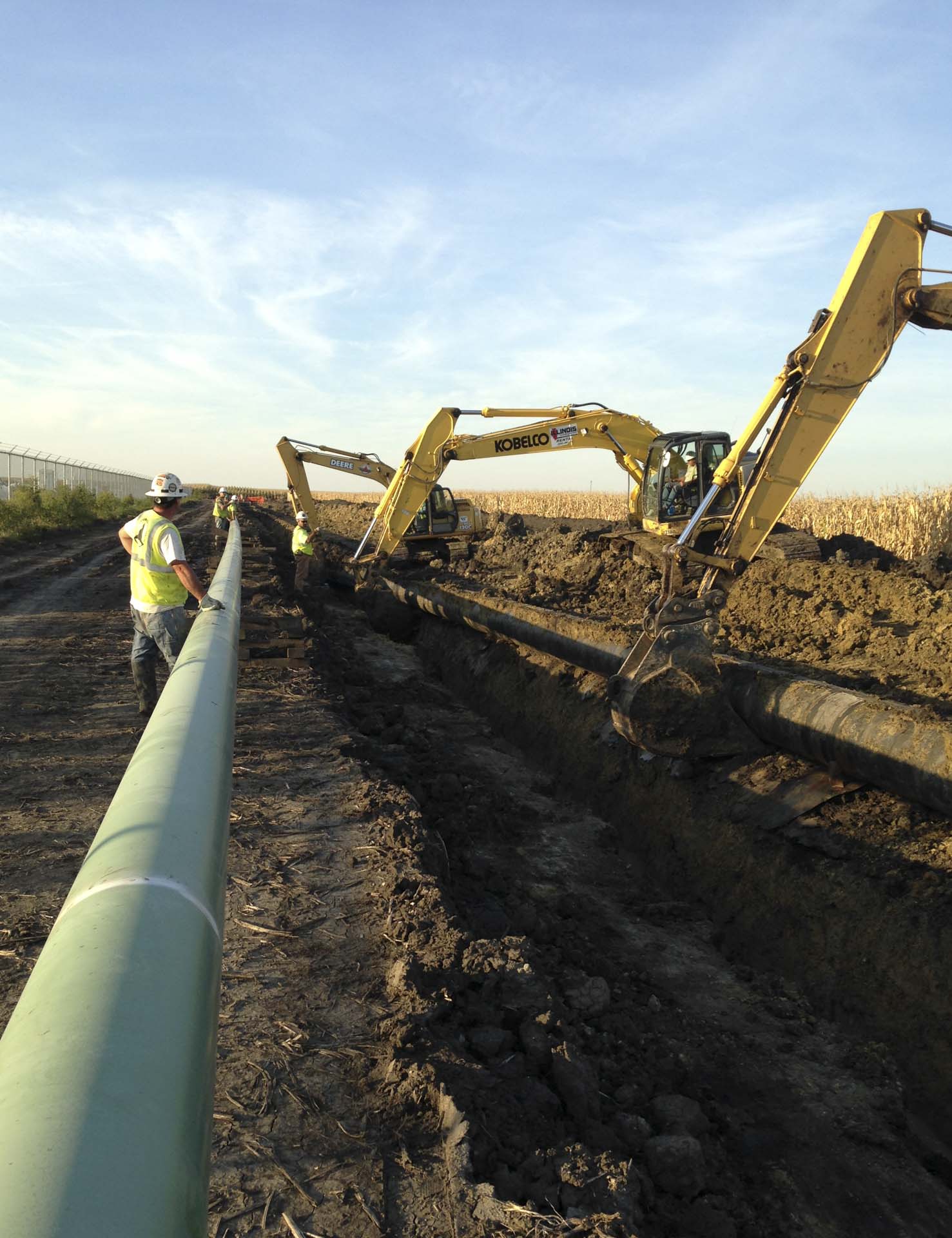
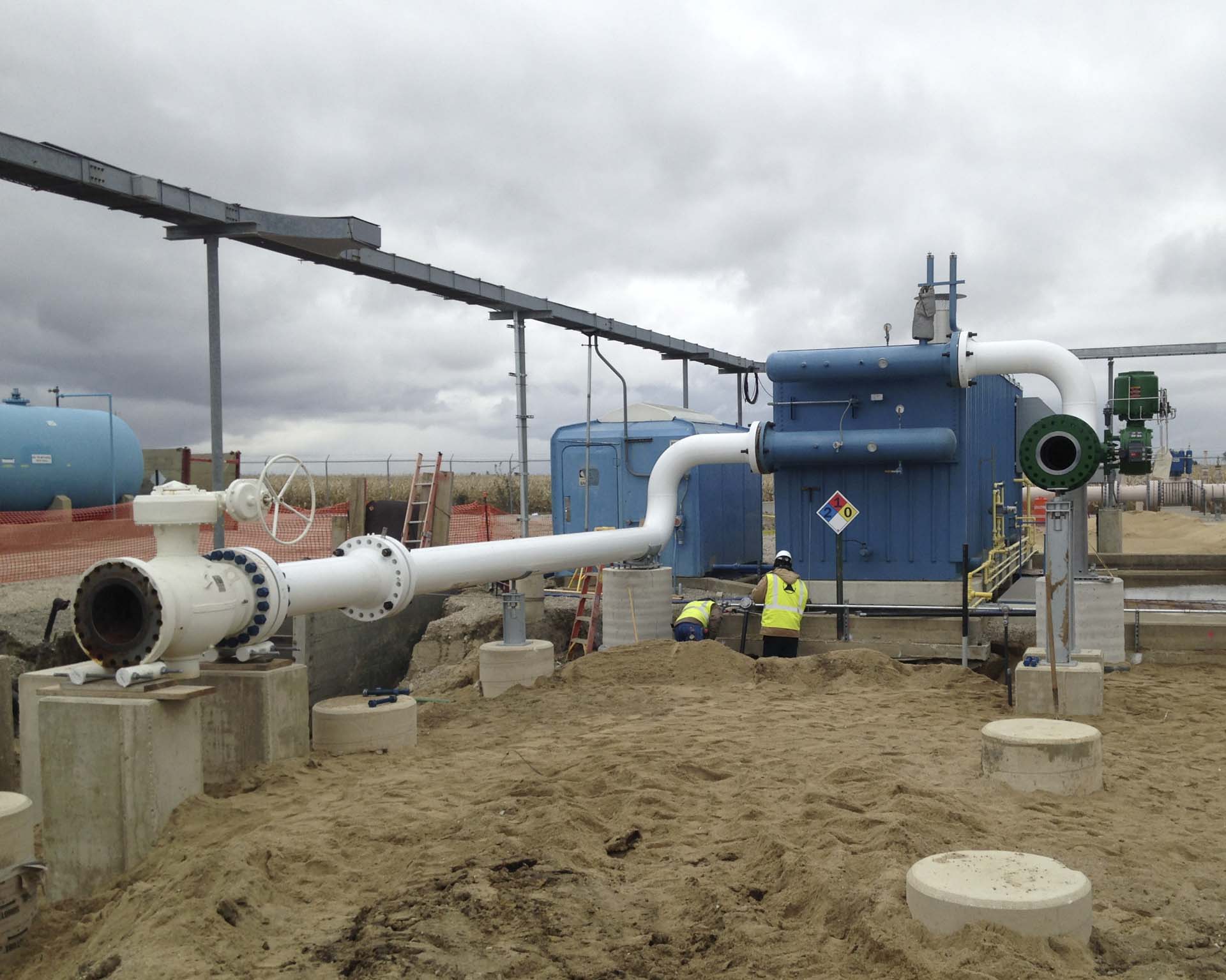
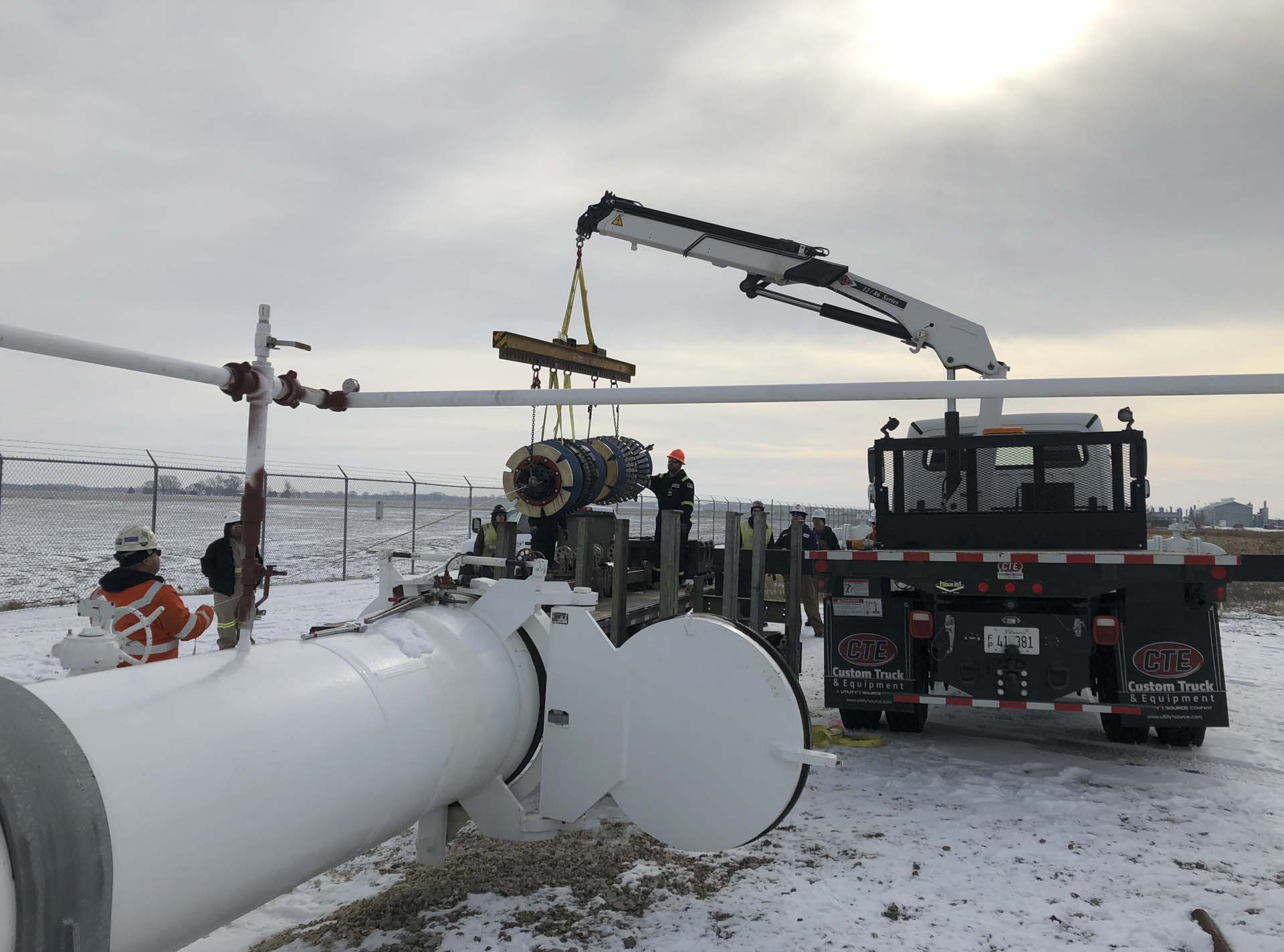
- Piping Systems: Gathering lines, brine water lines, and gas distribution piping.
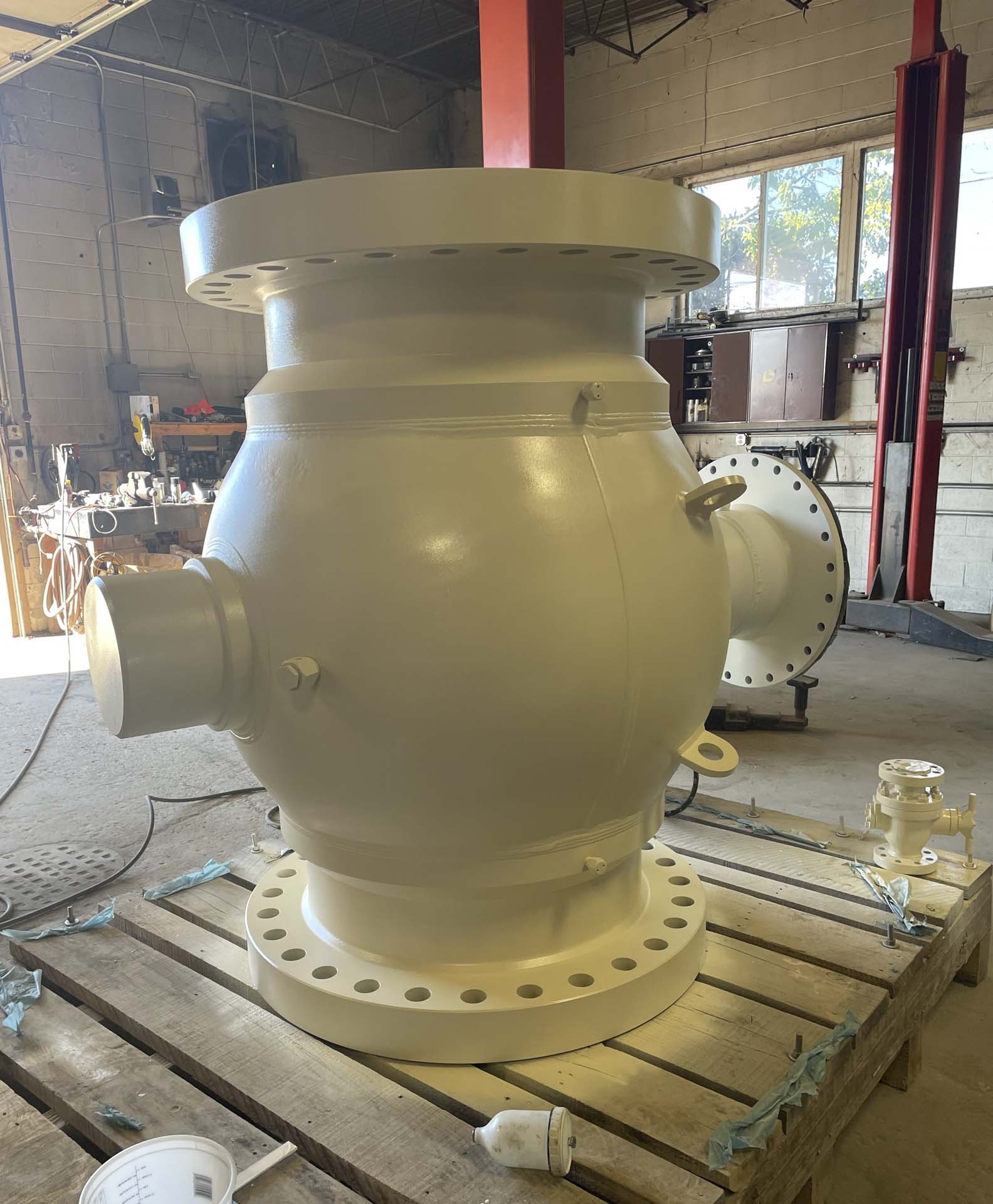
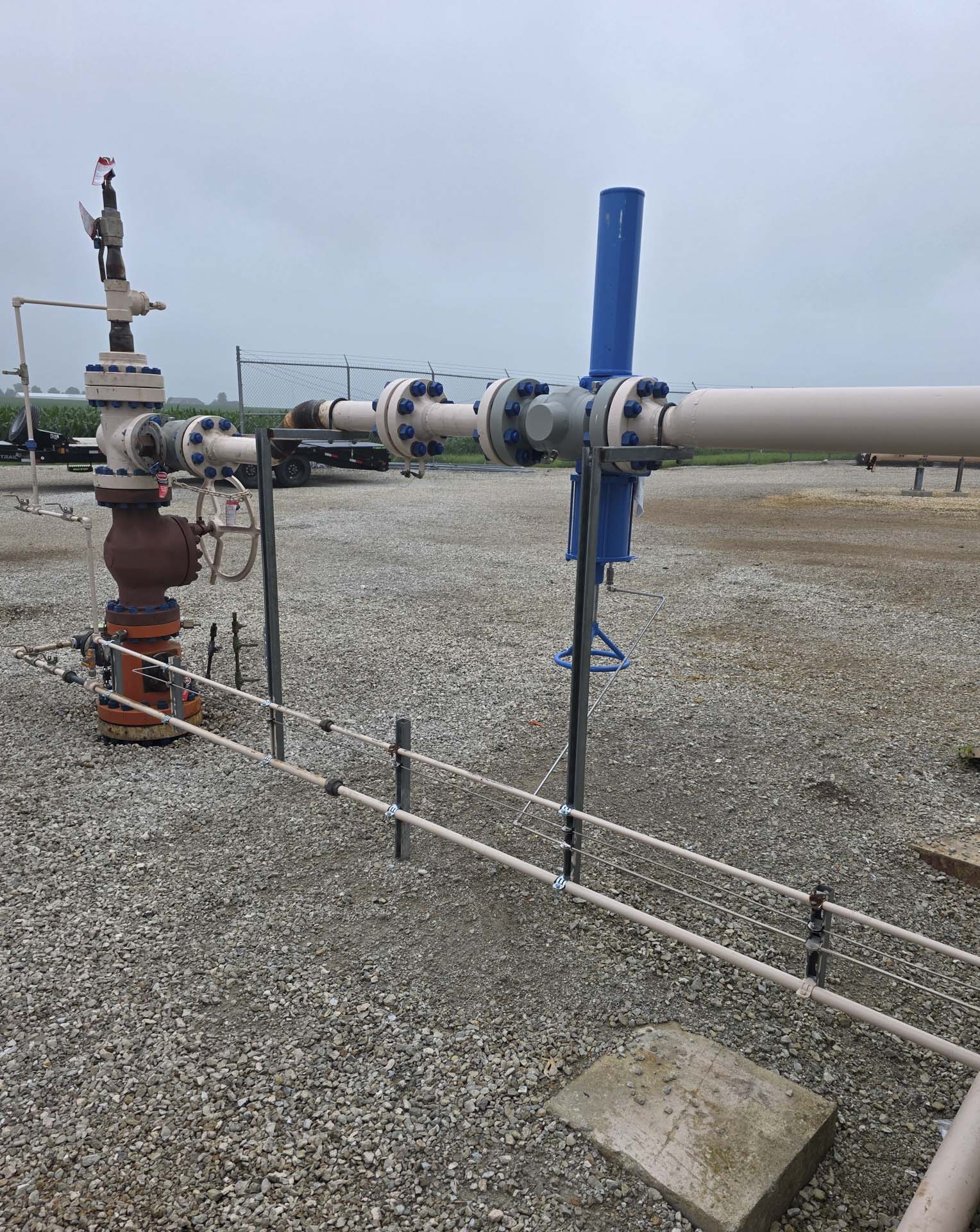
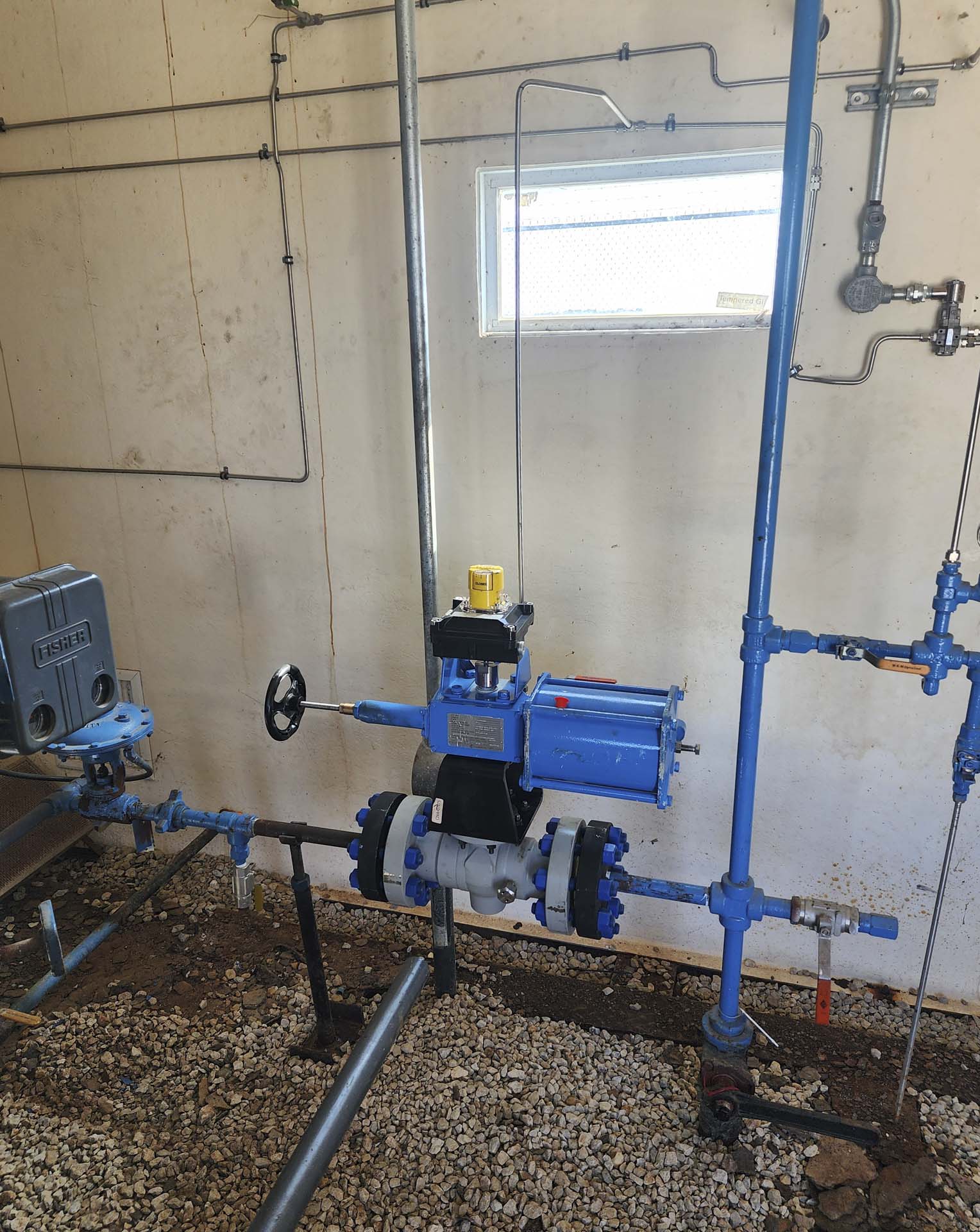
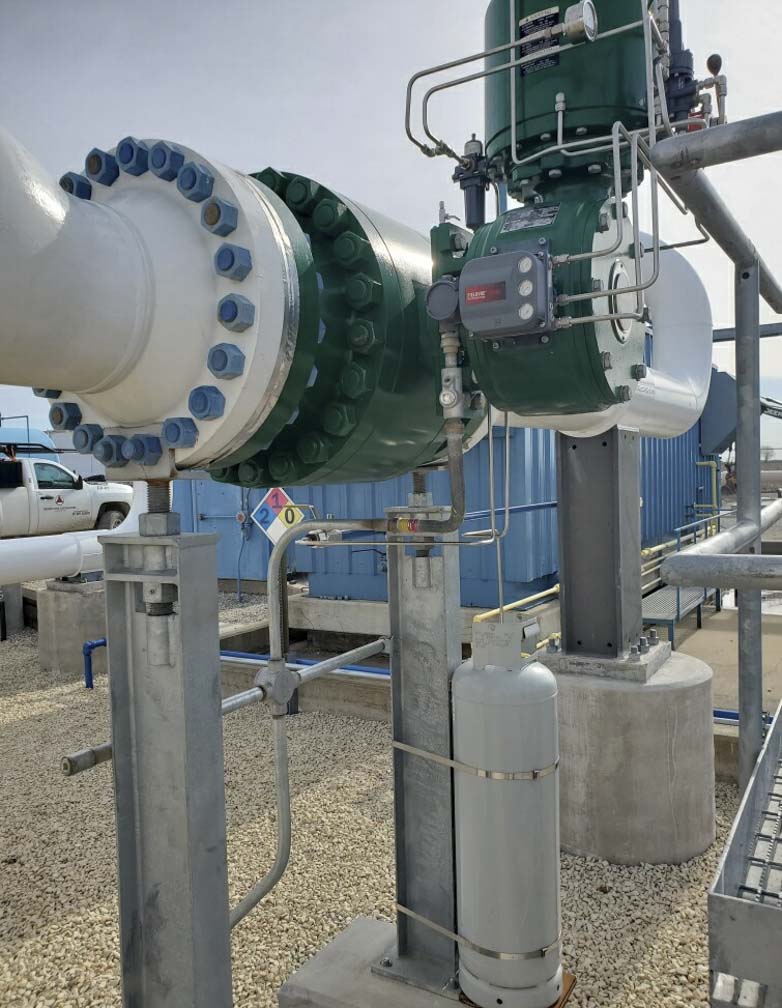
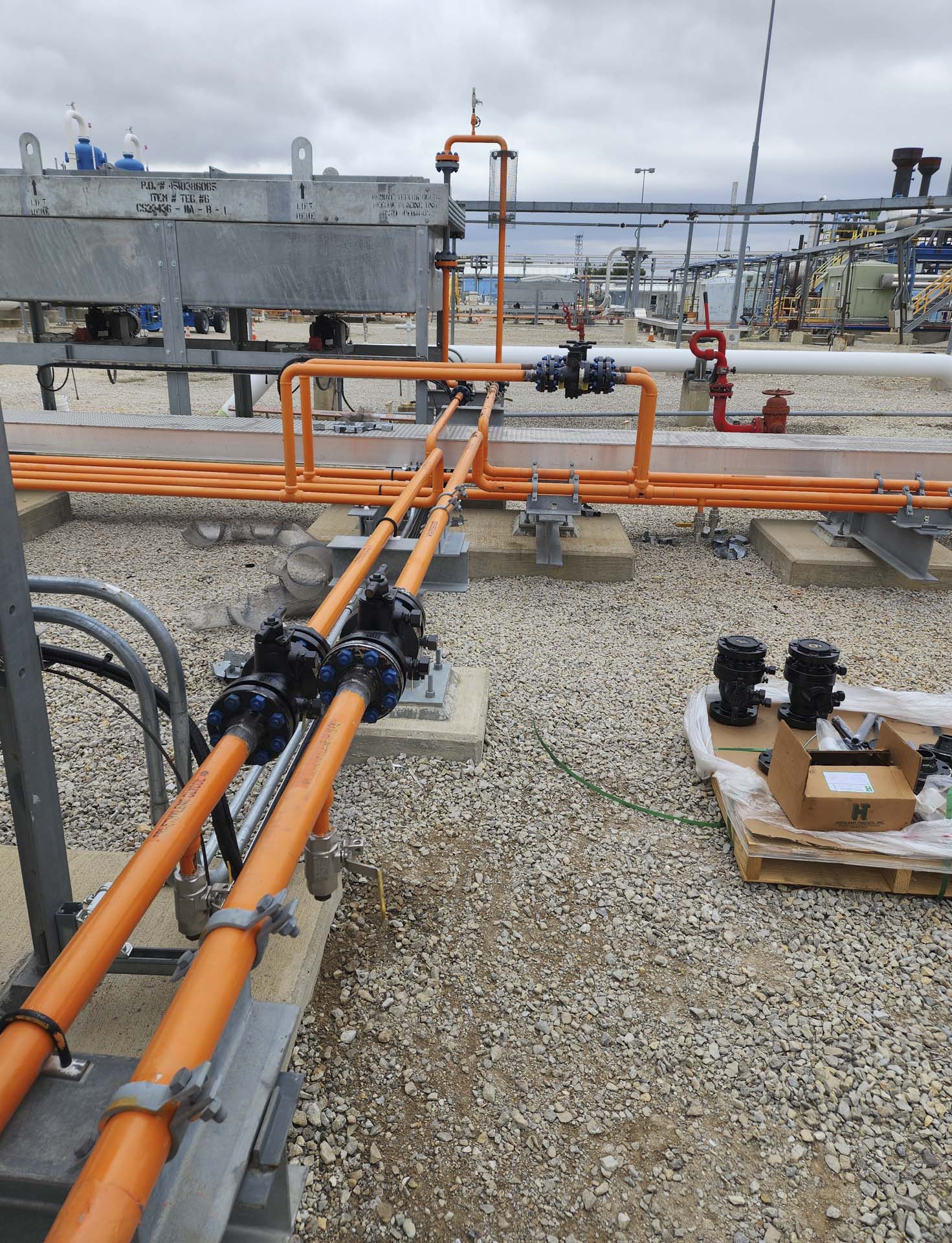
- Wellhead Infrastructure: Wellheads, wellhead piping, valves, regulators, and separators.
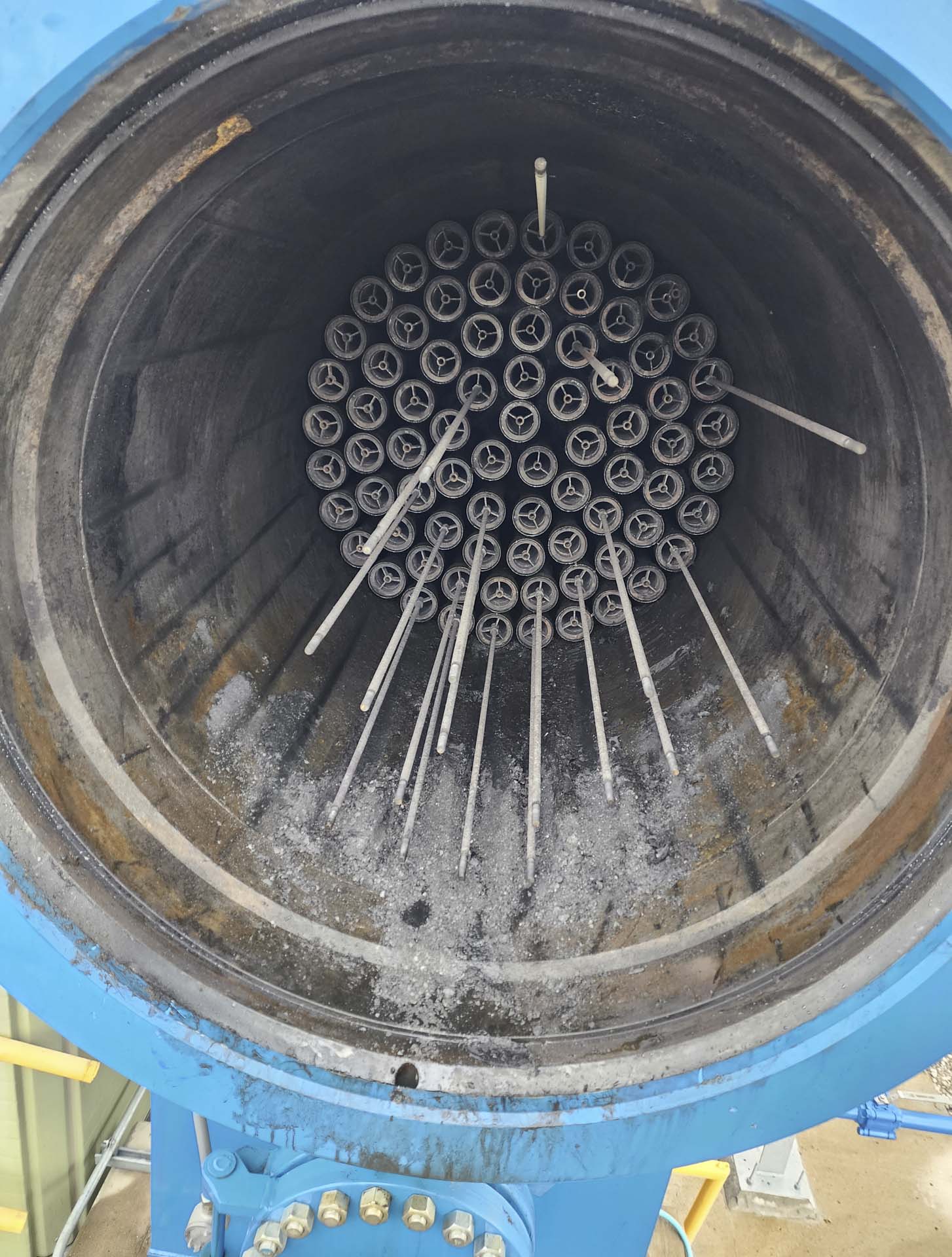
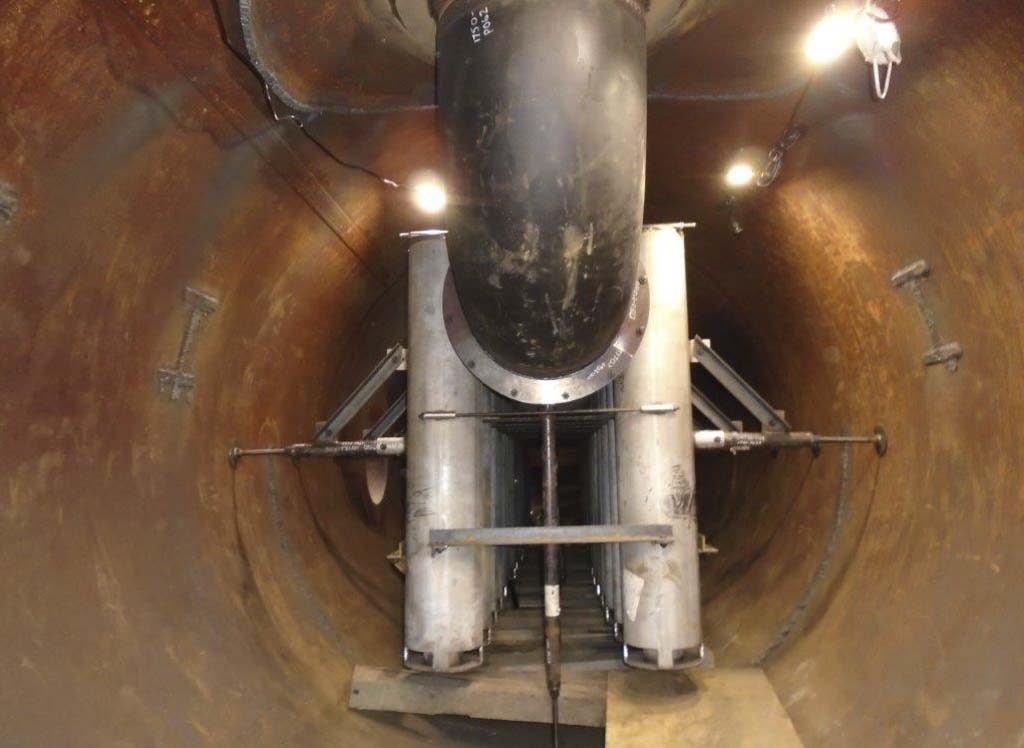
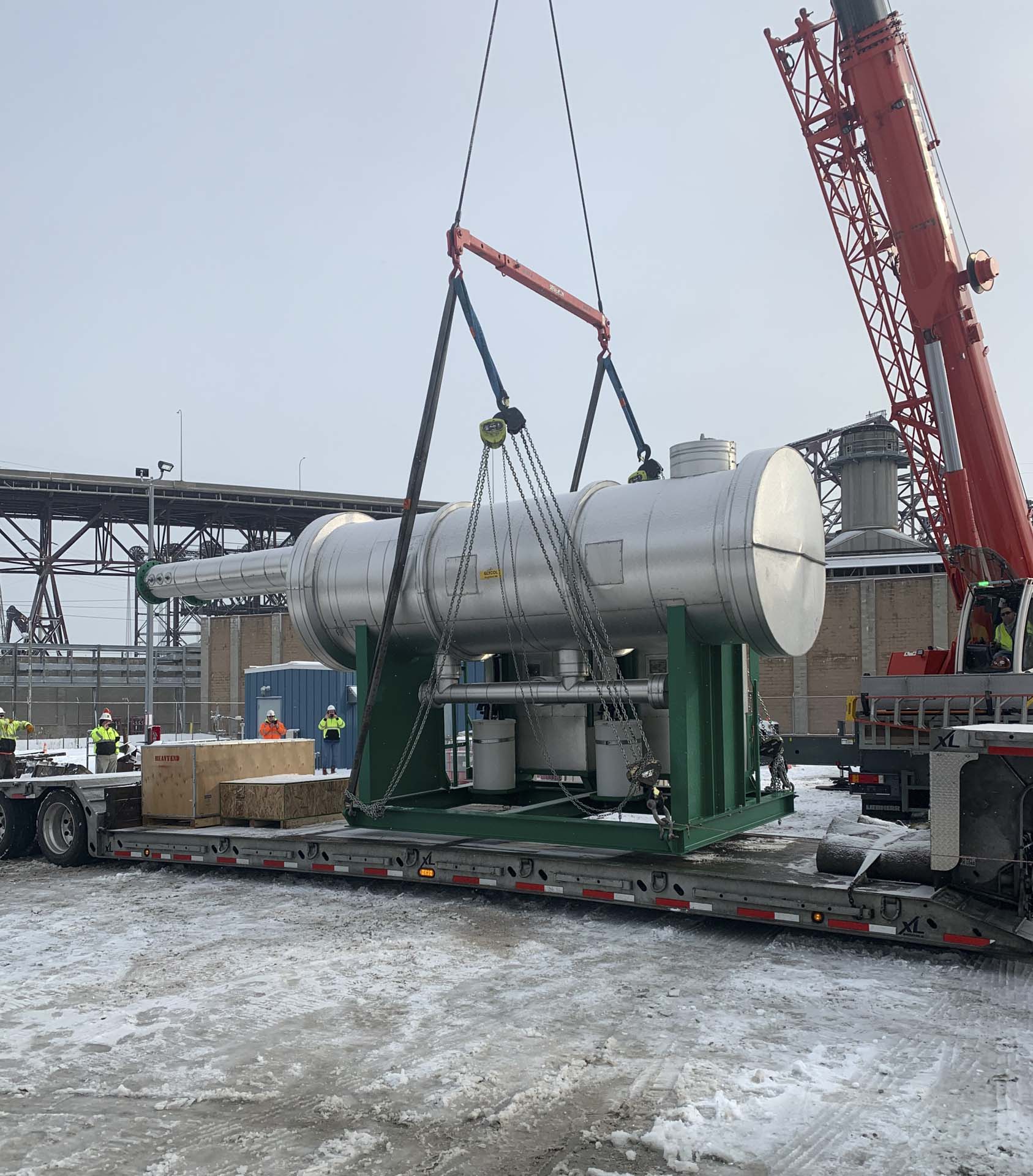
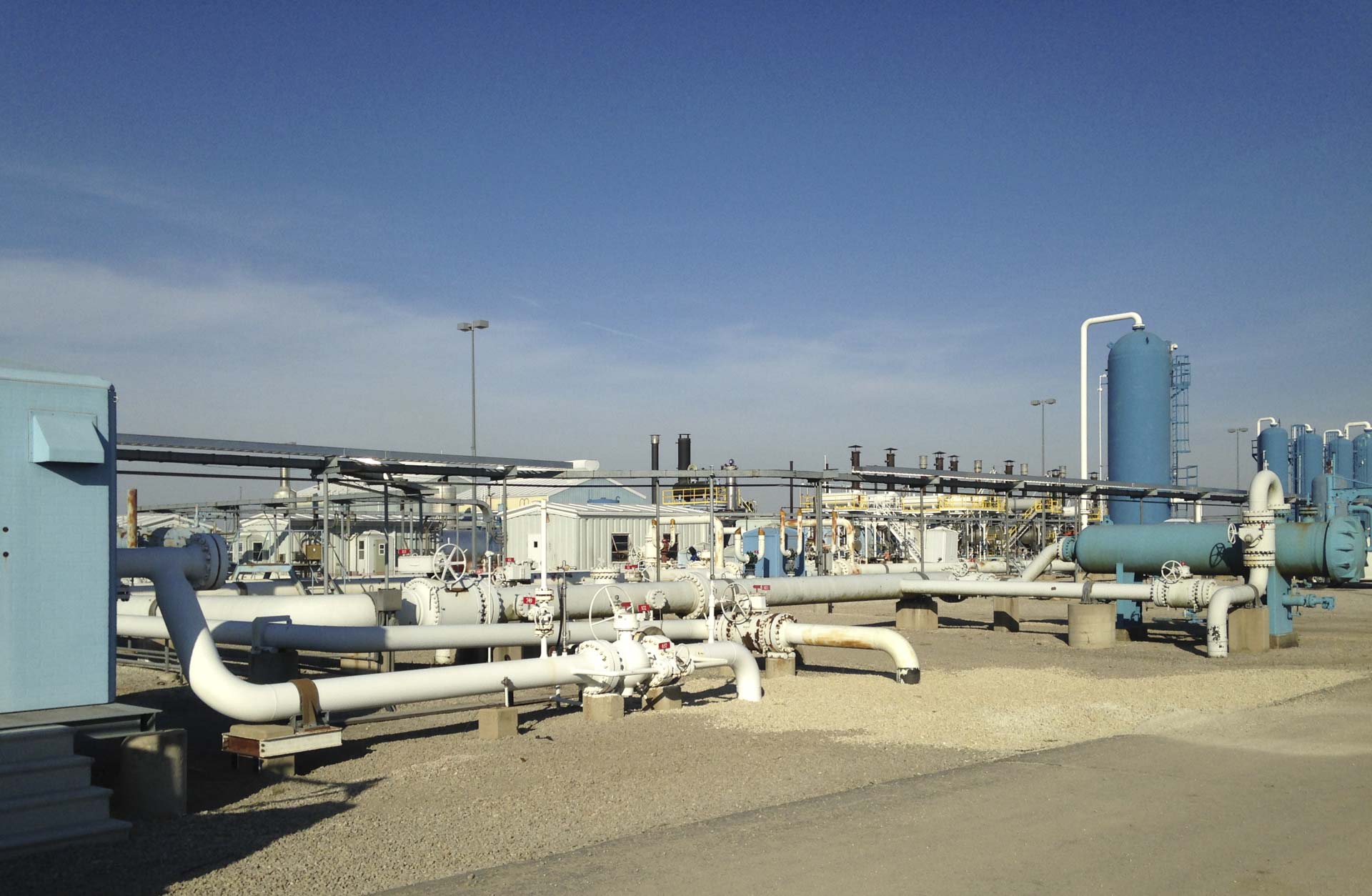
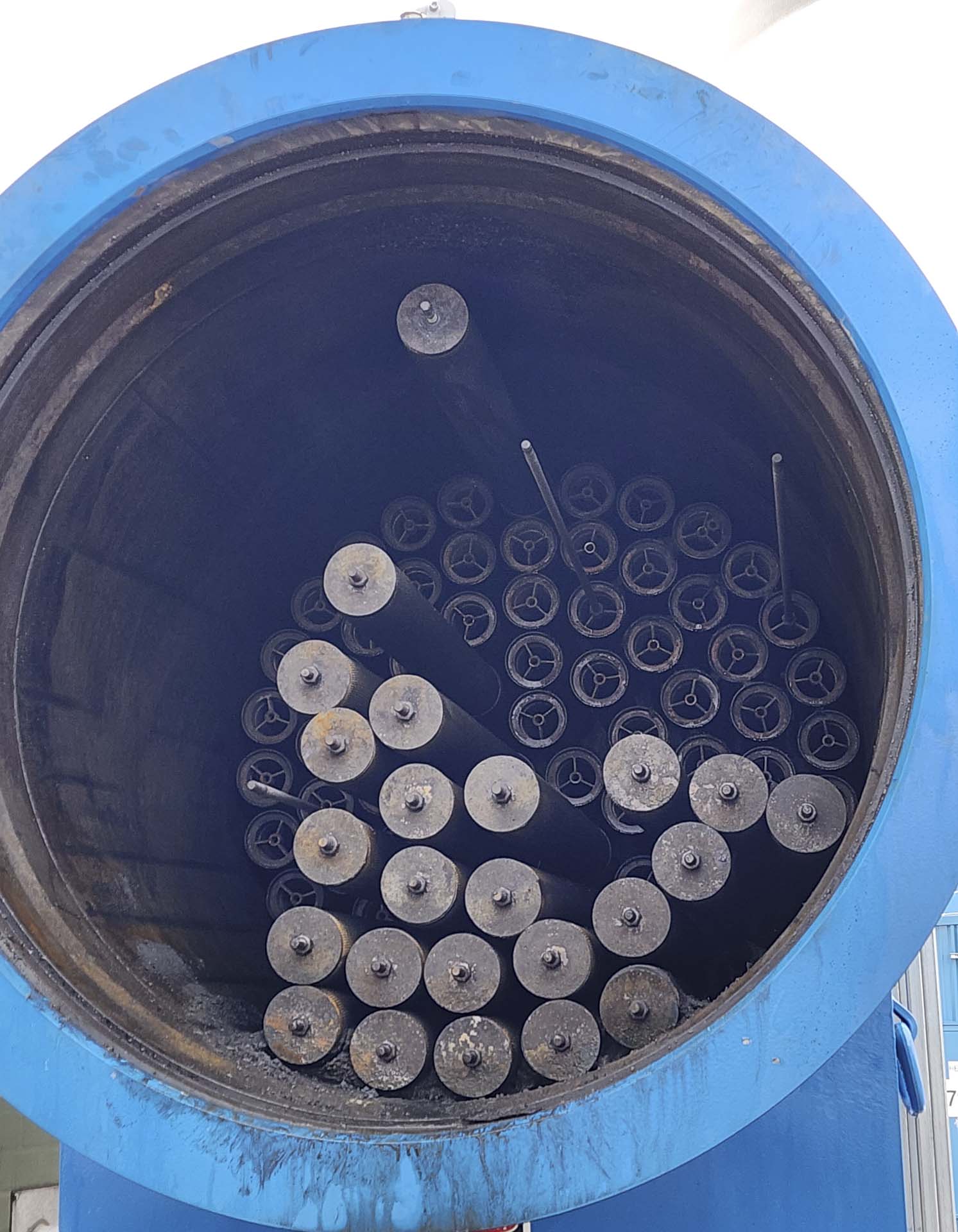
- Processing Equipment: Gas processing plants, slug catchers, separators, and heaters.
- Environmental Containment: Brine ponds and liners.
A Highly Skilled Workforce
Midwestern Contractors' ability to manage complex maintenance projects without heavy reliance on subcontractors hinges on its deep bench of skilled, Operator Qualified (OQ) tradesmen. For over five decades, MWC has brought the right talent to the field:
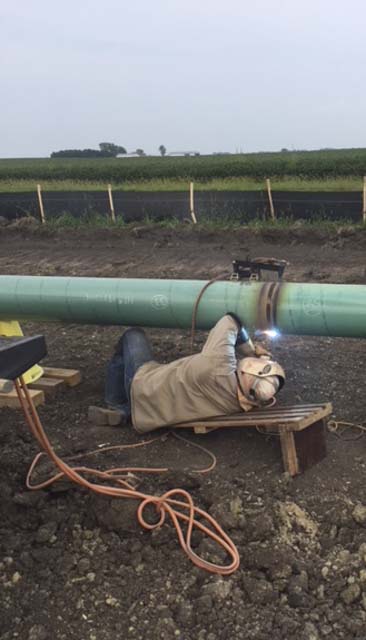
- Mechanical Mastery: Expert pipefitters, fabricators, and certified welders who routinely handle everything from small wellhead adjustments to installing thousands of feet of high-pressure injection piping.
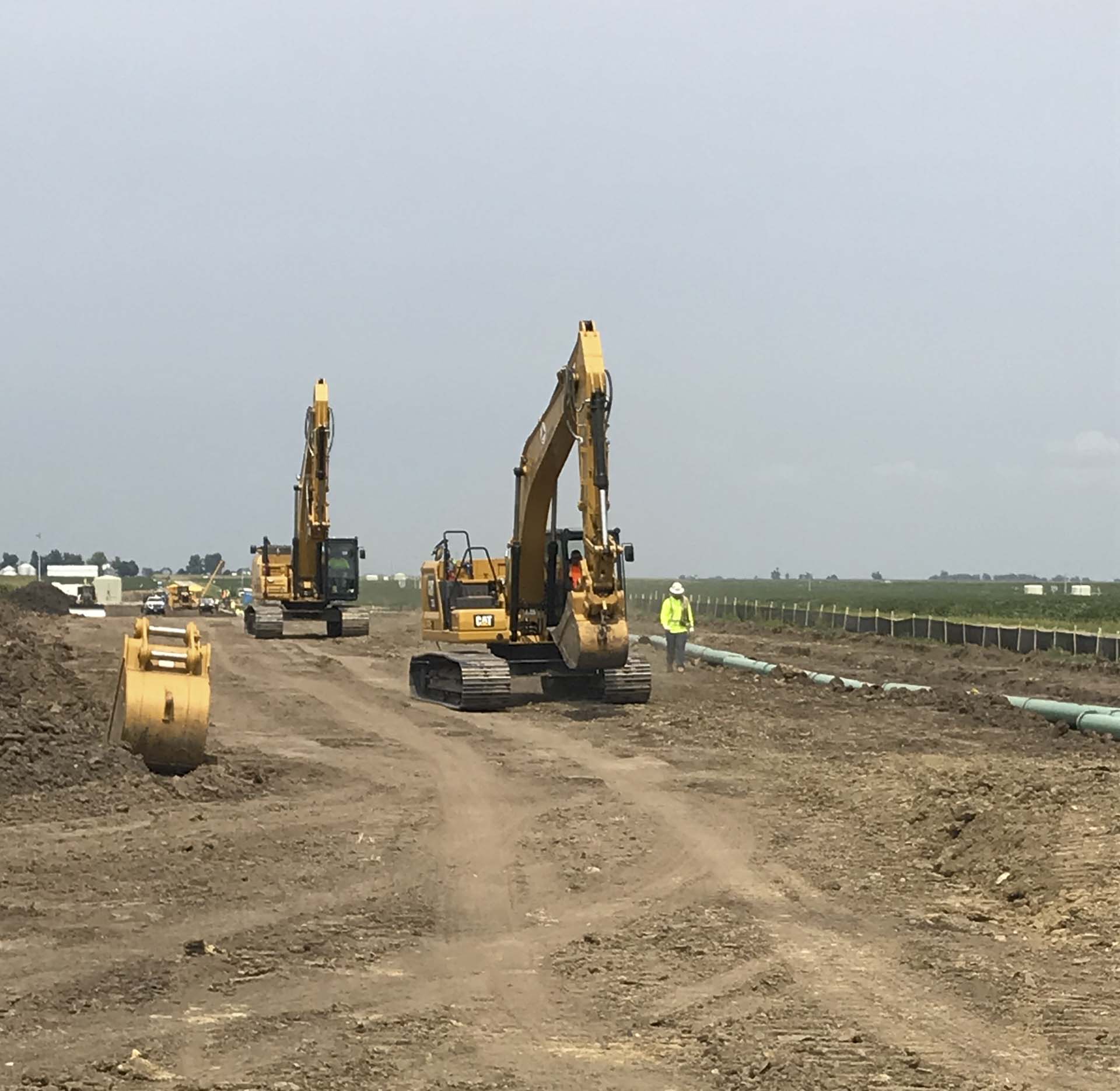
- Civil Construction: Construction specialists dedicated to concrete foundations, building construction, and critical environmental management.
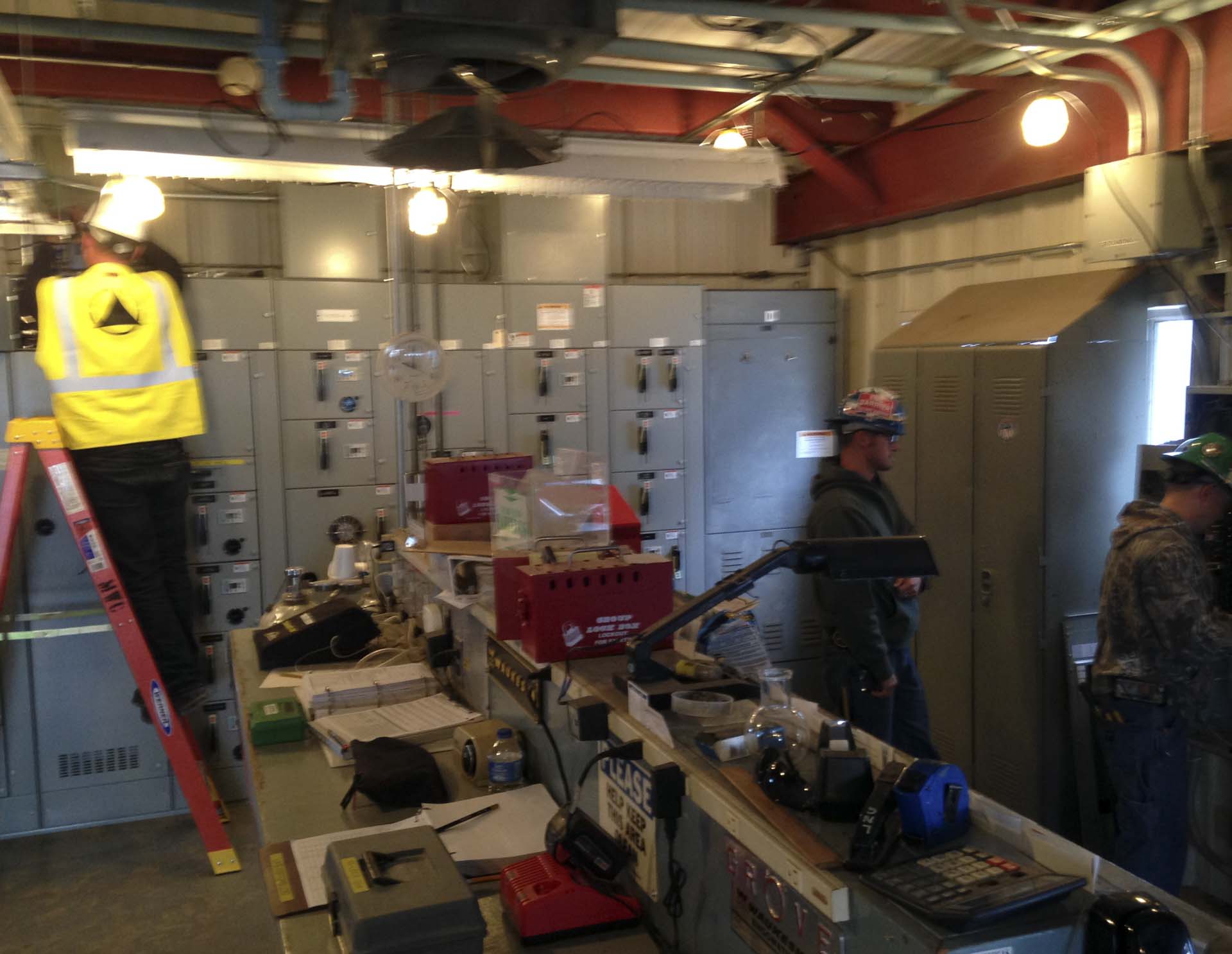
- Electrical and Automation: Industrial and distribution electricians, lineman, and telemetry technicians who handle power wiring (up to 4,200 volts), SCADA systems, fiber optics, and automated valve controls.
With a broad range of in-house trades and dedicated project managers, Midwestern Contractors completes every gas storage field project—from routine wellhead repairs to complex station upgrades—under rigorous quality and safety controls.
Environmental Controls
When executing storage field projects, environmental protection is just as critical as the mechanical work itself. Midwestern Contractors integrate comprehensive environmental management into their turnkey operations, ensuring that infrastructure improvements do not come at the cost of the surrounding ecosystem.
Here is a breakdown of the specific environmental protection and restoration services provided:
Pre-Construction and Excavation Safeguards
Before and during the excavation process, MWC employs techniques designed to minimize disruption and protect existing infrastructure and habitats:
- Hydro Excavation: Instead of relying solely on heavy mechanical digging, MWC utilizes in-house hydro-vac services. This method uses pressurized water and a vacuum system to safely expose underground utilities (known as "daylighting") and document foreign lines, drastically reducing the risk of accidental strikes or spills.
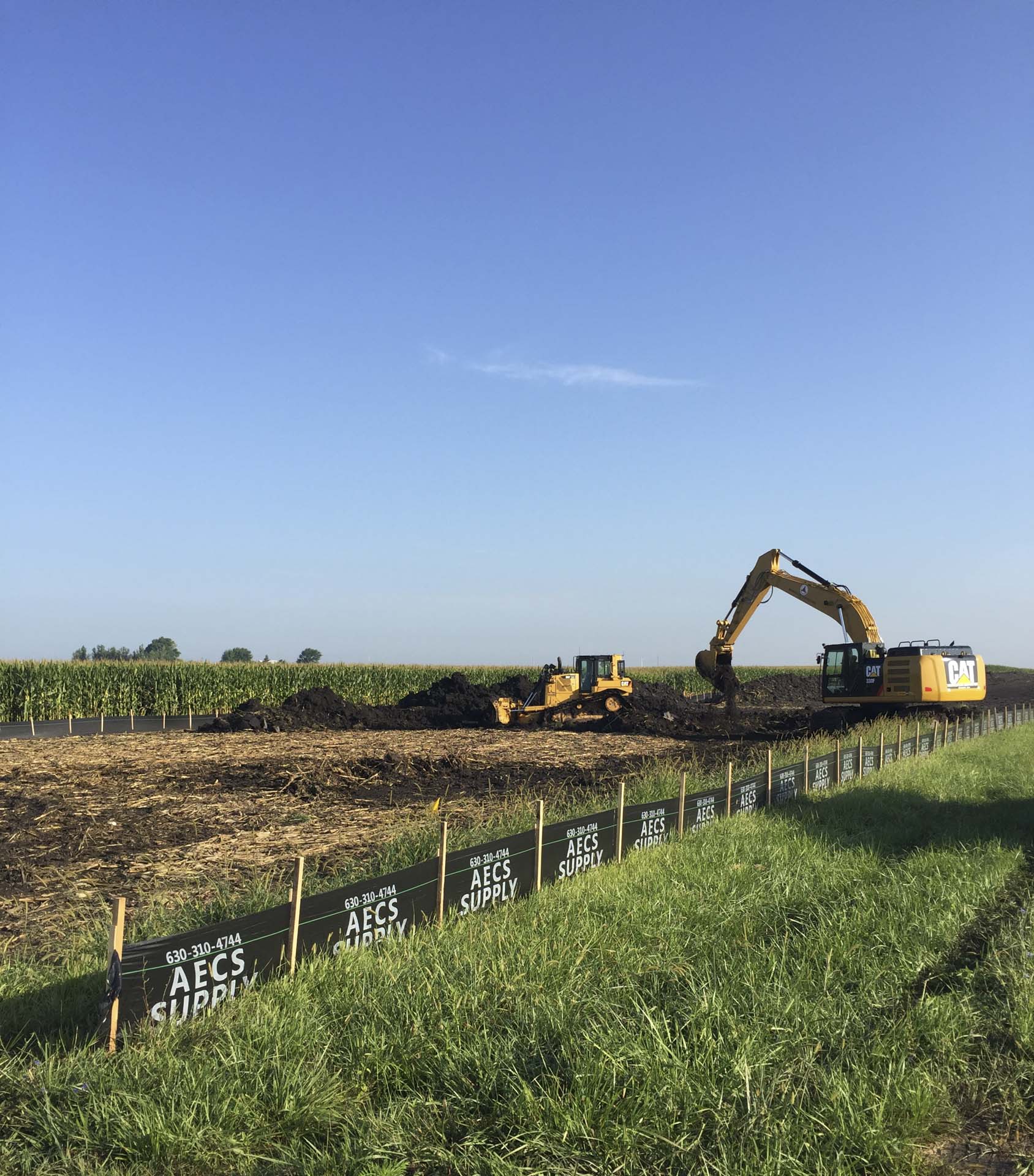
- Surface and Subsurface Water Management: Pipeline work often alters natural drainage. MWC manages both surface runoff and subsurface water flow during construction to prevent erosion, flooding, and the contamination of local waterways.
- Geotechnical Controls: In sensitive areas, they implement stream bank stabilization, cofferdams, bladder dams, and strict erosion control measures to keep the work site contained and protect adjacent land and water.
Site Restoration and Remediation
The goal of any pipeline project is to leave the land in as good—or better—condition than it was found. MWC's civil construction division handles complete post-project restoration:
Native Seed and Habitat Restoration: Following construction or gathering line work, MWC performs complete native seed restoration to re-establish local vegetation, prevent long-term erosion, and restore local habitats.
- Right-of-Way Maintenance: They maintain the clearings required for pipeline access (the right-of-way) using environmentally compliant methods, ensuring that access routes remain clear while mitigating environmental impact.
- Road and Civil Restoration: Gathering line and brine line maintenance often require cutting through local roadways. MWC handles complete road restoration, grading, and fencing, ensuring the site is fully repaired and secured before demobilization.
By managing these services in-house alongside their mechanical and electrical work, Midwestern Contractors maintains strict control over permit adherence and environmental compliance from the first day of digging to the final seeding.
Safety Protocols
Midwestern Contractors (MWC) builds its safety protocols around a proactive, data-driven Safety Management System (SMS) and strict compliance with federal pipeline regulations. Their approach focuses on both standardized certifications and a field-led safety culture to achieve a goal of zero accidents.
Here are the specific safety protocols and training programs required for their field employees:
Mandated Training and Certifications
MWC maintains an entirely in-house training infrastructure to ensure compliance across every level of their field staff:
- OSHA Certifications: The baseline for MWC field employees is OSHA 10-hour training. Every foreman and supervisor is required to hold an OSHA 30 certification. MWC also employs a safety director with OSHA 500 certification, allowing them to teach and certify their workforce in-house.
- Operator Qualification (OQ): To comply with the Pipeline and Hazardous Materials Safety Administration (PHMSA), all tradesmen performing covered tasks on pipeline facilities must carry specific Operator Qualifications. MWC is certified to administer and evaluate the primary OQ curriculums required by major energy providers, including Veriforce, NCCER, MEA, and OQSG.
- Manufacturer-Specific Training: Because pipeline integrity relies heavily on exact material application, MWC requires employees to undergo specific manufacturer training for installing proprietary products like specialized underground coatings, fittings, and instrumentation components.
Field Protocols and Safety Management
Beyond classroom training, MWC enforces rigorous daily protocols managed through cloud-based analytics to identify risks before they result in incidents:
- Real-Time Safety Analytics (SMS): Field audits, inspections, and checklists are submitted directly from the job site into MWC’s Safety Management System. Four dedicated safety managers and a Certified Safety Professional (CSP) monitor this data to track training effectiveness and identify negative safety trends—such as a gap in training or creeping complacency—allowing for immediate intervention.
- Behavioral and Peer-Led Safety: MWC intentionally shifts away from a top-down mandate by requiring field employees to actively participate in the safety culture. Field crews are frequently tasked with leading daily tailgate meetings, giving short safety presentations, and providing real-time feedback on site-specific hazards to encourage peer-to-peer accountability.
By managing both OSHA and Operator Qualification training internally, MWC ensures that their crews mobilize to high-pressure gas field projects with the exact technical and safety competencies required for the job.
If you wish to consult with Midwestern Contractors on your next storage field project please call our Superintendent Gary Rimstidt at 630-220-2819.