LPG vent and accumulator tank upgrades constructed without interrupting operations. Project completed in three months
Liquid Petroleum Gas (LPG) Vent, Accumulator, and Flare Maintenance
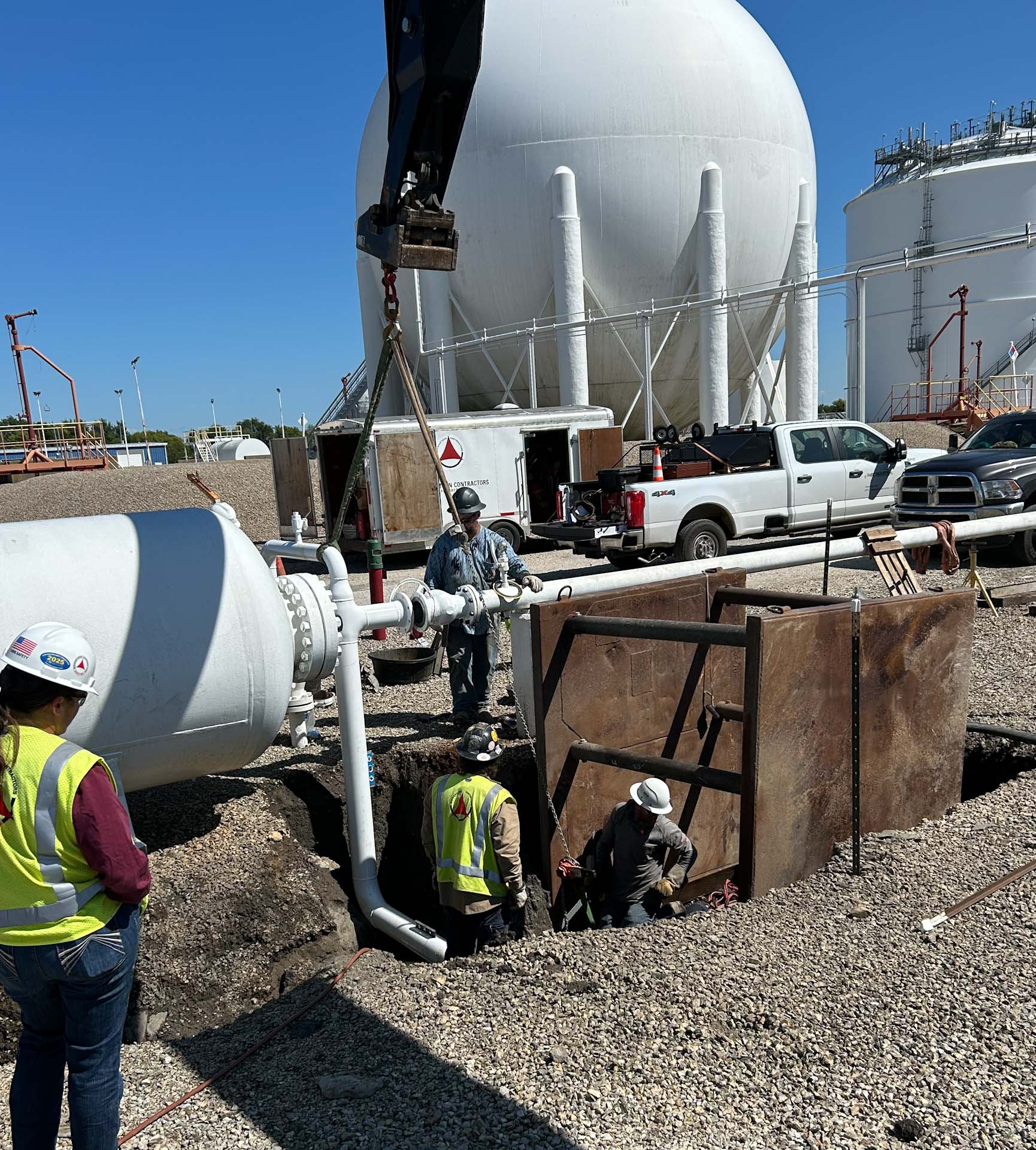
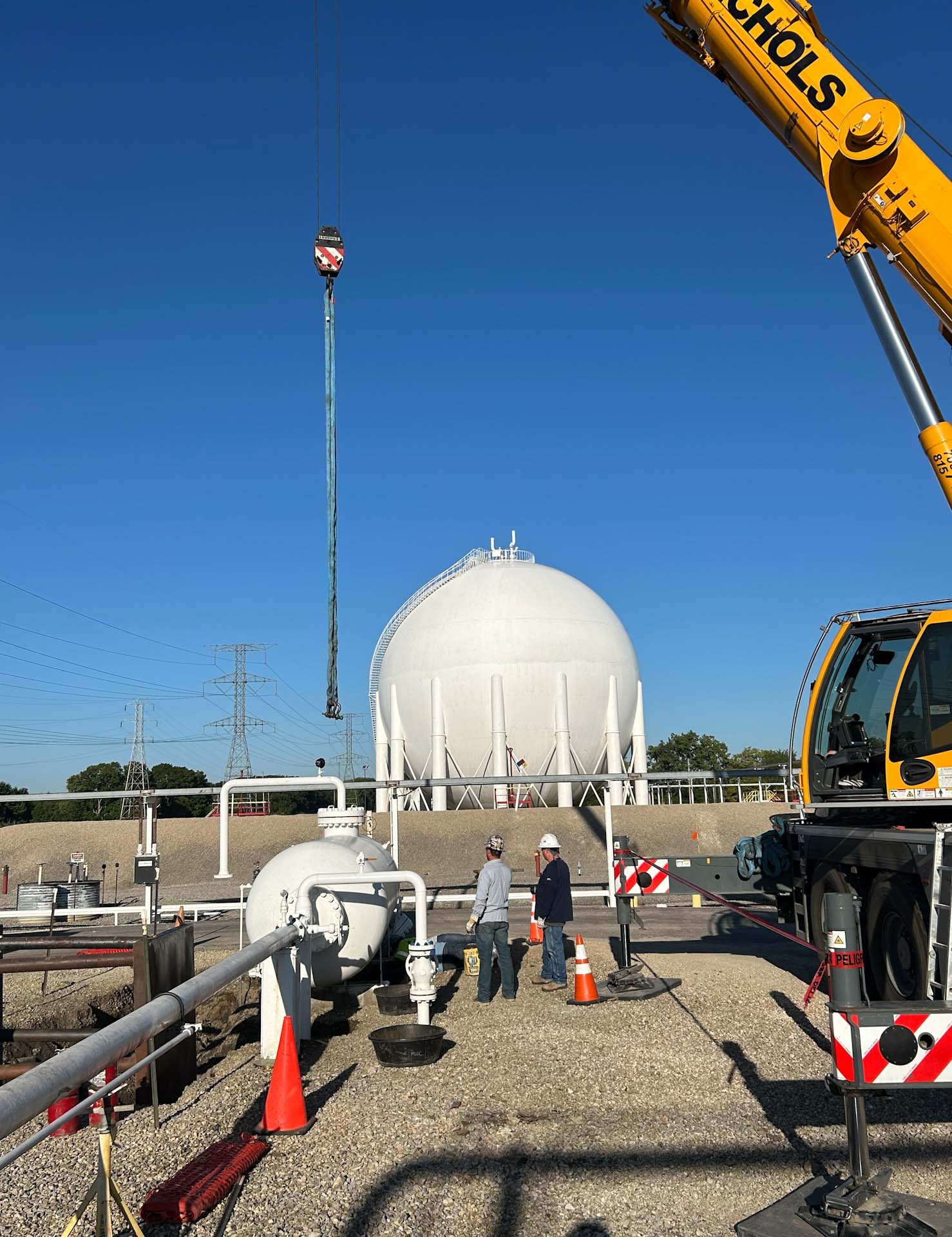
This case study describes how a flare line and an accumulator tank were upgraded in an LPG storage facility while maintaining operations. But first a short background on LPG products.
Liquified Petroleum Gas (LPG) consists of Propane and Butane. This “wet gas” is a byproduct of petroleum distillation and makes up about 3% of the energy used in the United States. It is used for heating in rural areas and as a feedstock in the petrochemical industry to produce ethylene, propylene, and acrylic acid, which are building blocks for plastic film, engineered plastics, synthetic rubber, fibers, and solvents. One gallon of propane has 73% of the energy value of a gallon of gasoline.
Under pressure LPG is in its liquid phase. Transport through mid-stream pipelines usually occurs at1,500 to 2,000 psi. However, at industrial scale storage facilities LPG is held in spherical pressure vessels designed and manufactured to ASME code. The pressure in these vessels is less than the transport pressure but is sufficient to maintain the product in liquid form depending upon outside air temperature. Vaporization will still occur during storage.
Outside air temperature affects the vapor pressure of the LPG. For example, to maintain the product in liquid form pressure must be increased as temperature increases. At 70° F 24.8 bar (360 psi) is required to maintain the liquid phase, if the temperature continues to increase the gas will transition from liquid to vapor phase.
With atmospheric temperatures ranging from below zero to over 100° F, all LPG storage tanks and vessels are equipped with pressure relief valves to vent the explosive vapors. In industrial settings there are vent piping systems, flare stacks, check valves and other mechanical systems to allow the vapor to flare off and to prevent explosions and fire from flowing back into the vent system to the tank and causing a boiling liquid – expanding vapor explosion (BLEVE).
These industrial facilities grow overtime to meet market demand. Usually new spheres and banks of “bullet” tanks are built, commissioned, and tied into the existing vent piping system and flare stack. In addition, accumulator tanks are placed in the vent system to collect liquids. Periodically these liquids must be vacuumed out of the tank and disposed of.

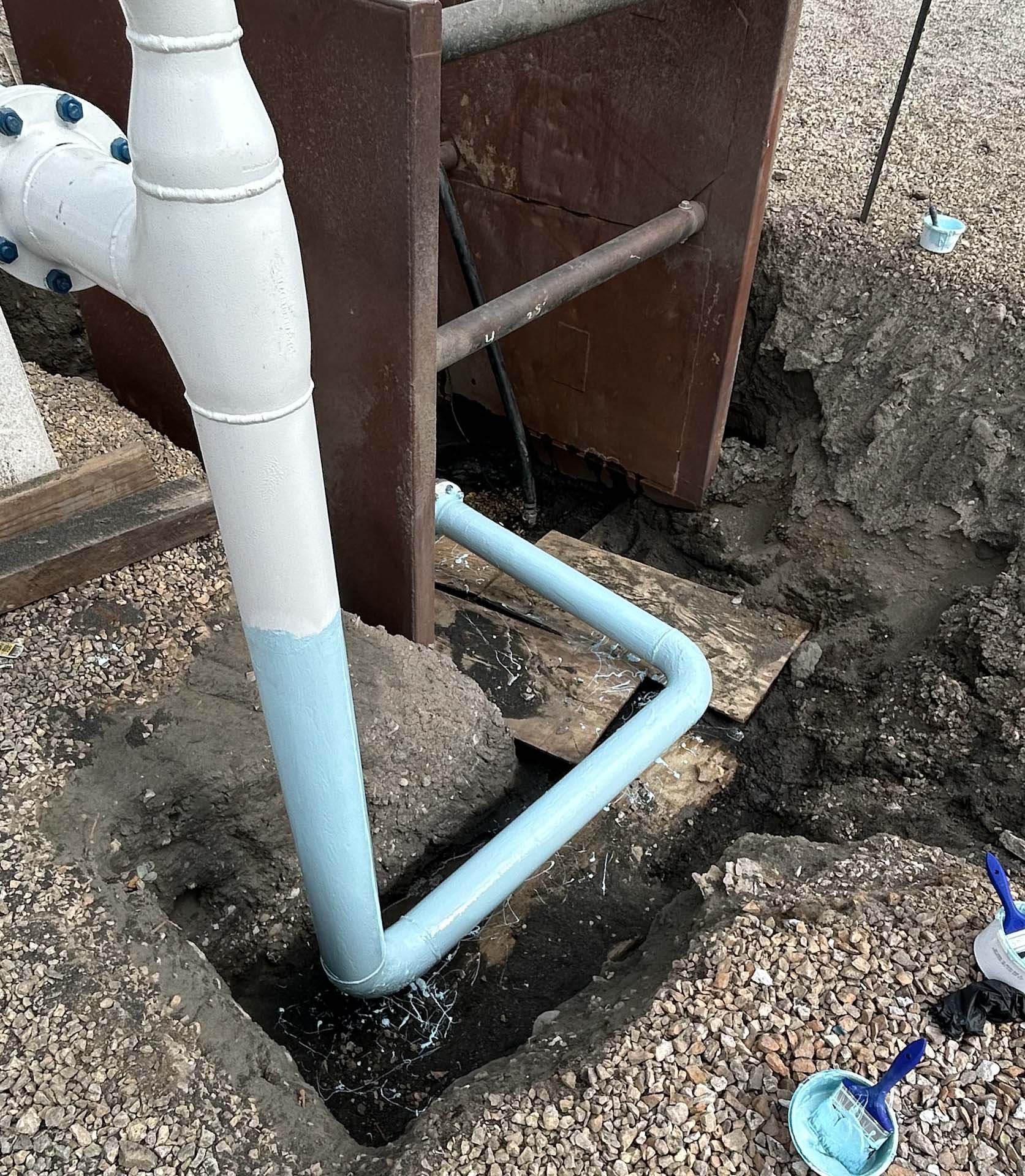
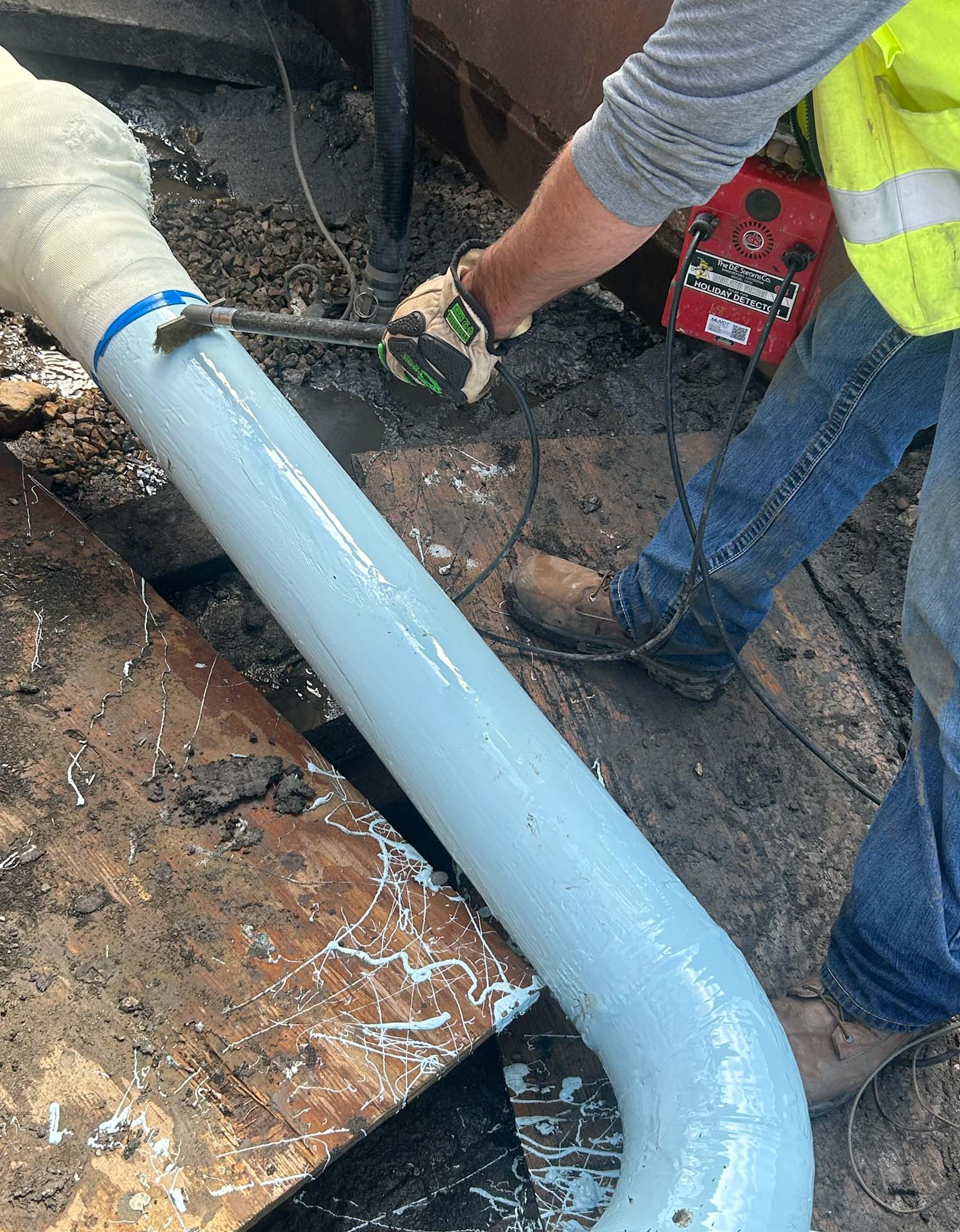
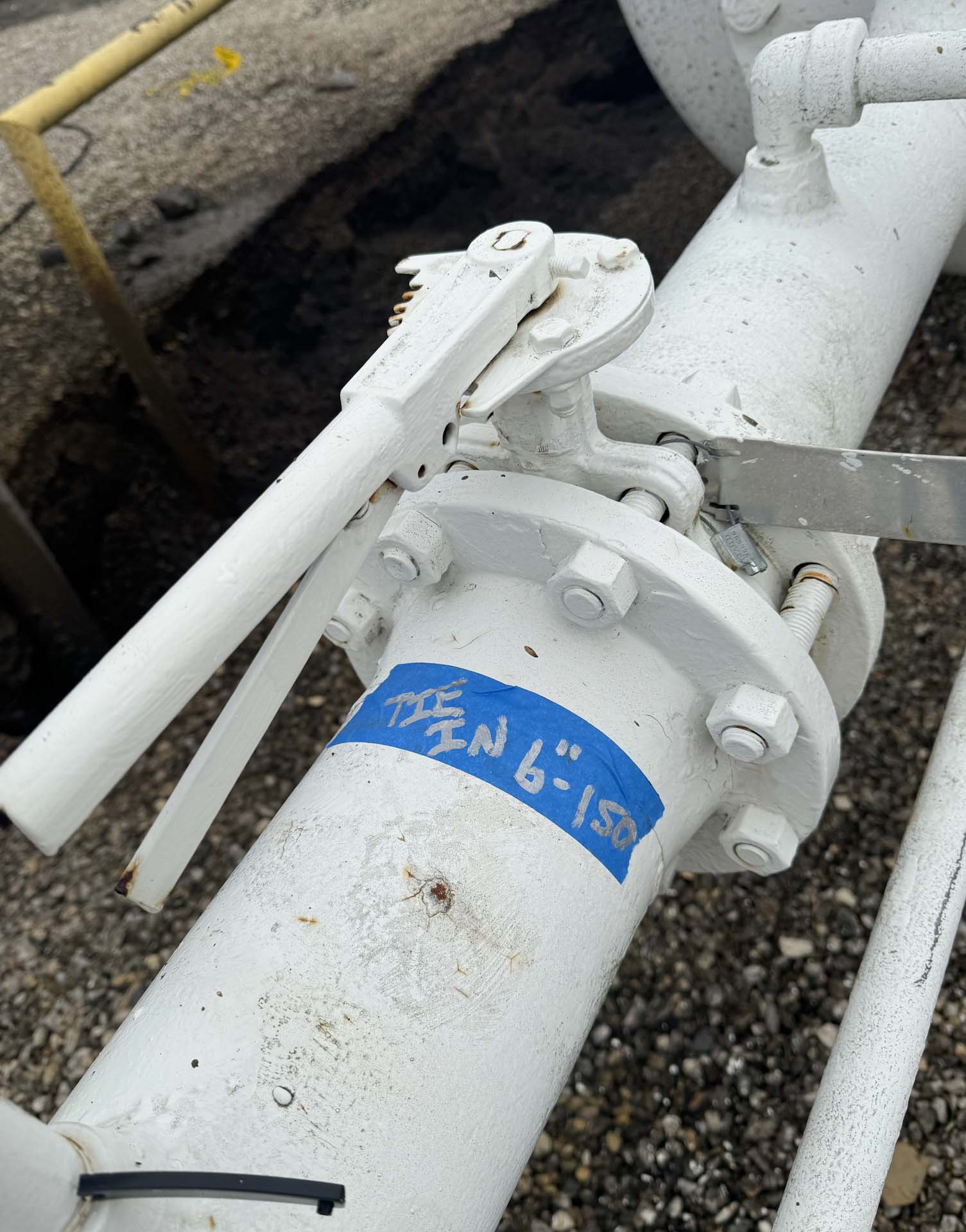
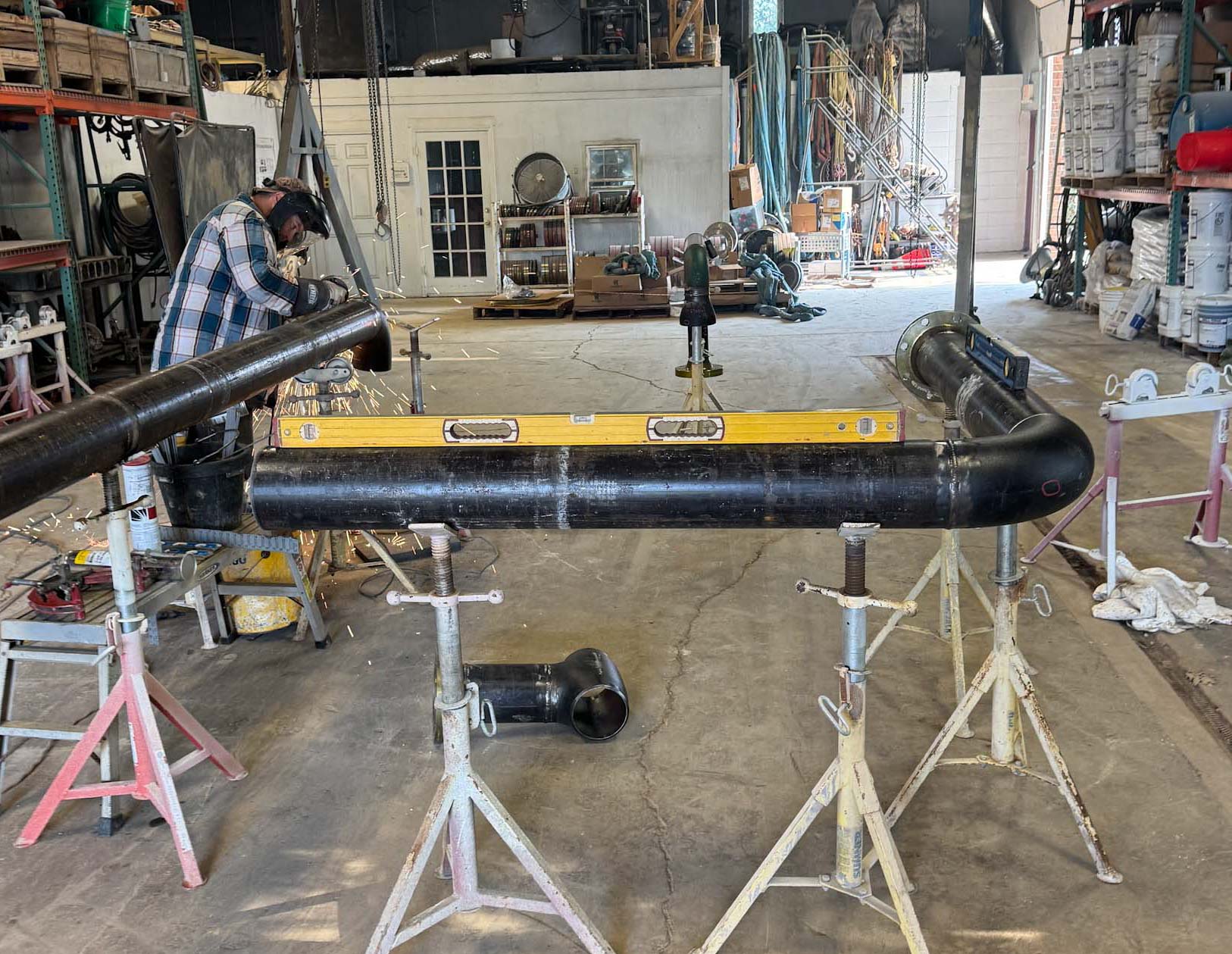



CLICK ON ANY IMAGE TO ENLARGE AND RUN SLIDESHOW
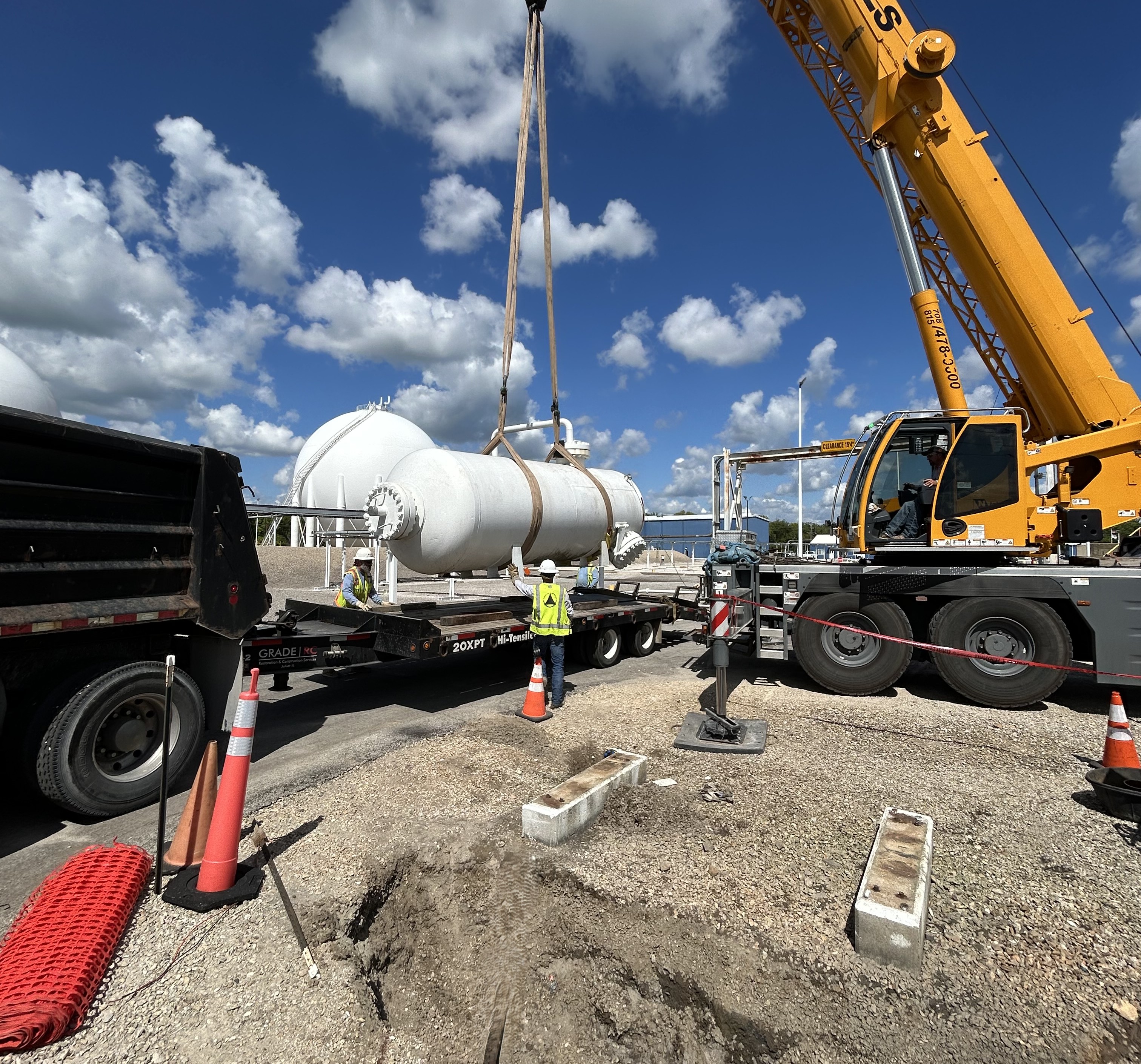
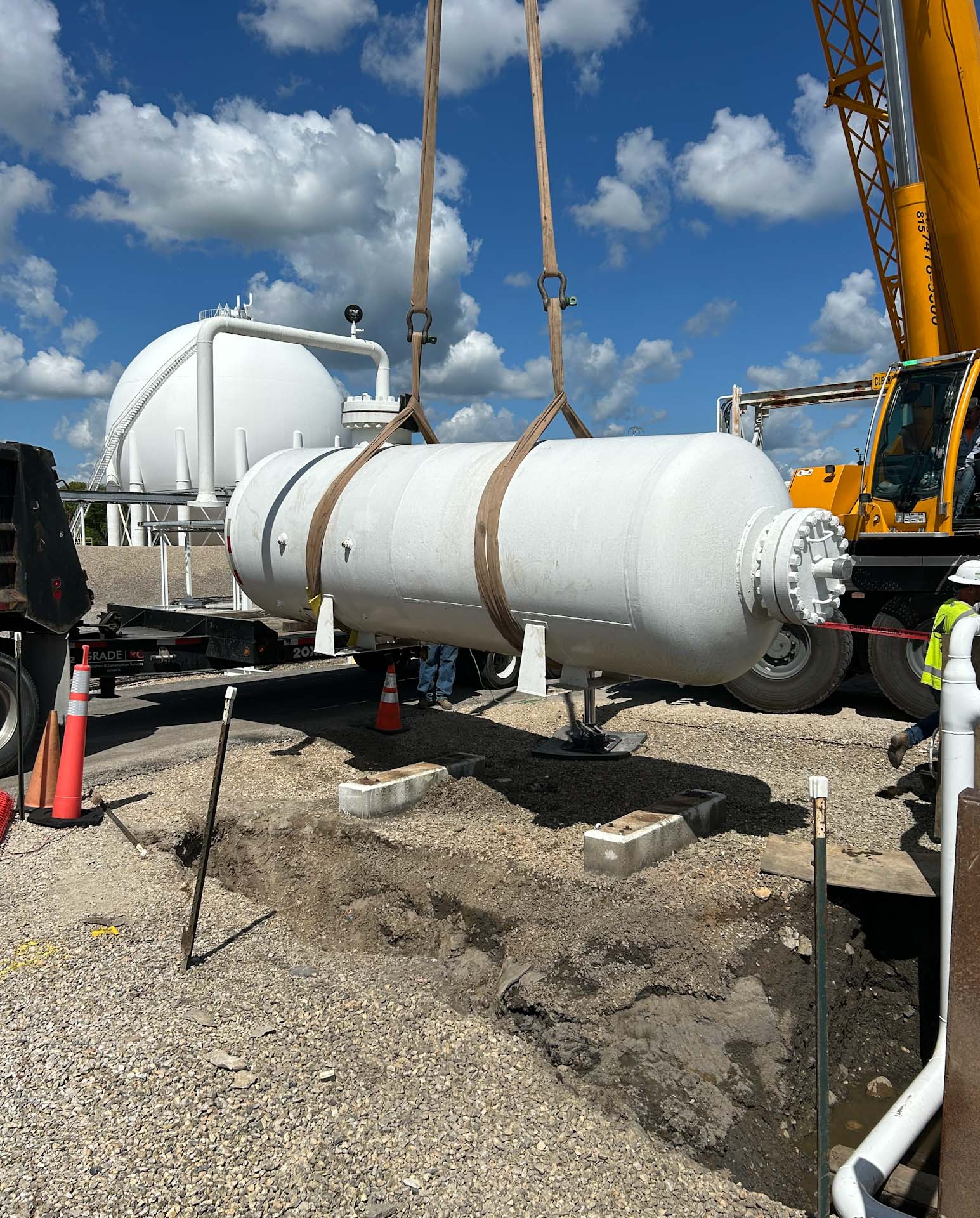
In this case study the vent piping system was extensive and covered over 3,000’ connecting into two accumulator tanks and finally to a flare stack. The project was funded out of the station’s operating budget, and the purpose was to streamline the vent piping, gather all liquids into one accumulator and add a new flare stack with an improved blower, combustion sensors, and backflow preventers.
The venting process could not be interrupted, and bypasses were created to direct the explosive vapor around the work areas and into the existing flare.
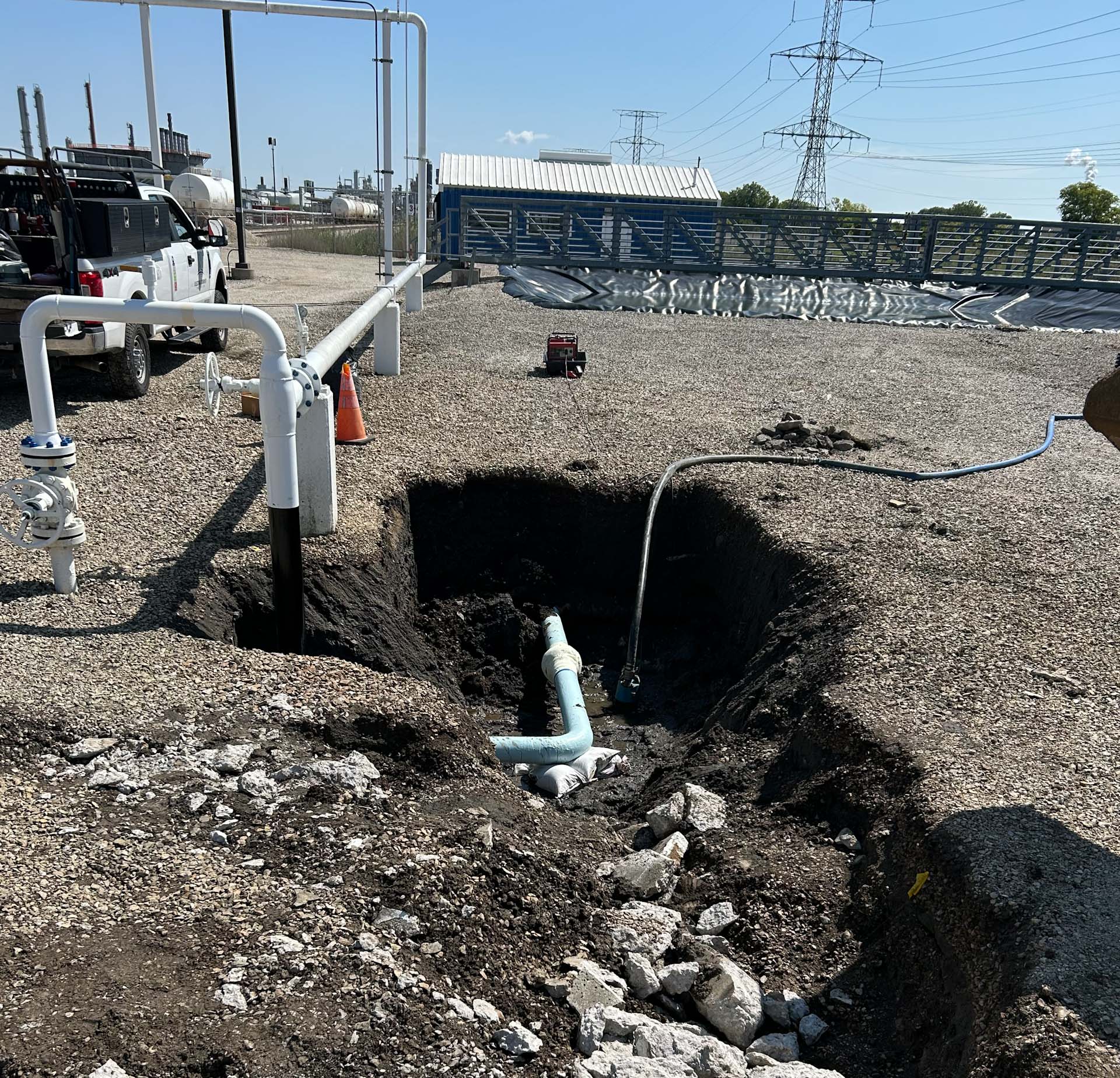
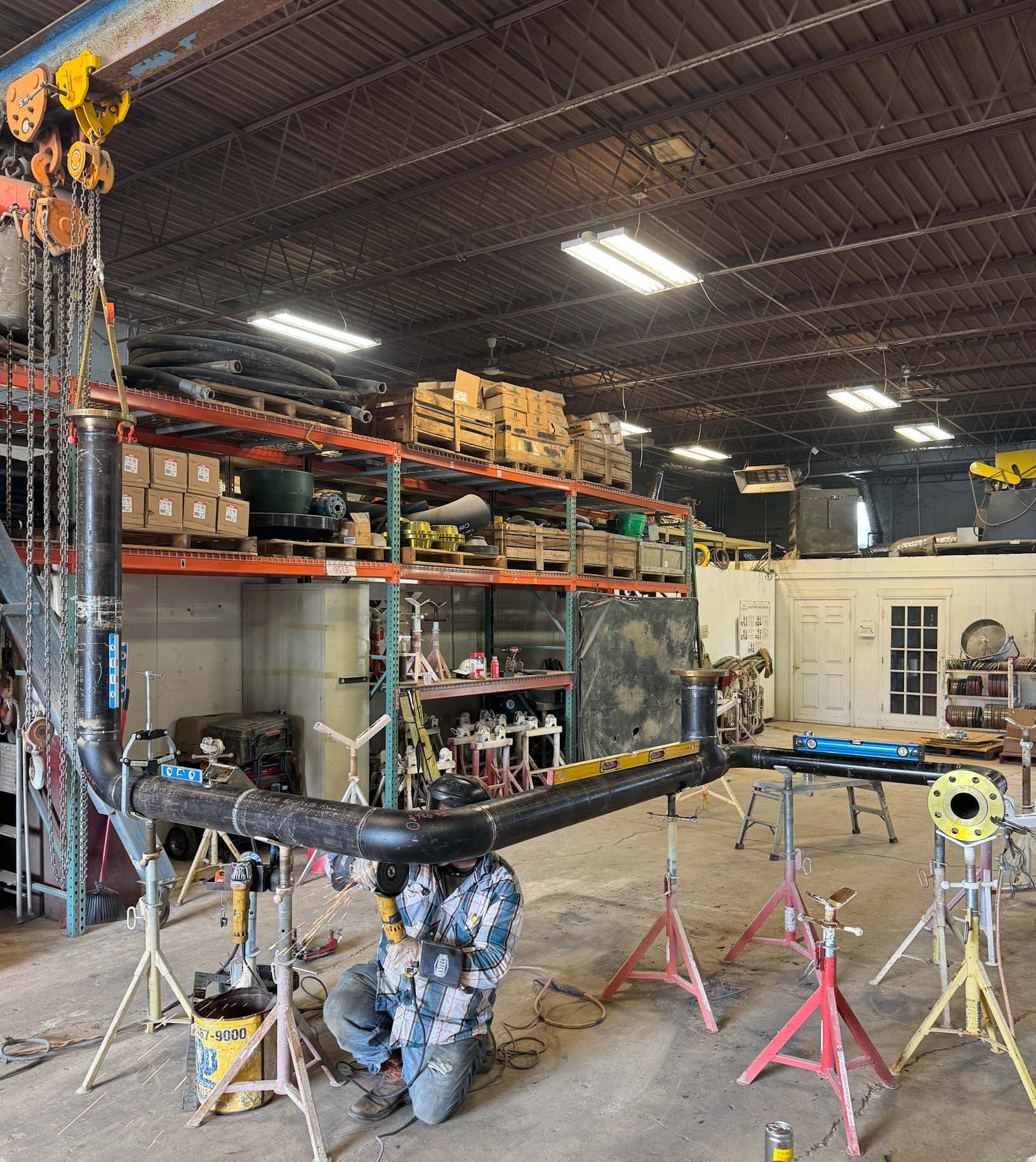
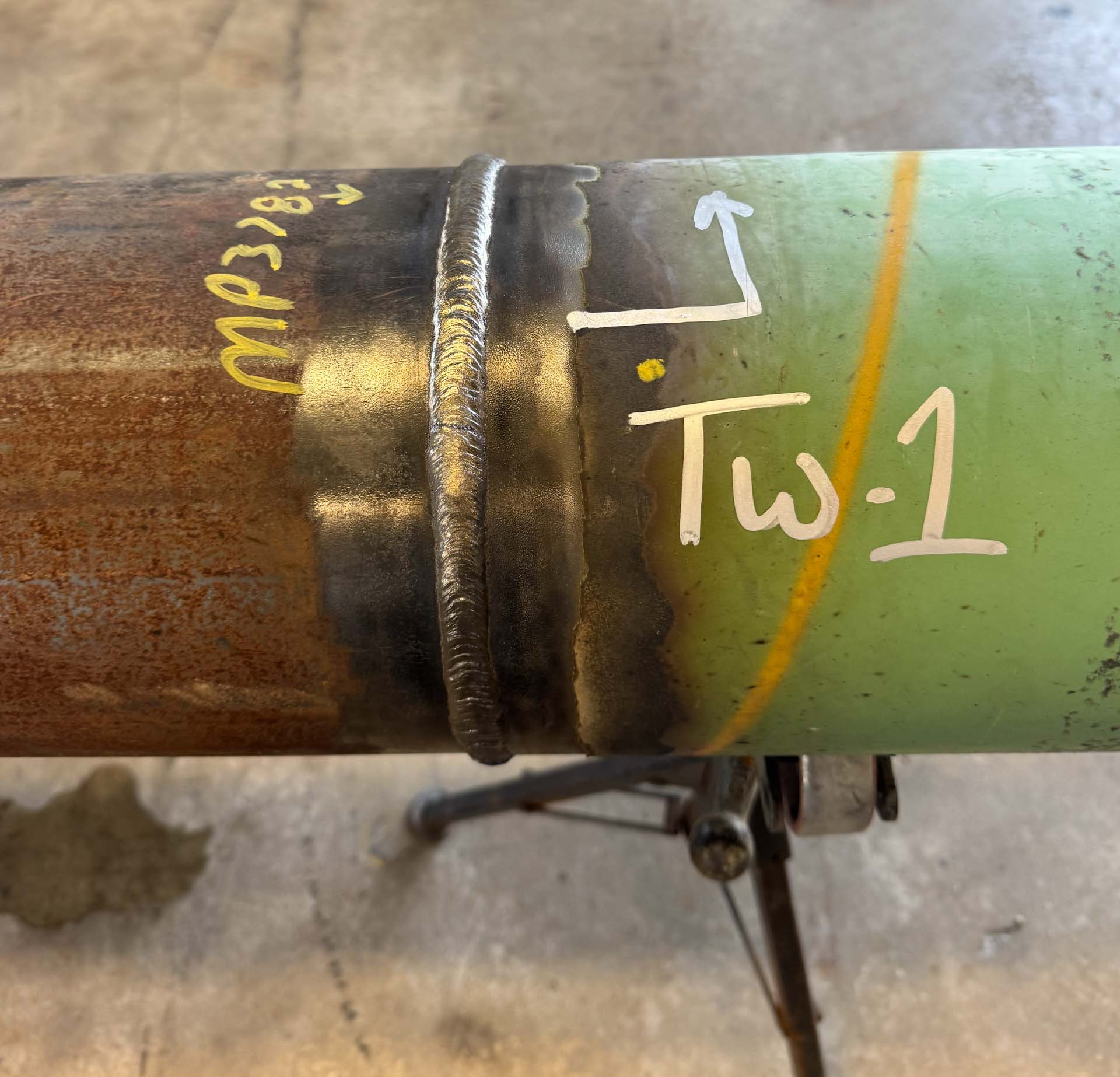
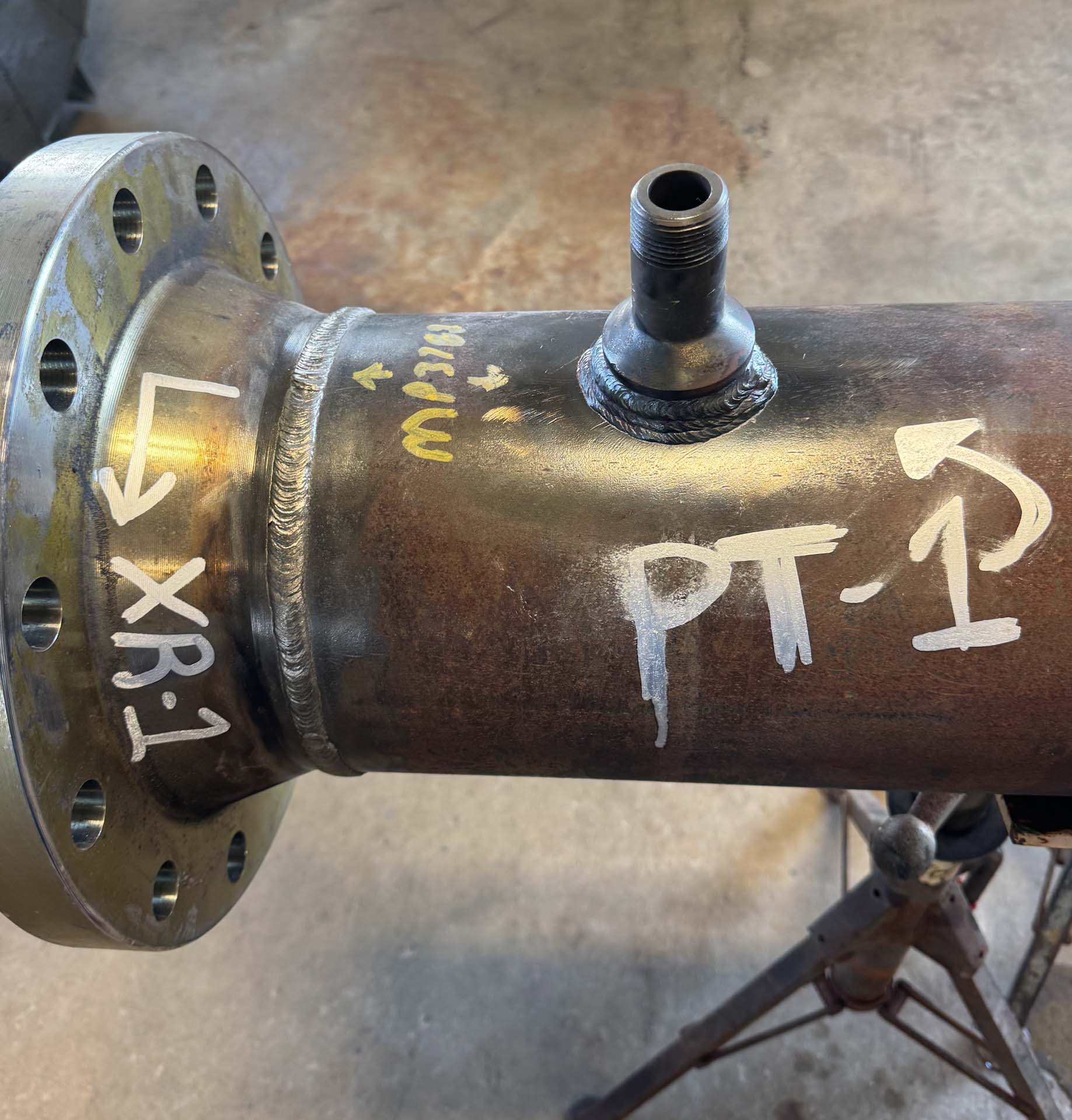
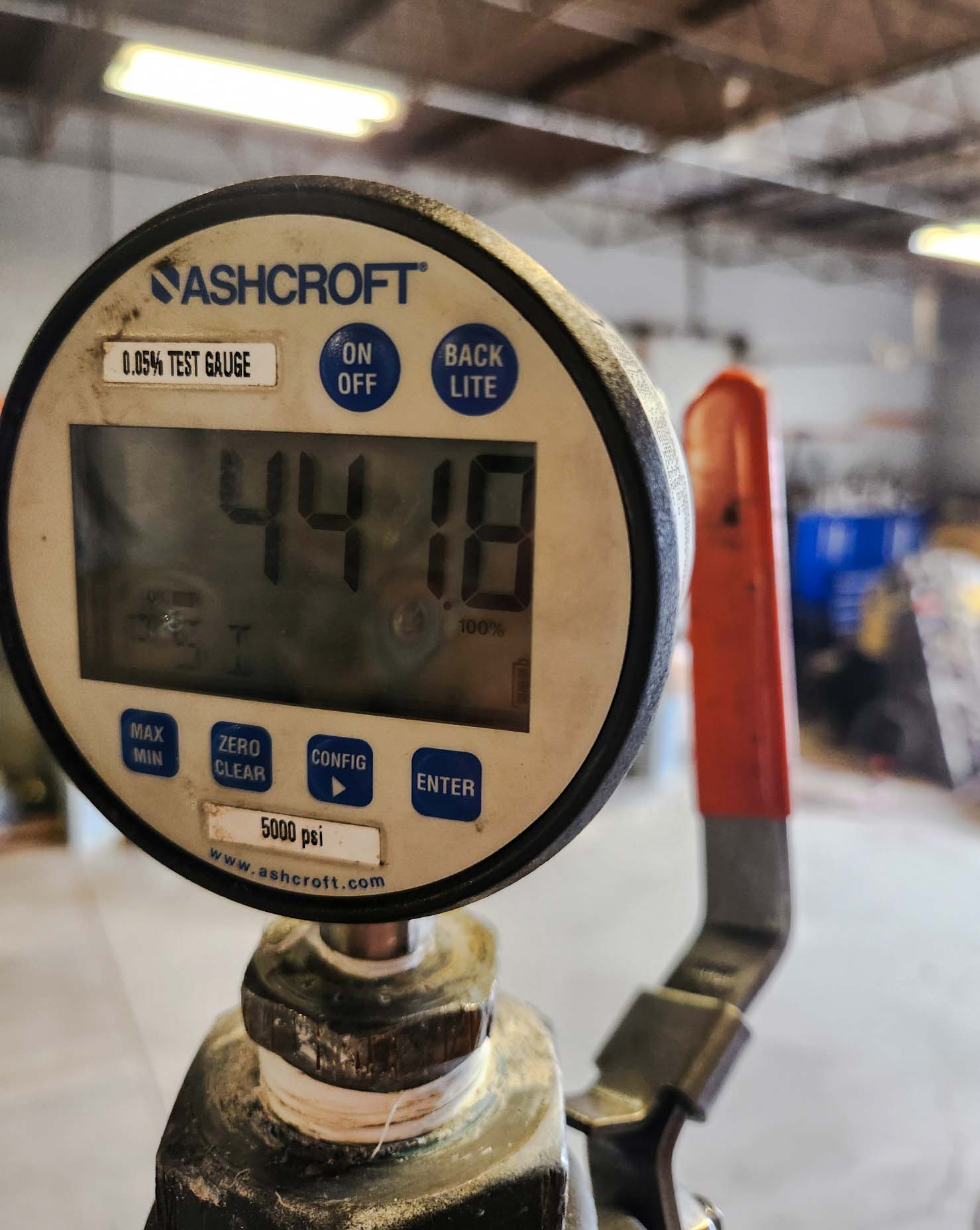
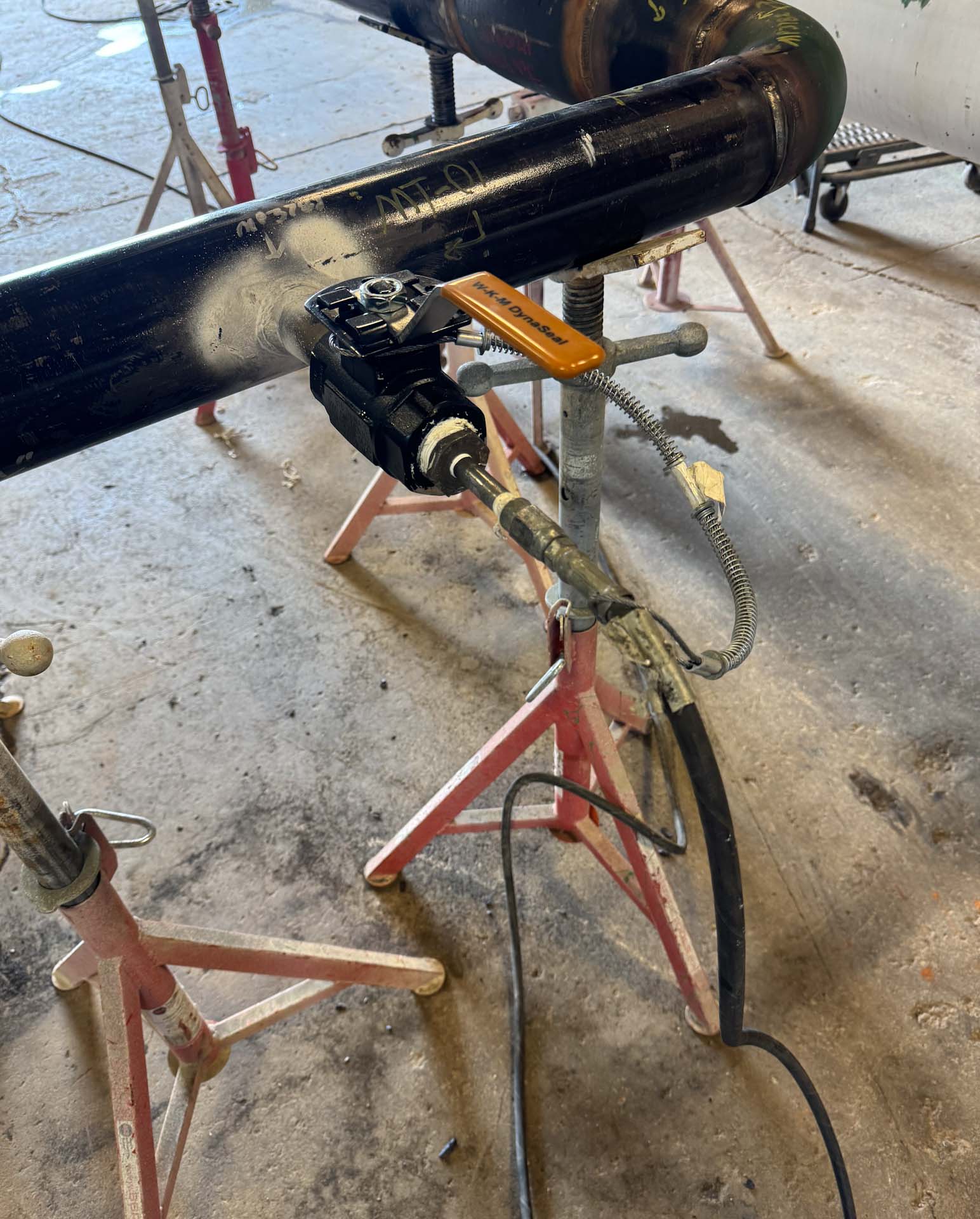
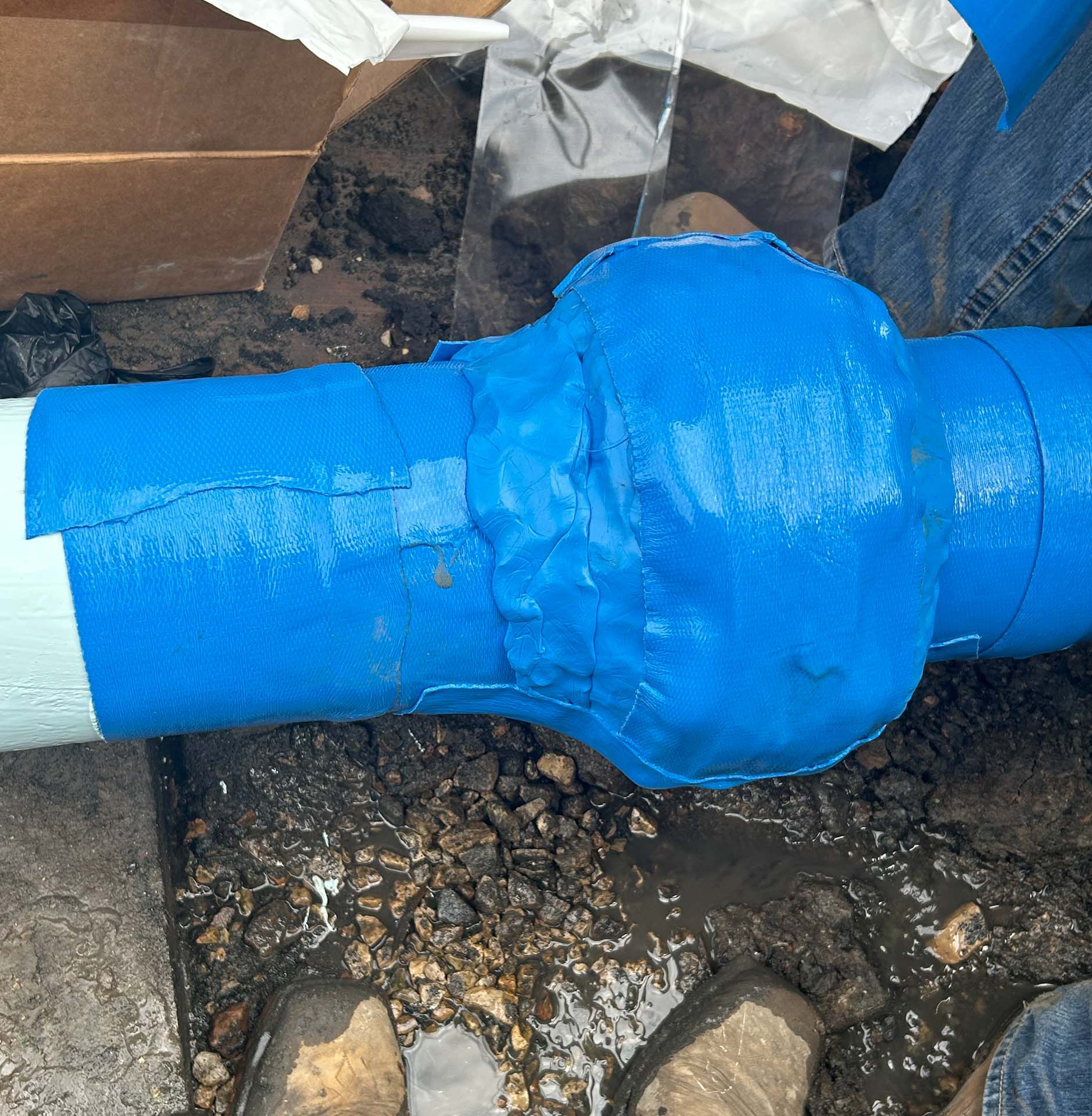
Hydro excavation was used to expose the piping around the existing accumulator tanks. Once exposed measurements were taken and isometric drawings were made. All the fabrication work took place in Midwestern Contractor’s shop in Elburn, IL. All fabricated components were X-rayed and hydrostatically tested.
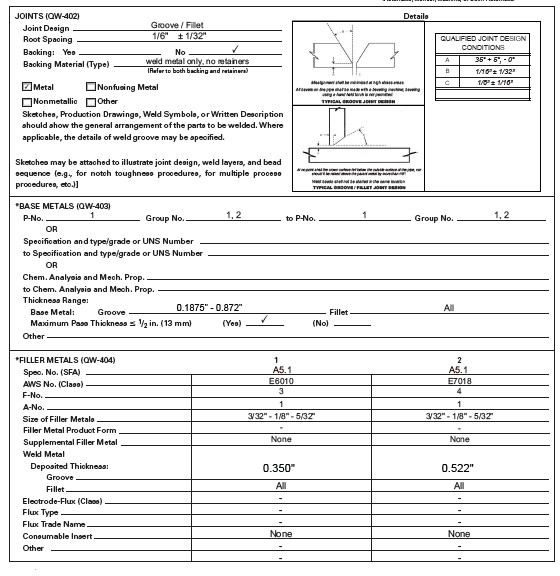
When the old accumulator tanks were removed, the vent pipe was cold cut and Carber plugs were inserted into the open pipe. New flanges were welded on and the piping reconnected. Given the slight negative pressure on the vent piping and working with operations, the Carber plugs were adequate to control the vapor during the welding process. However, welders and helpers were still required to wear full-body, Cat 3, fire resistant bunker suits and balaclava hoods. The welding procedure specified the requirements for pre-heating, filler material, amperage, qualified joint design, and rod diameters, (see chart).
A bypass to the old flare was created near the new accumulator. The LPG vapor was routed to the old flare while the new accumulator, blower and flare stack was constructed, along with sensors and control wiring. Testing and commissioning included adjustments to the blower to provide sufficient air for complete combustion depending upon the mix of hydrocarbons being vented.
Pipefitting and welding in LPG storage facilities requires a high degree of safety awareness, preplanning, and proper execution to complete a project. Coordinating with plant operations and clear communication are essential elements to a successful outcome.
Midwestern Contractors have completed civil, piping, and maintenance projects in LPG facilities over the decades we have been in business. This experience is part of our safety and project management culture. It is the reason we execute rack piping, vapor collection, flare work, and piping modification successfully without safety incidents.
CLICK FOR IMAGE