
Rolling terrain, snow and rain created challenges meeting the schedule of completing five cut outs in 4 days.
Cut Outs on a High Pressure Petroleum Pipeline
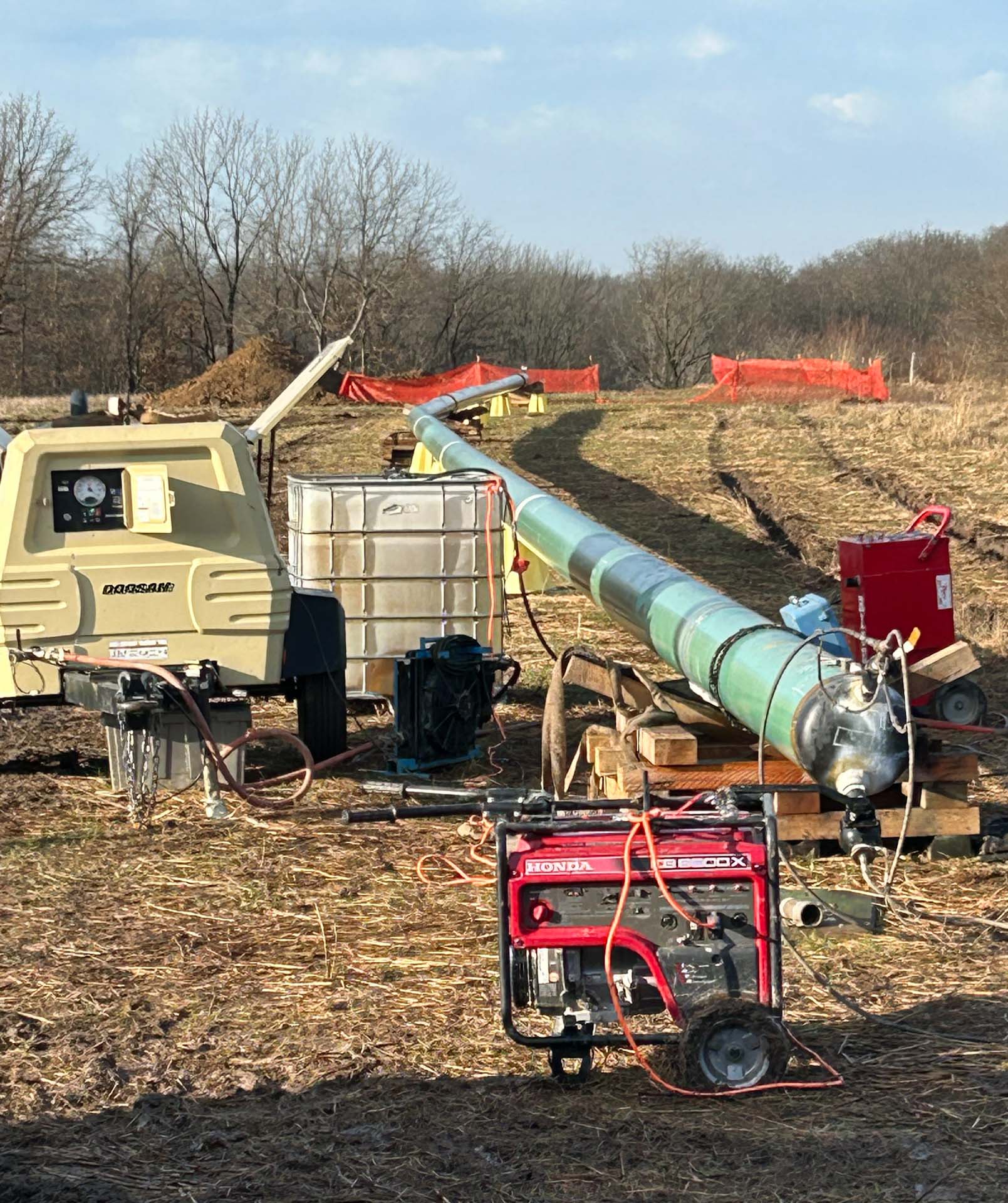
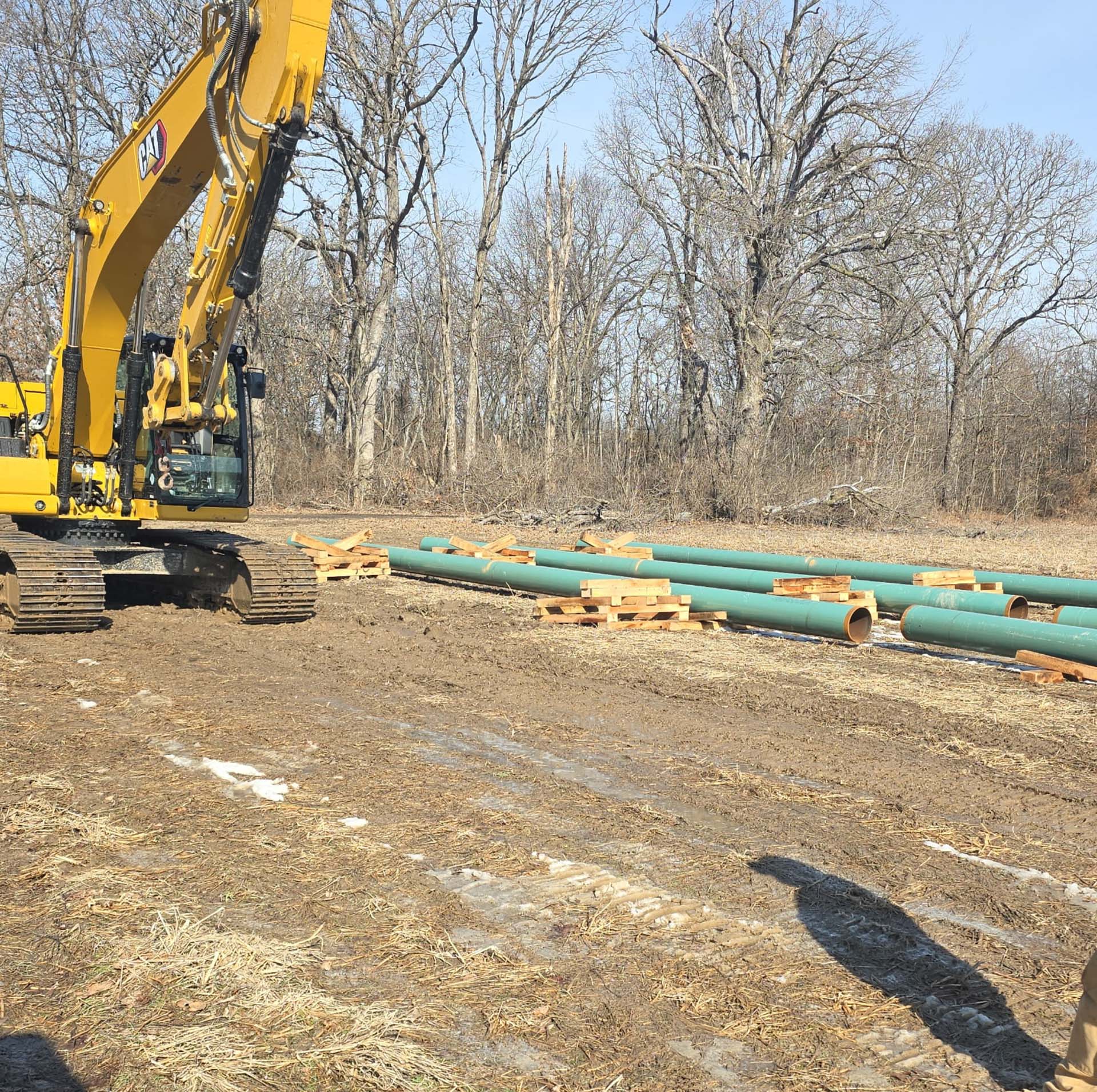
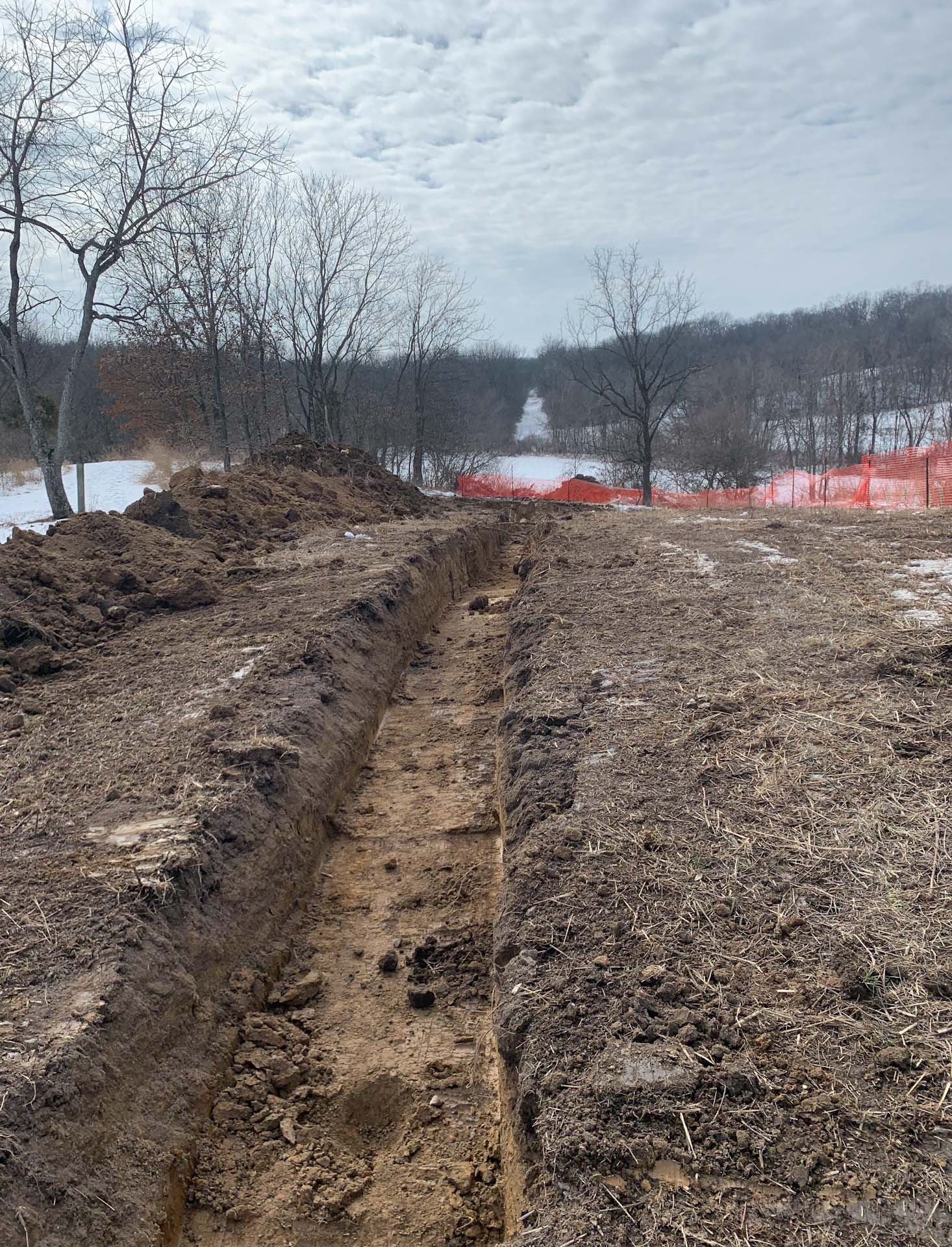
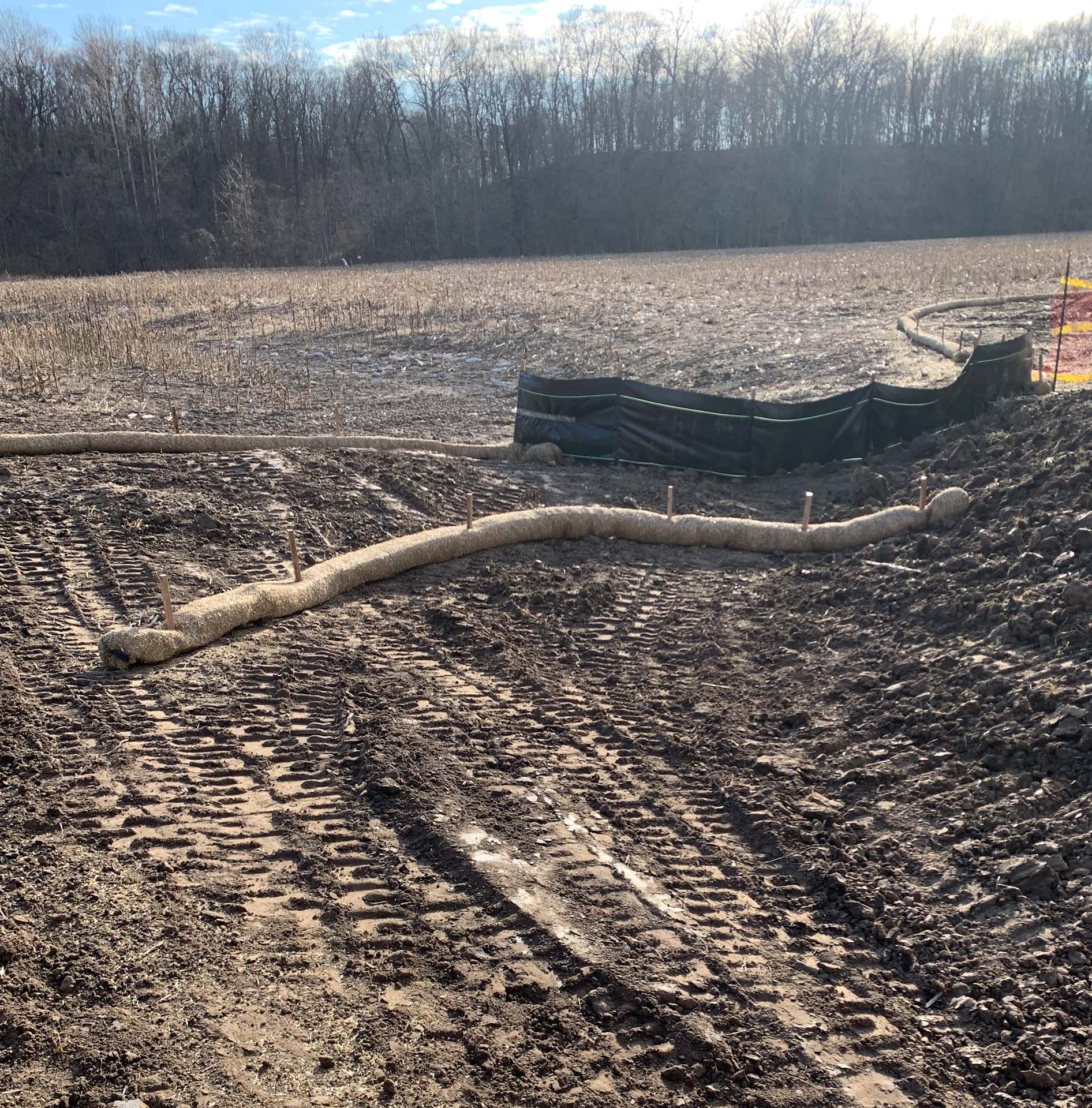
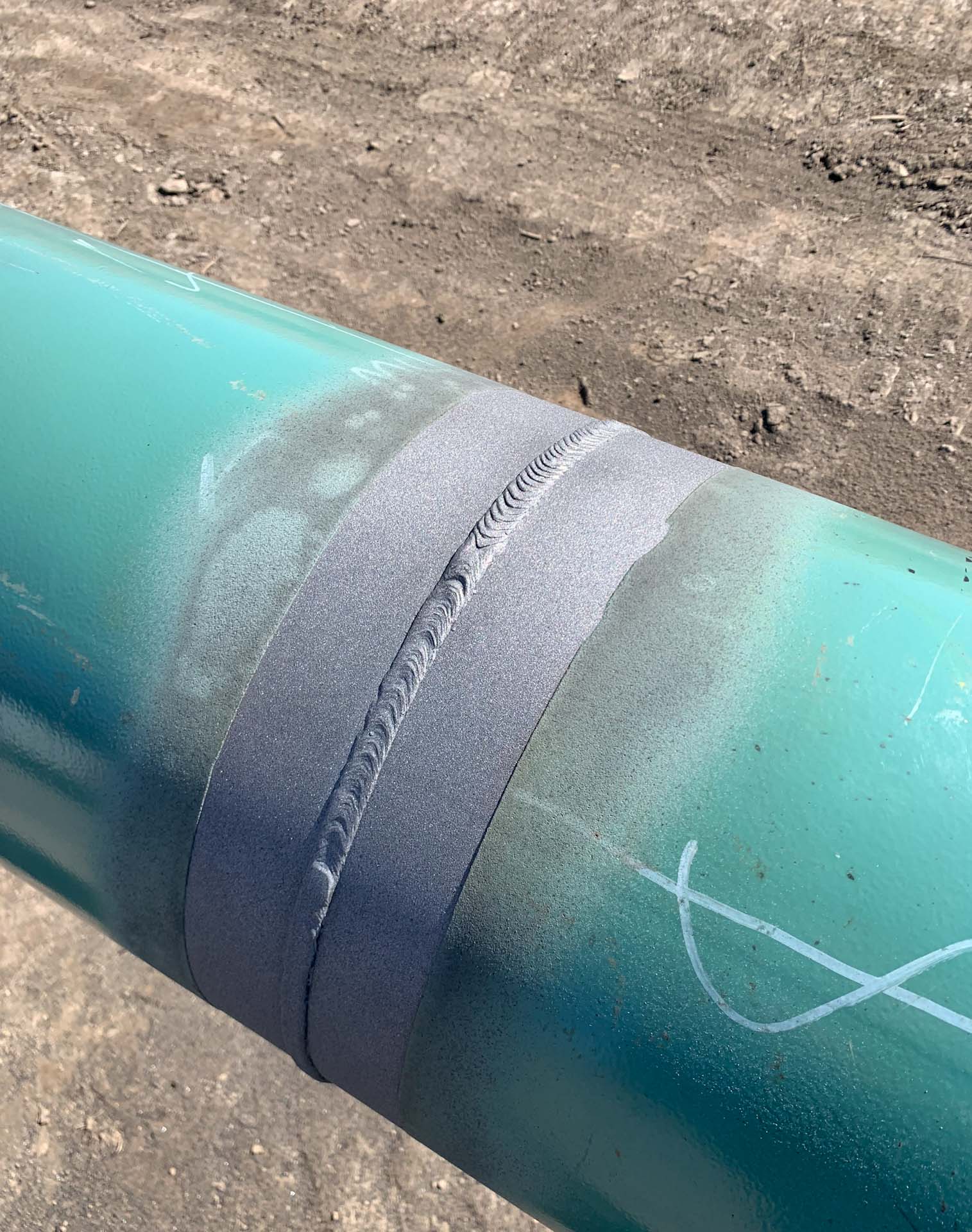
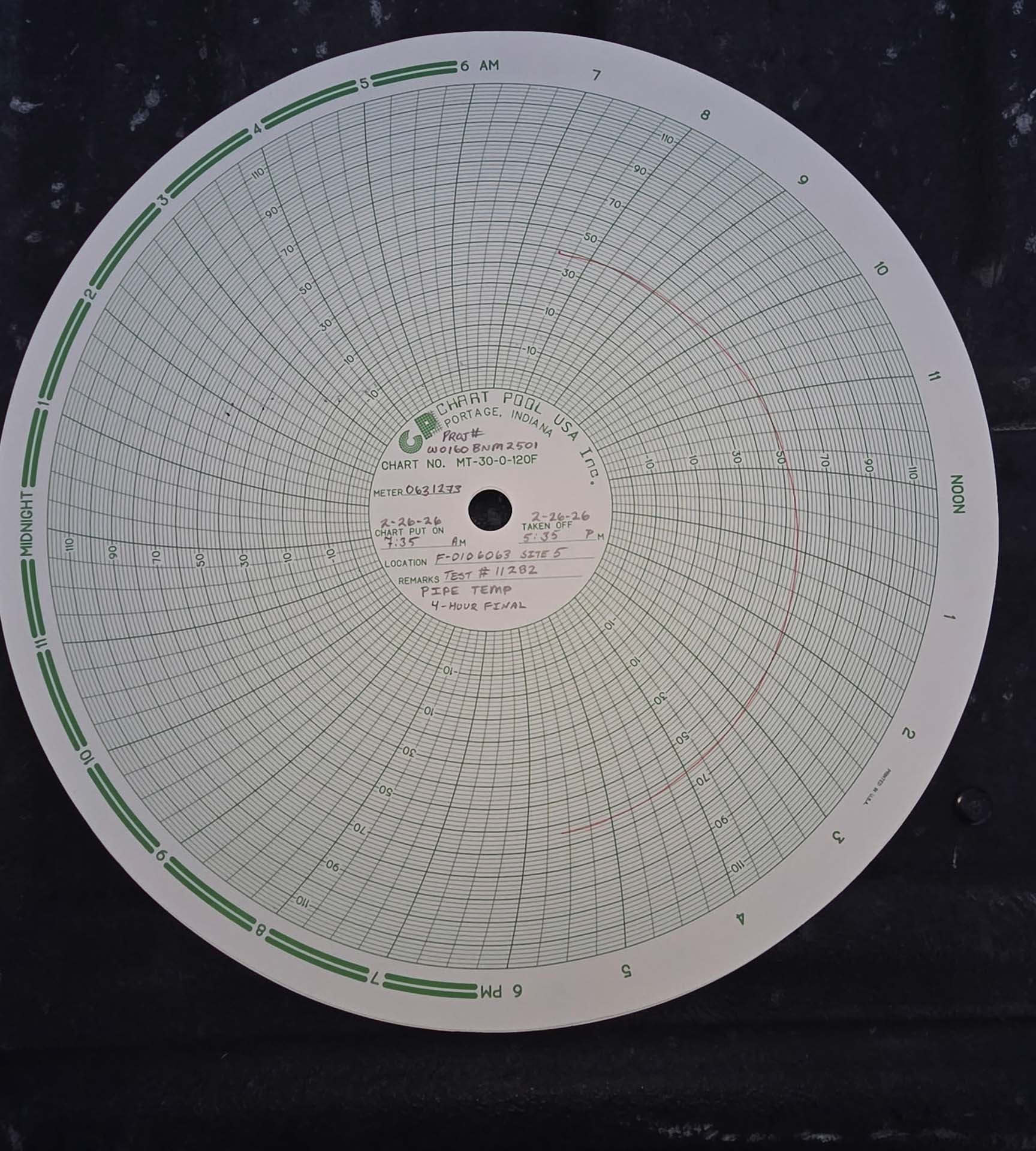
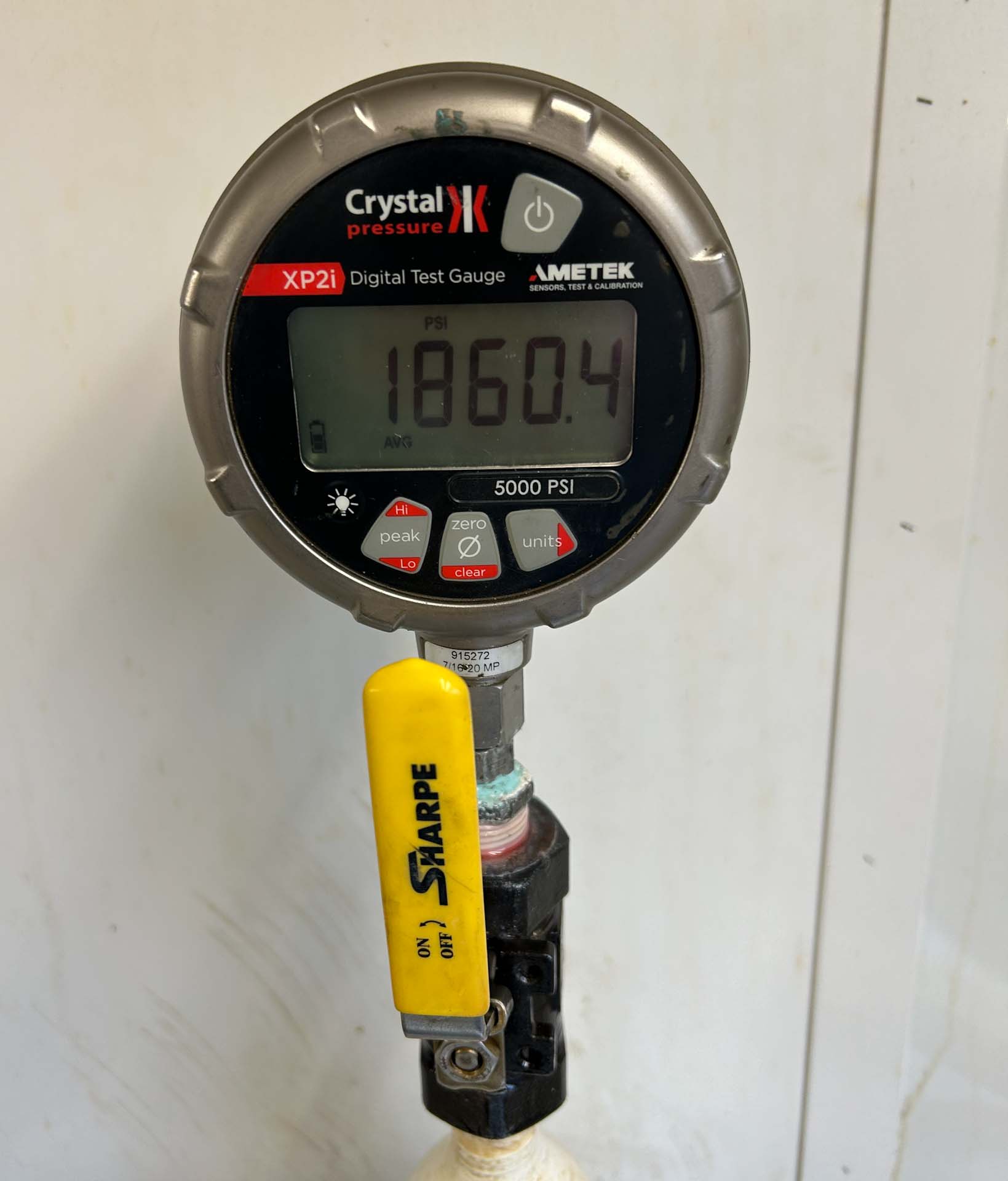
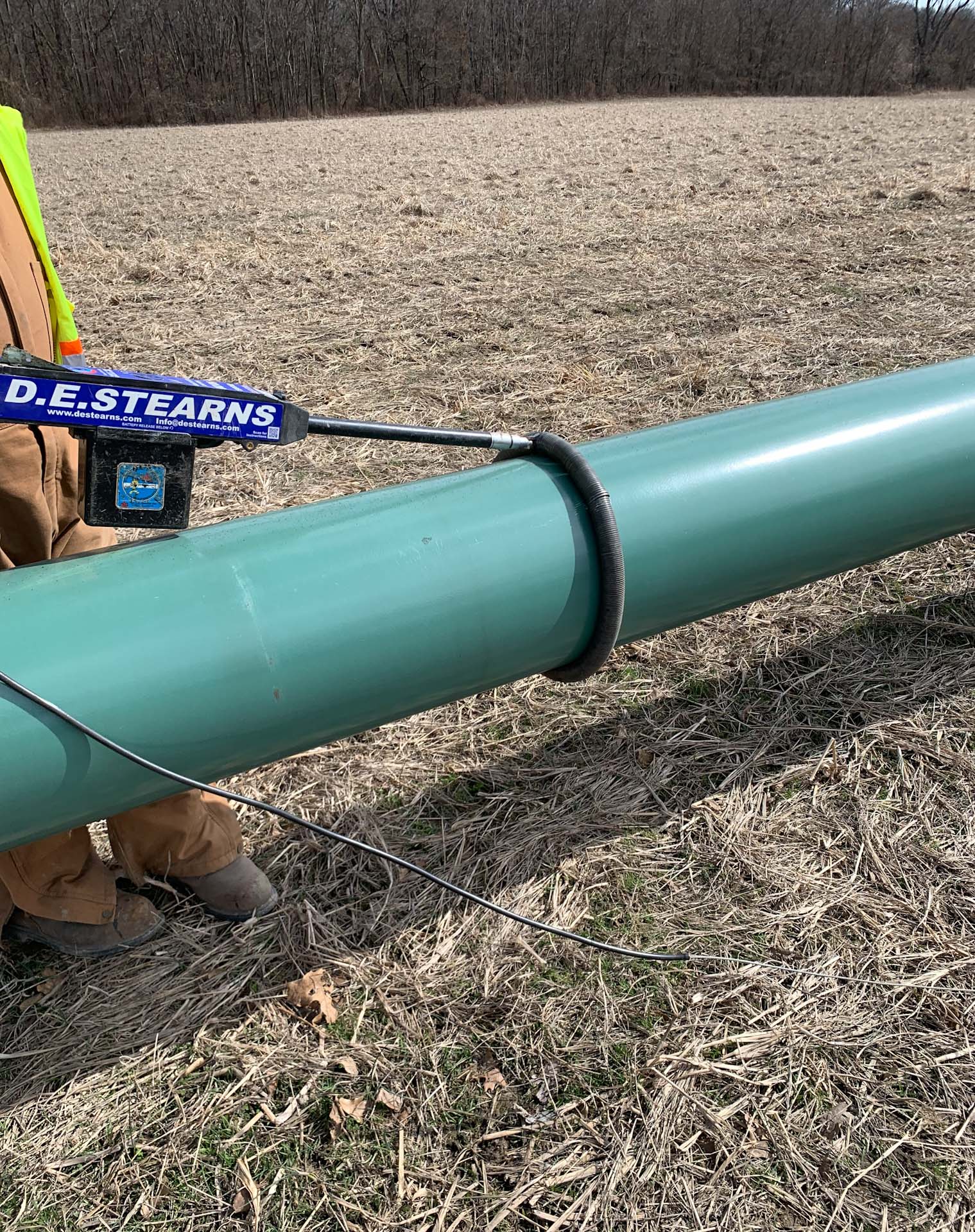
Midwestern Contractors (MWC) was tasked with replacing five segments of a 14” high-pressure petroleum pipeline identified as having anomalies during an ILI inspection. The five sections totaled 1,897 feet (870’, 215’, 131’, 566’, and 115’) and required cut-out and replacement during a six-day outage. The operational work was constrained to a four-day window, with the first and last days reserved for drain-up and refill. Project requirements included nondestructive testing (NDT) on all welds, including tie-in welds, and hydrostatic tests for each new segment. Post-construction restoration was also required, involving topsoil segregation, regrading, stream bank protection with riprap, and erosion control using silt fence, grass seed, straw, and straw matting.
The Challenge
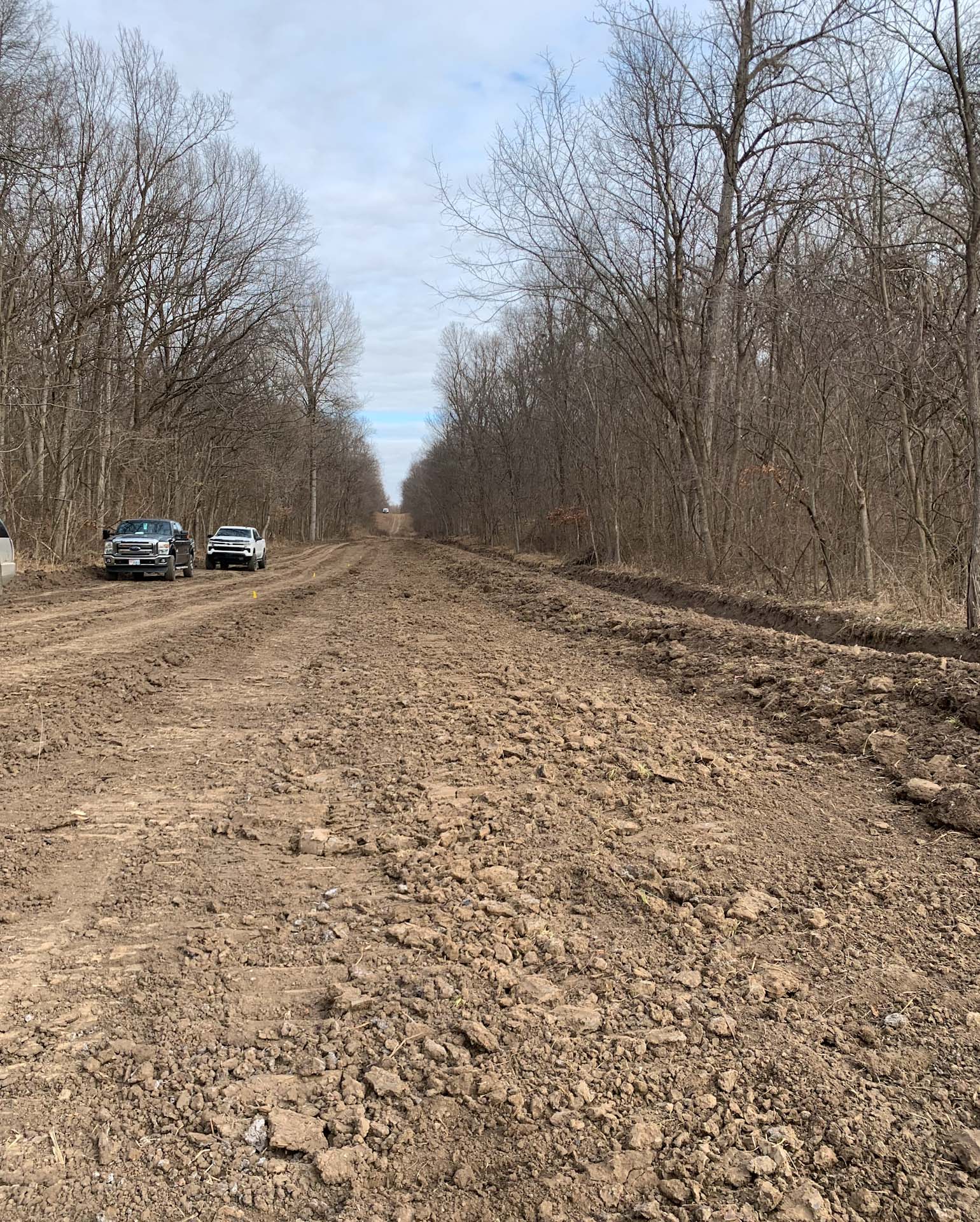
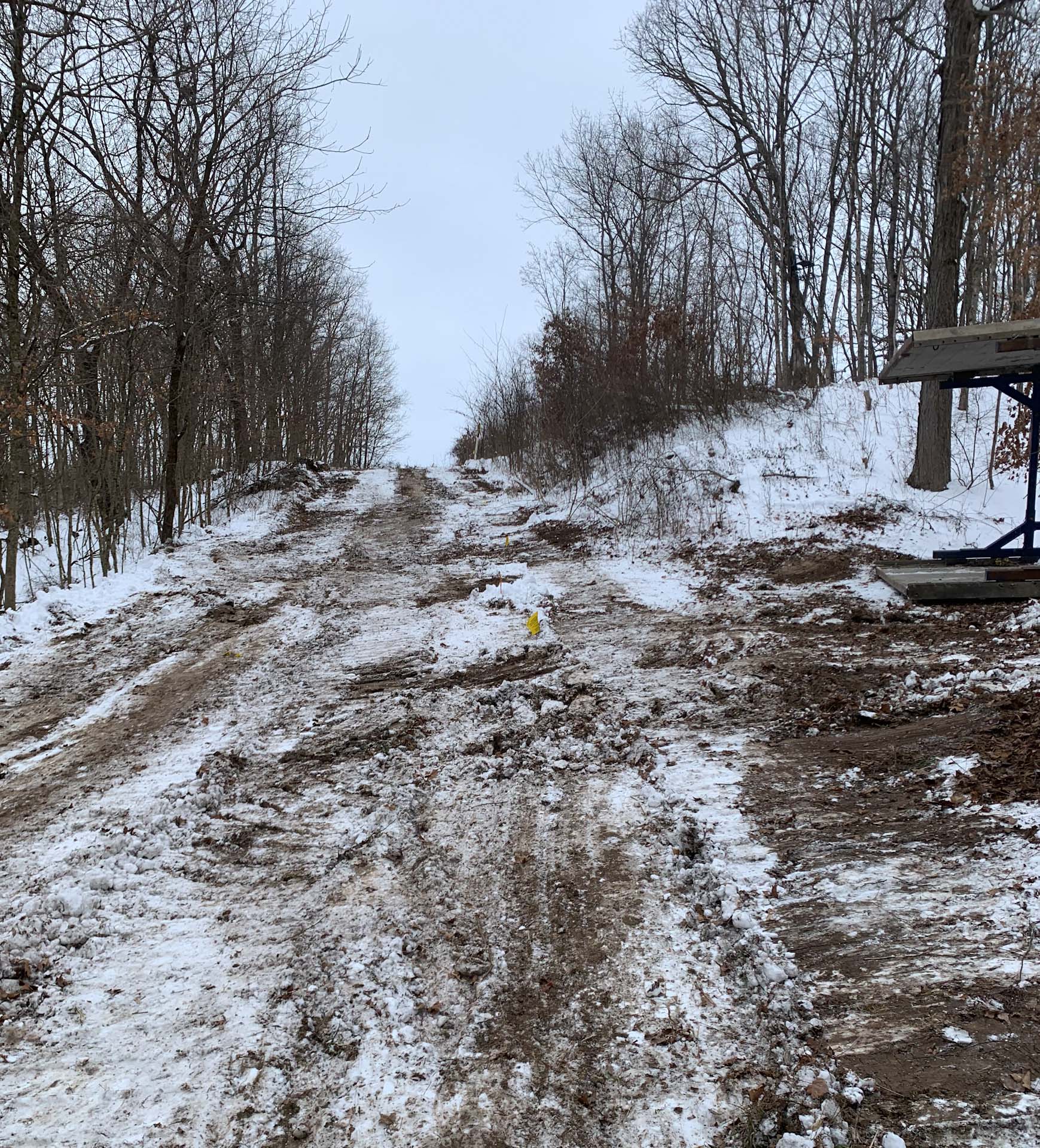
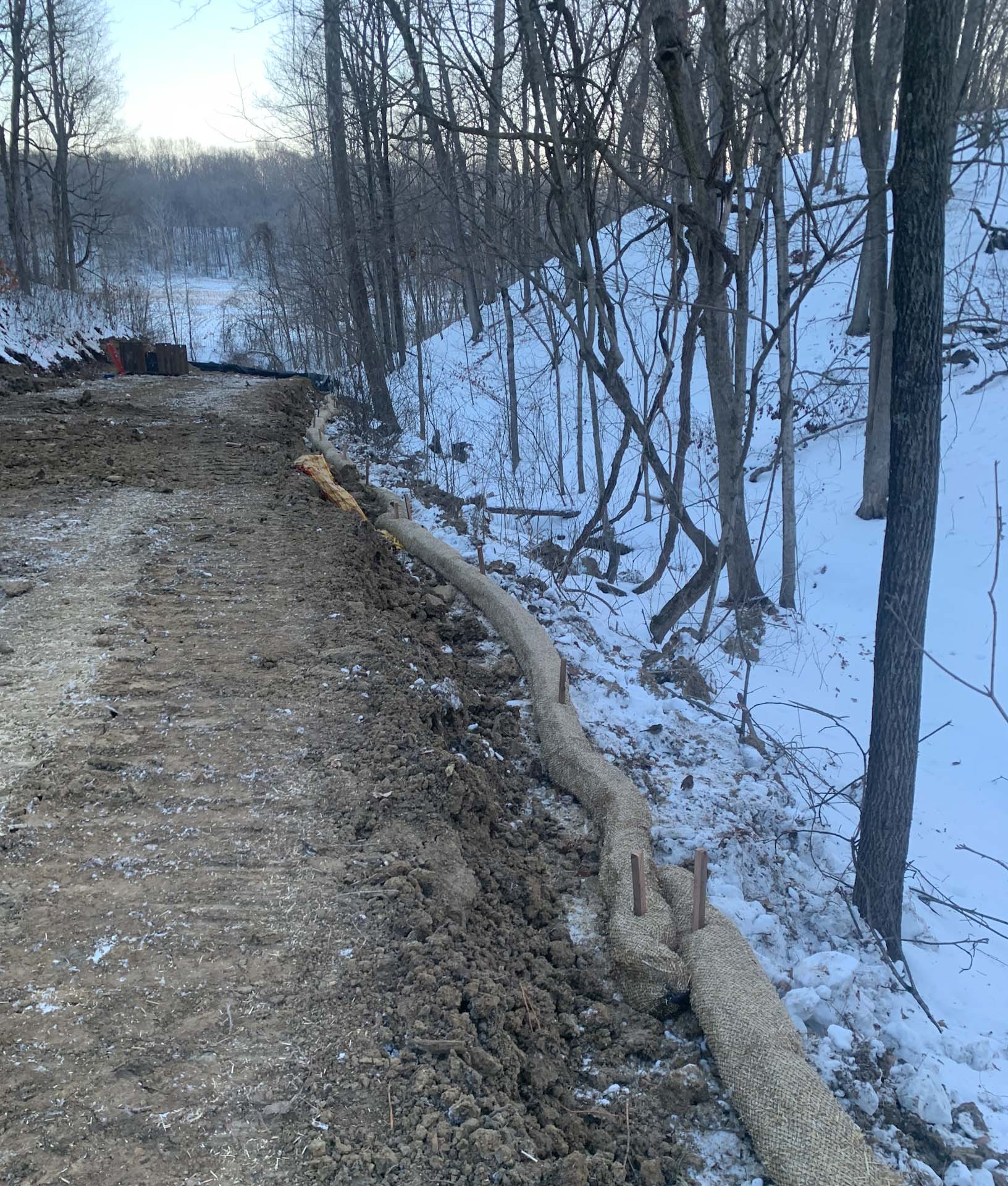
The project's primary difficulties were terrain and weather. The pipeline ran through rolling hardwood forested hills and agricultural fields, with slopes exceeding 20%.
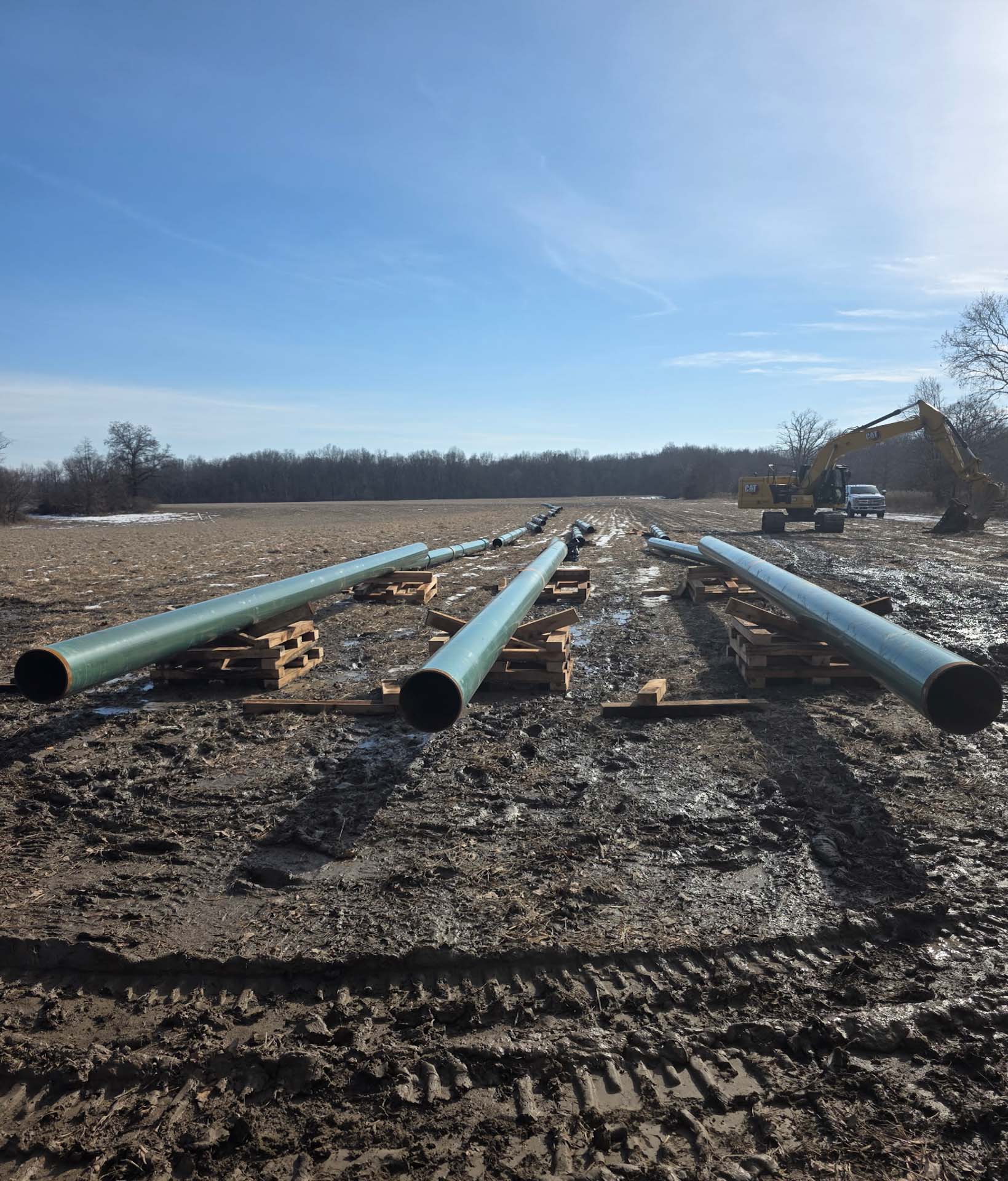
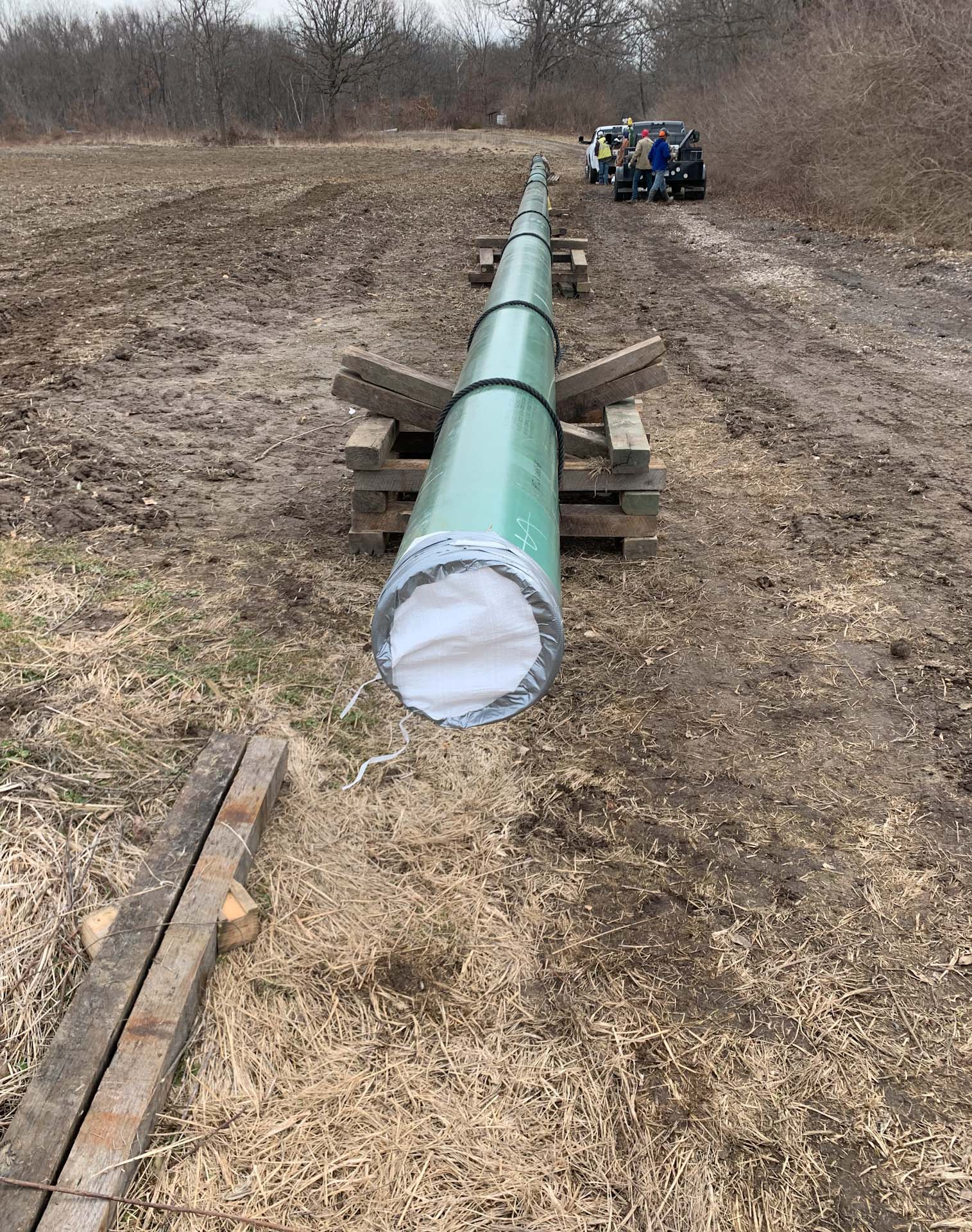
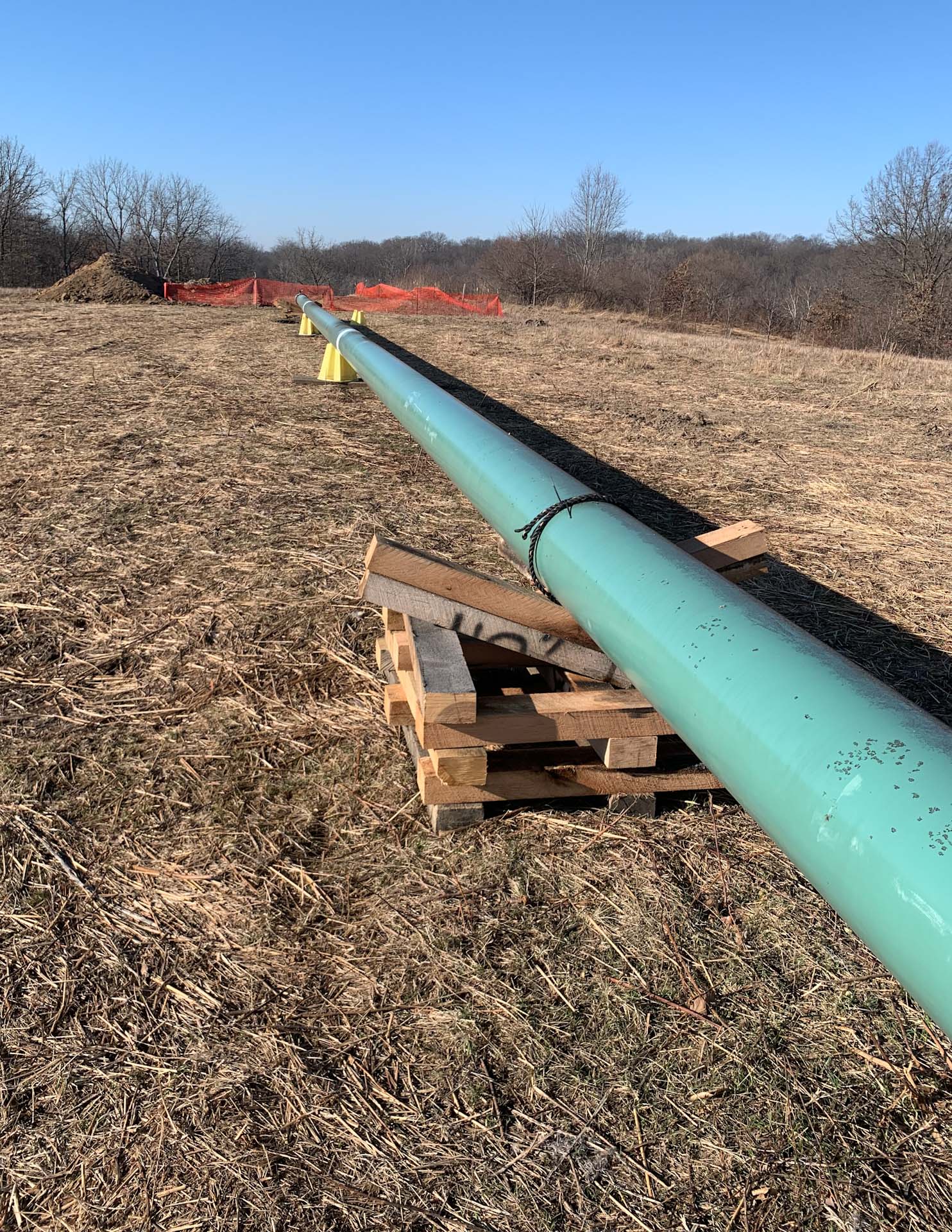
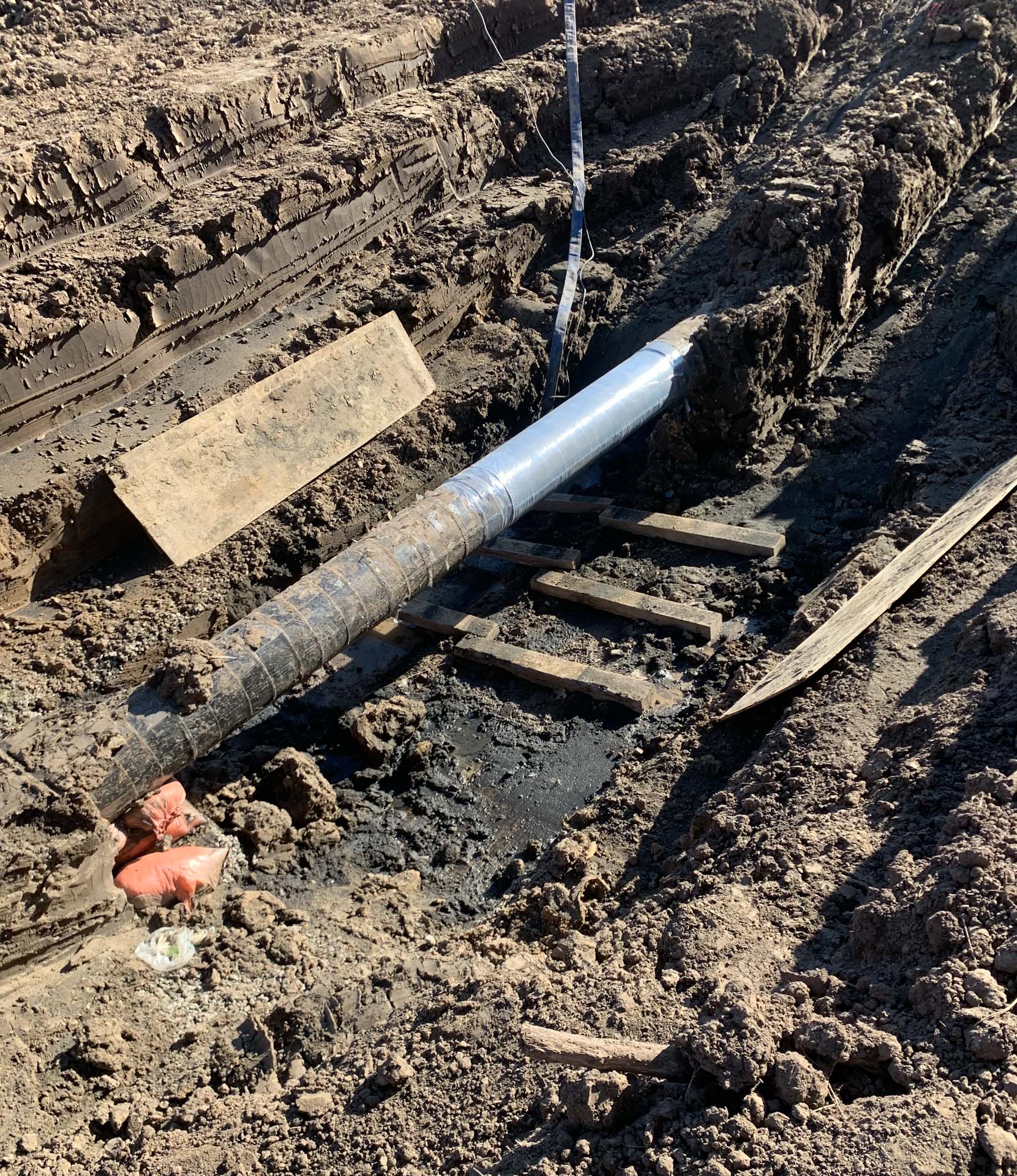
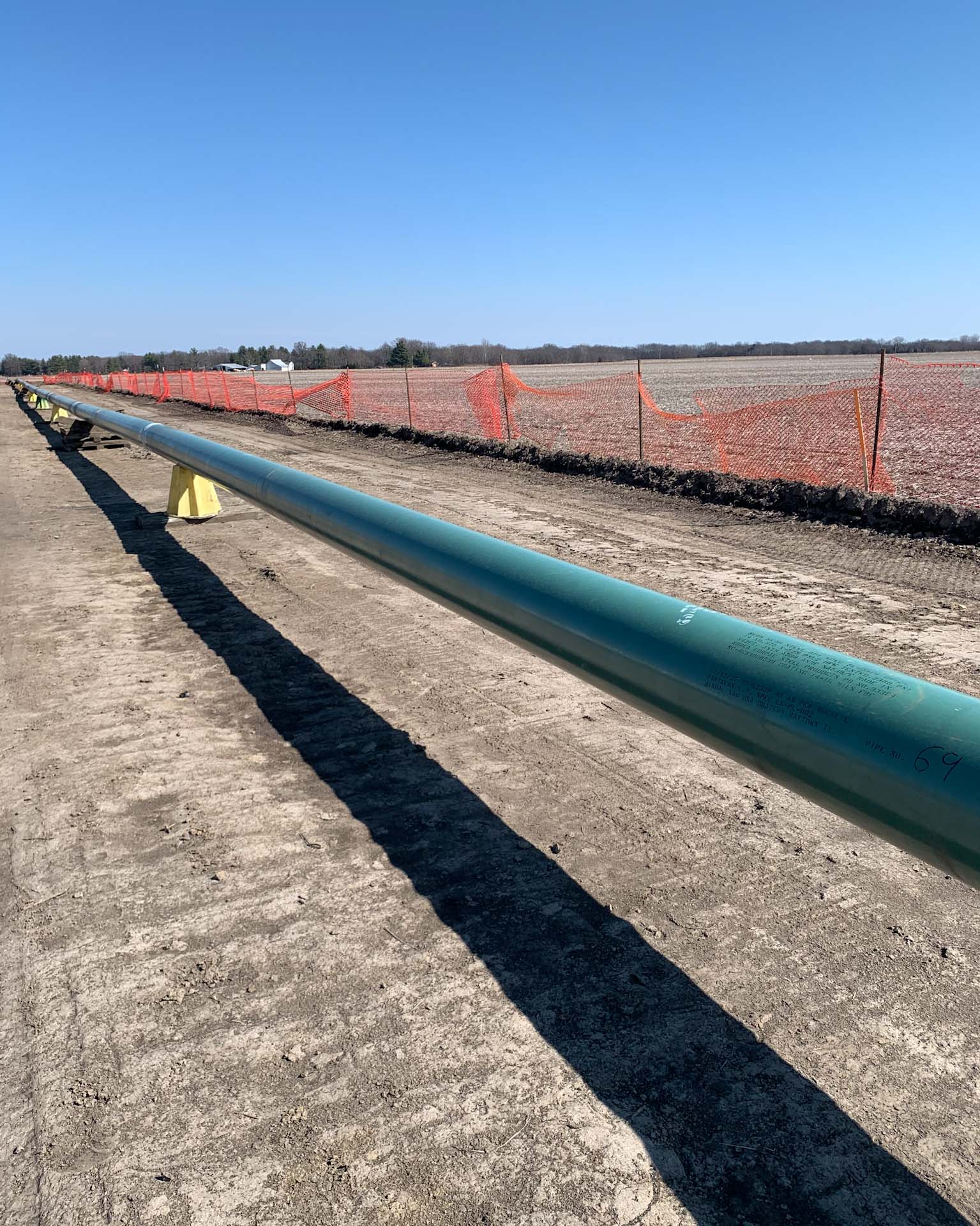
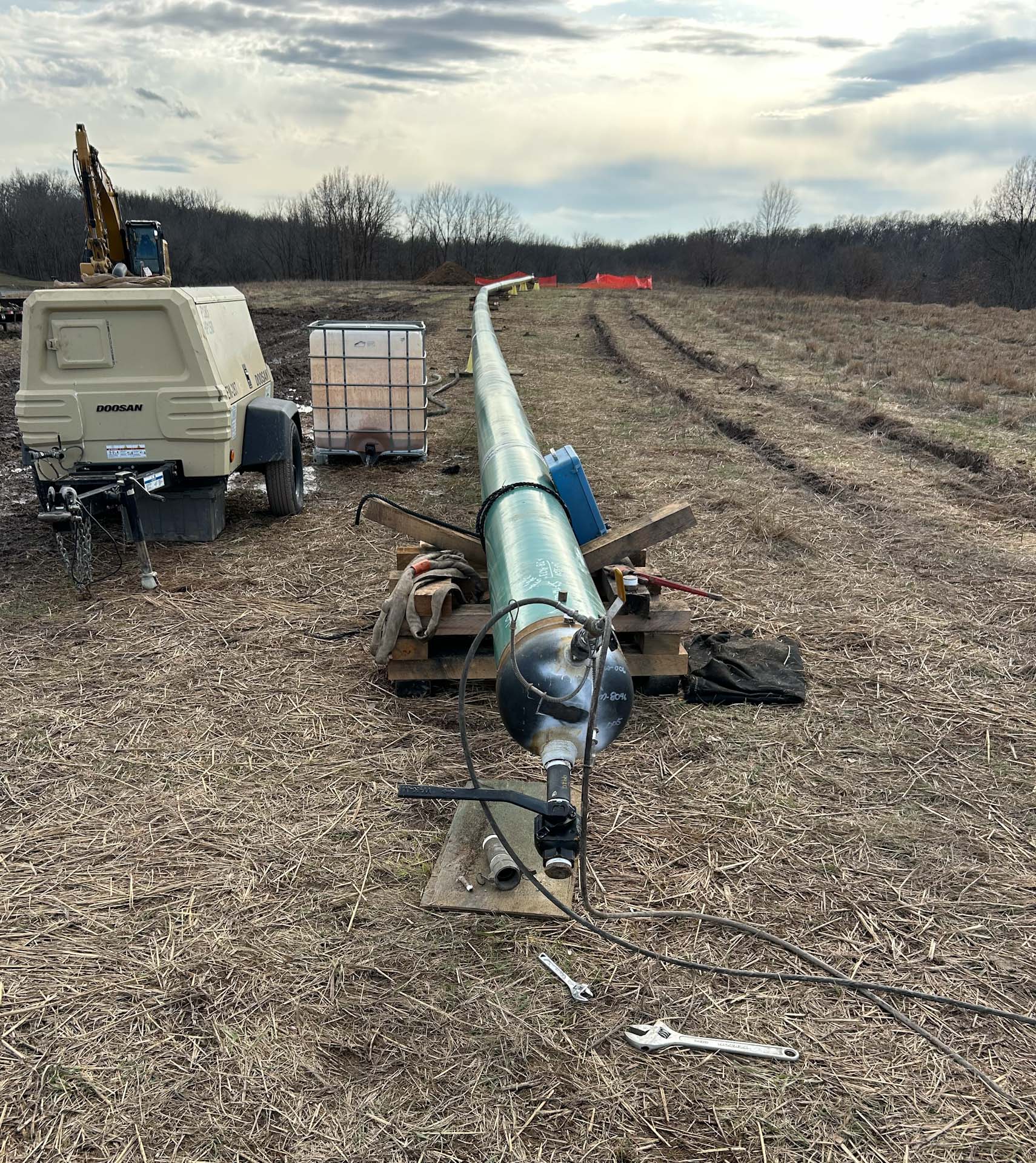
- Logistical Complexity: Two of the five cut-out locations were remotely situated two miles off the main access road, accessible only via the right-of-way (ROW). This necessitated fabricating and hydrostatically testing the 600-foot pipe strings near the access road before using three track hoes to "walk" the string into its final position.
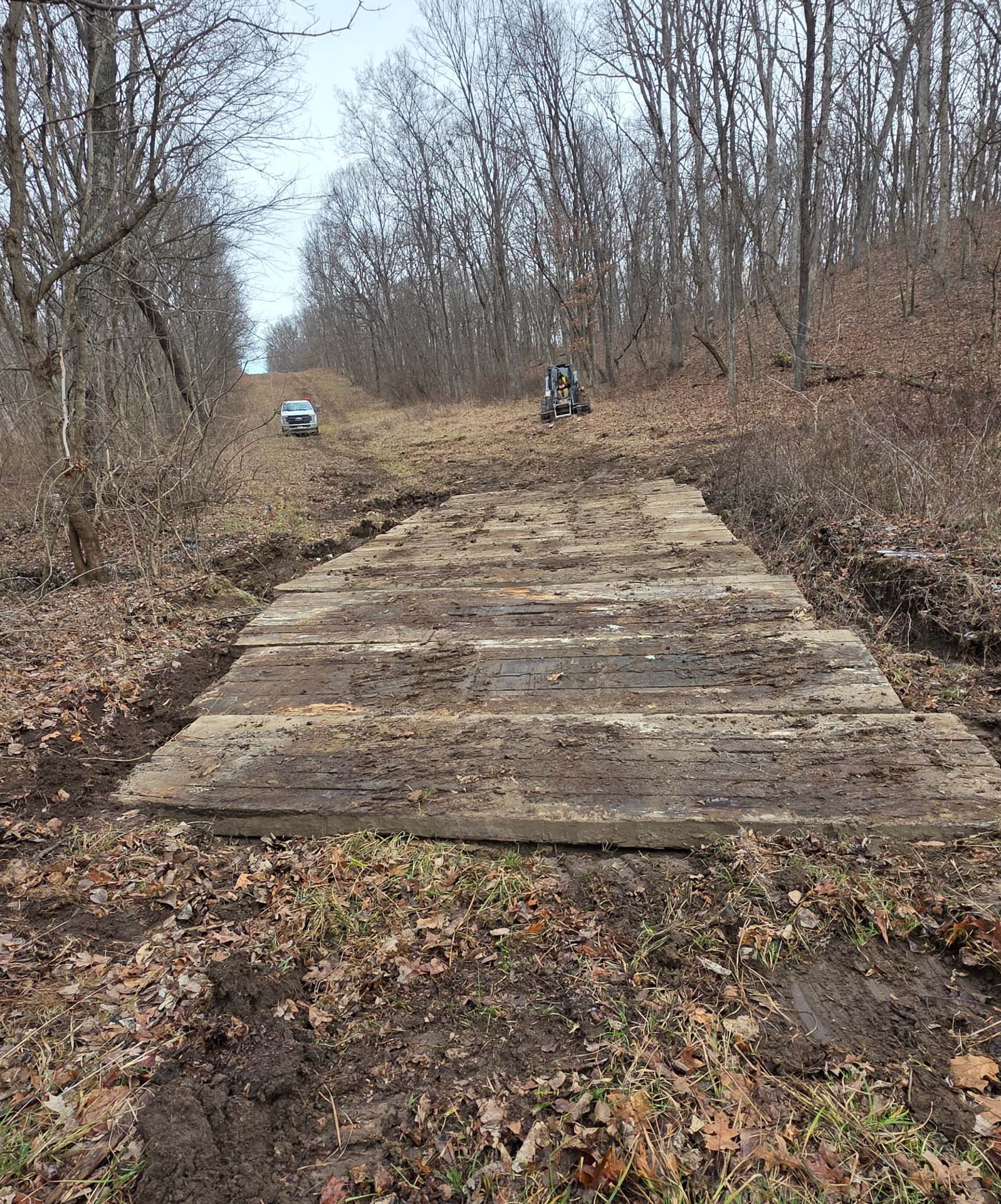
- Weather Impact: Spring thunderstorms and rain made the ROW slick, severely impeding access and slowing production.
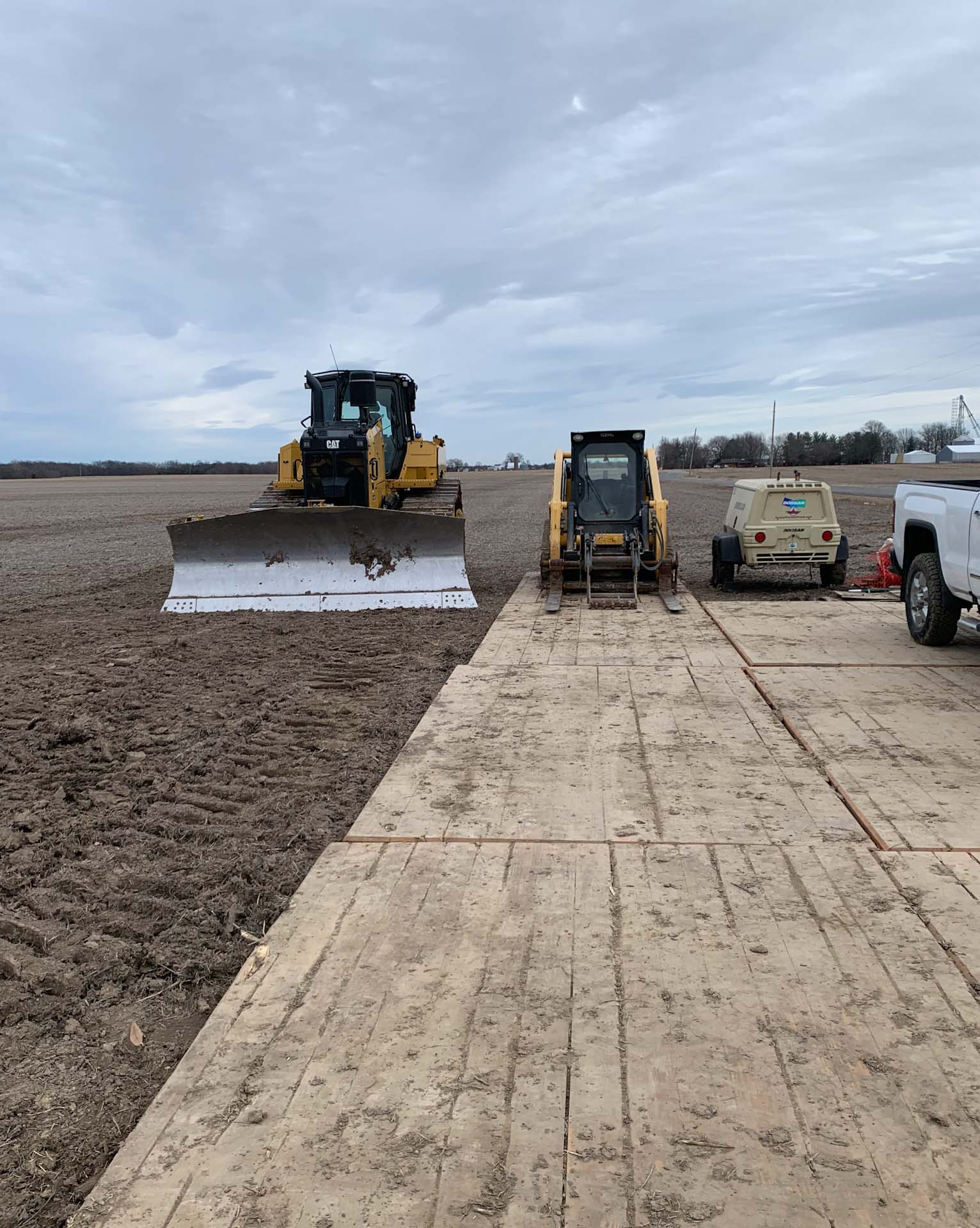
- Safety and Maintenance: A CAT track layer was required to clean up the muddy ROW and assist in moving equipment. The slick conditions also created slip and trip hazards for the crew.
Click on any image to expand and run slide deck
The project's primary difficulties were terrain and weather. The pipeline ran through rolling hardwood forested hills and agricultural fields, with slopes exceeding 20%.
- Logistical Complexity: Two of the five cut-out locations were remotely situated two miles off the main access road, accessible only via the right-of-way (ROW). This necessitated fabricating and hydrostatically testing the 600-foot pipe strings near the access road before using three track hoes to "walk" the string into its final position.
- Weather Impact: Spring thunderstorms and rain made the ROW slick, severely impeding access and slowing production.
- Safety and Maintenance: A CAT track layer was required to clean up the muddy ROW and assist in moving equipment. The slick conditions also created slip and trip hazards for the crew.
Construction Strategy
To manage the tight four-day construction window and the difficult coordination, MWC implemented a strategic approach:
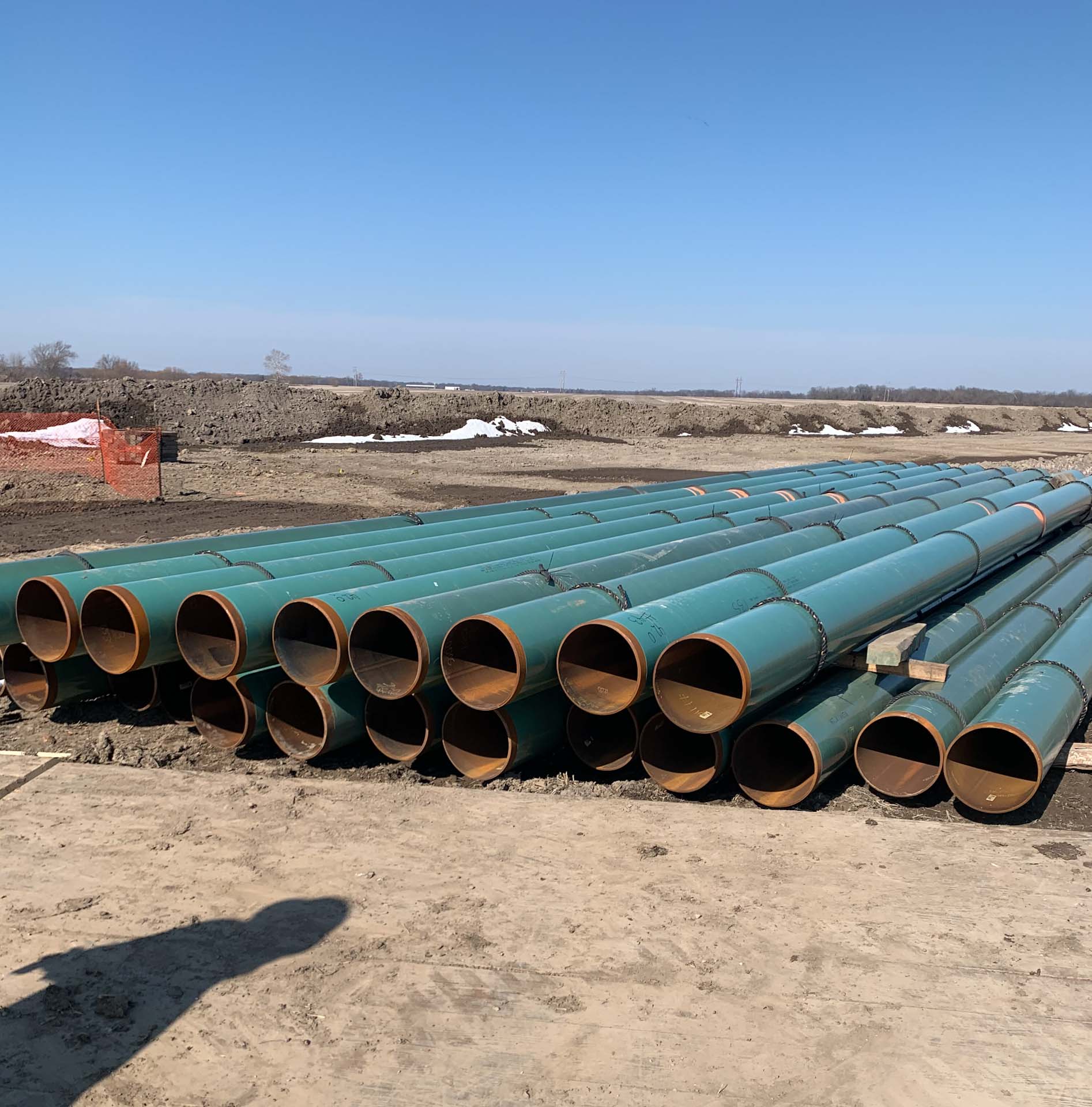
- Fabrication Logistics: The laydown yard and welding areas were kept near the main access road to optimize fabrication speed, with all segments fabricated x-rayed and hydrostatically tested near their respective cutout locations.
- Crew Dedication: Three separate crews were utilized, with one crew entirely devoted to the most challenging 566’ section that required the two-mile move down the ROW.
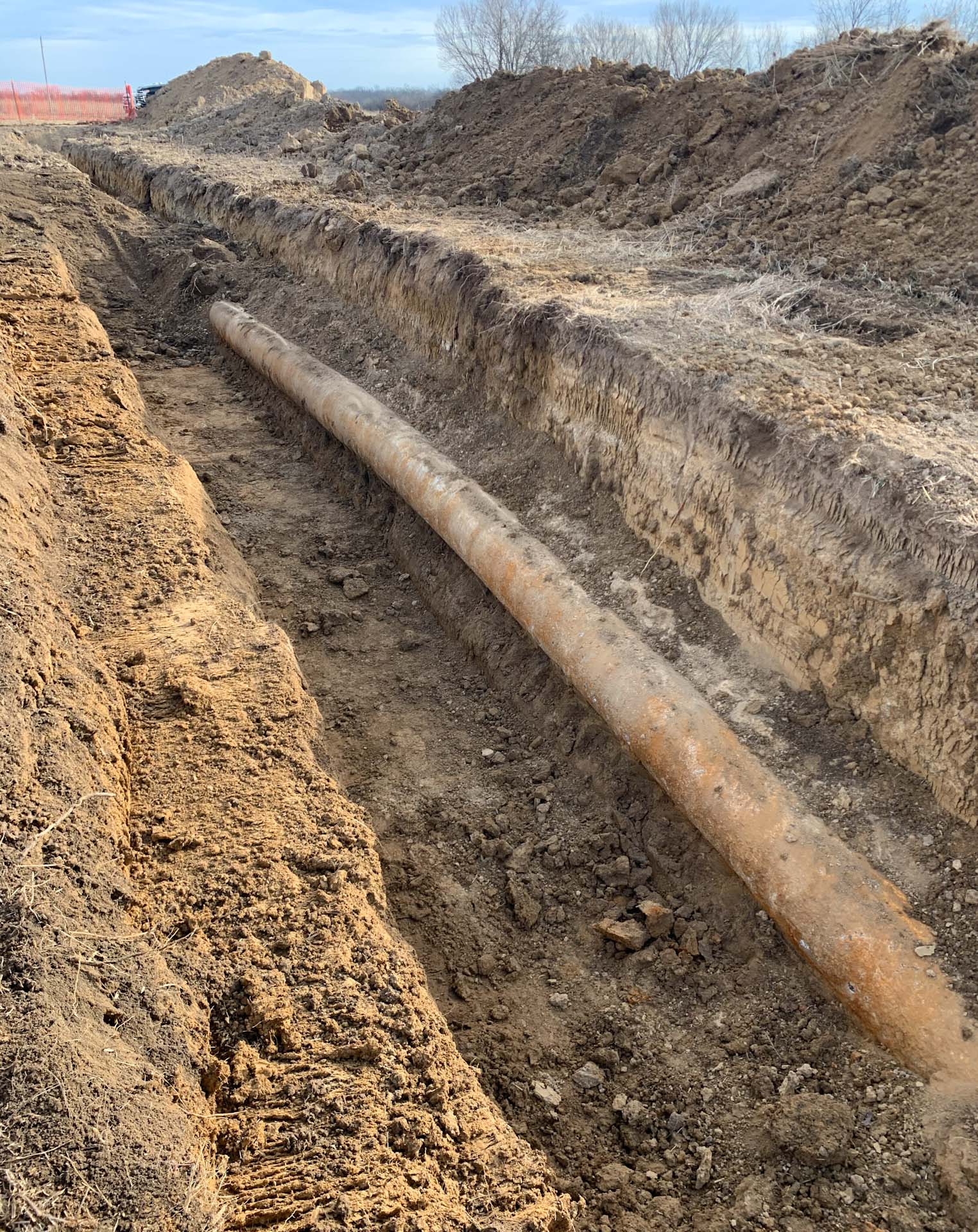
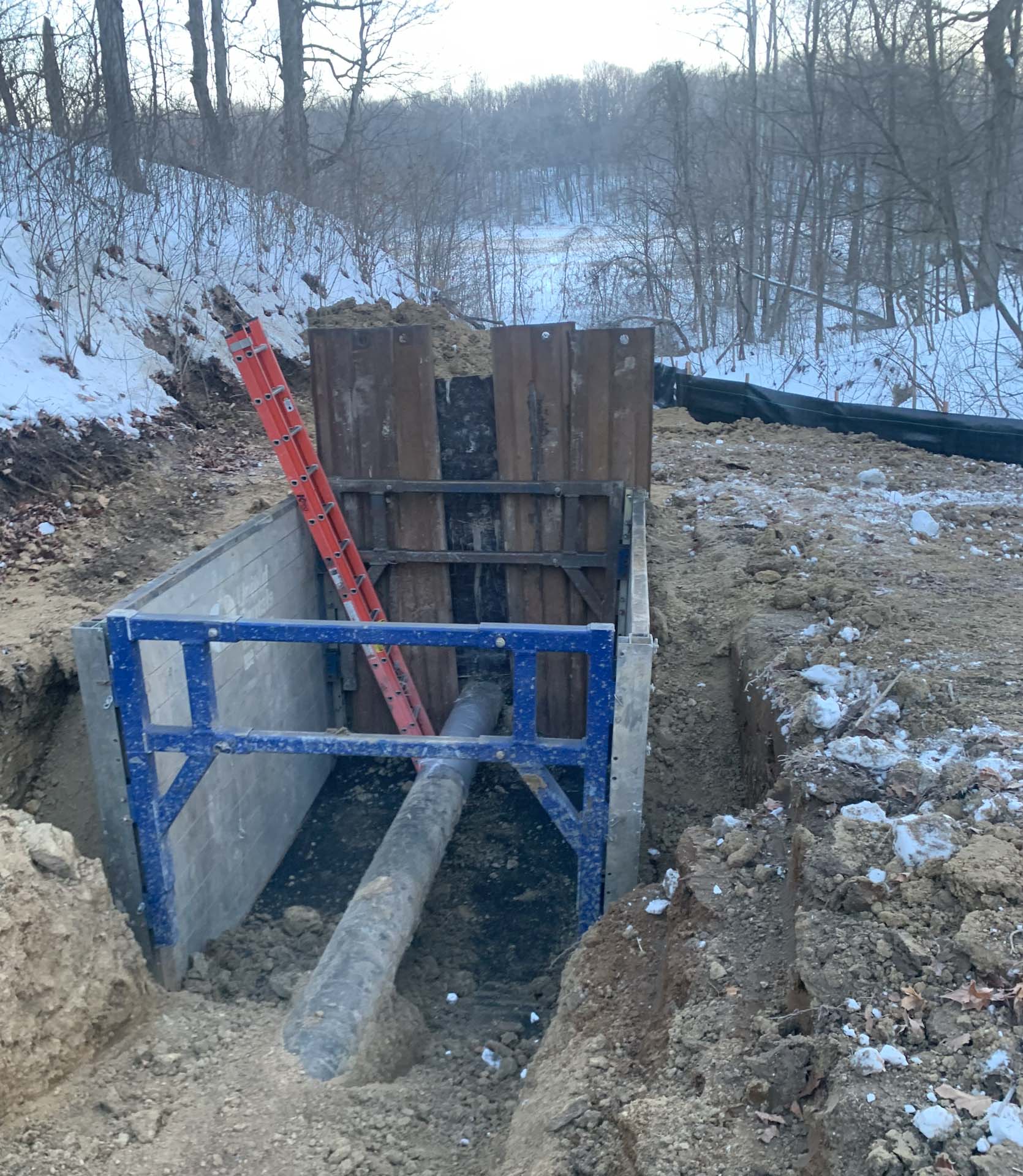
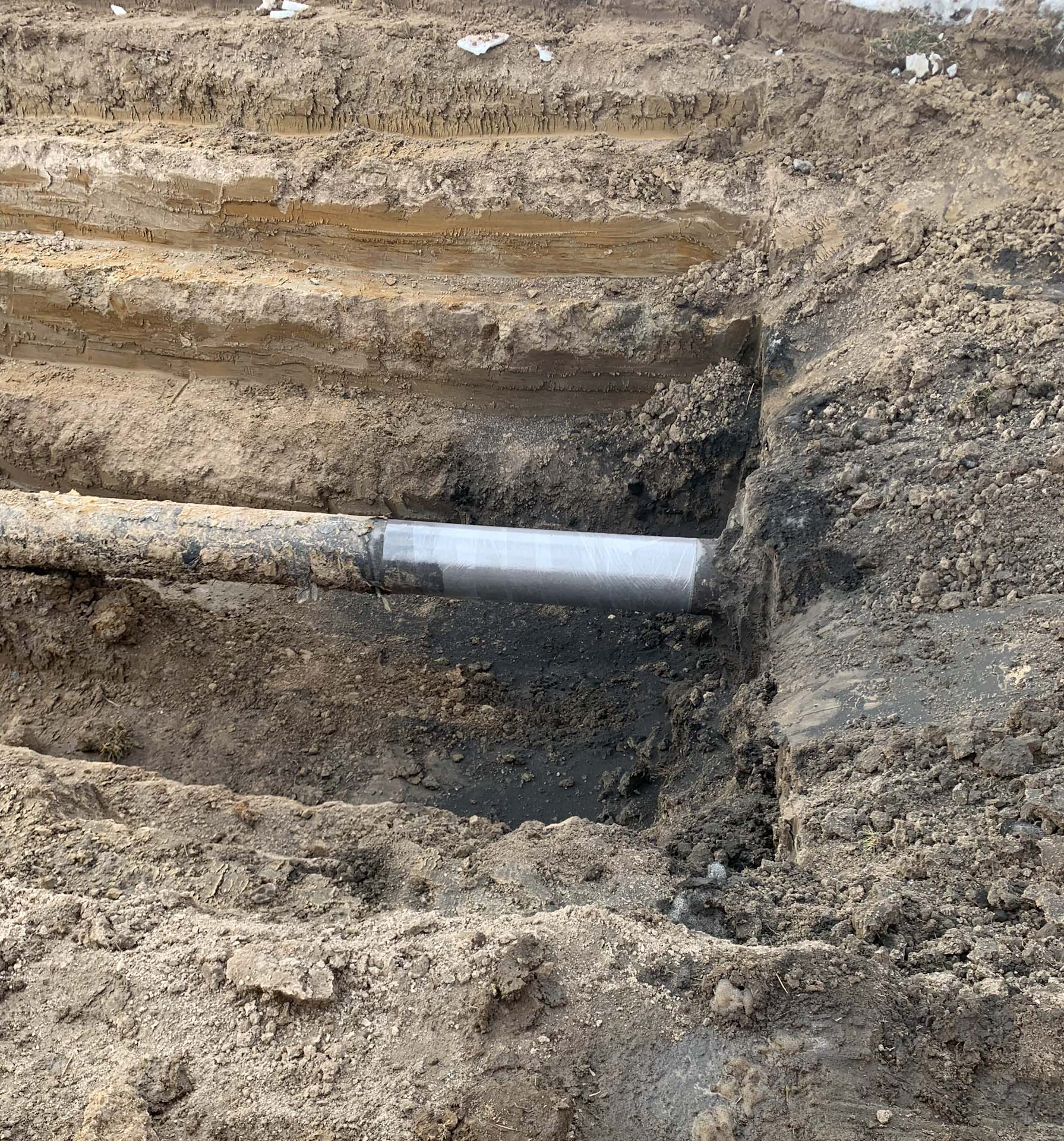
- Execution Process: The existing pipe was excavated, and bell-holes were dug at the tie-in points. The tie-in points were then identified, stripped, and sandblasted in preparation for cold cutting. Once the outage was active, all five pipe sections were cut out. MWC then roped in the new sections, aligned, clamped, and welded them to the tie-in points. After NDT was completed, the line was pressurized, and product flow began.
Project Completion
The construction was successfully completed within the four-day window, demonstrating that the task was manageable despite the challenges.
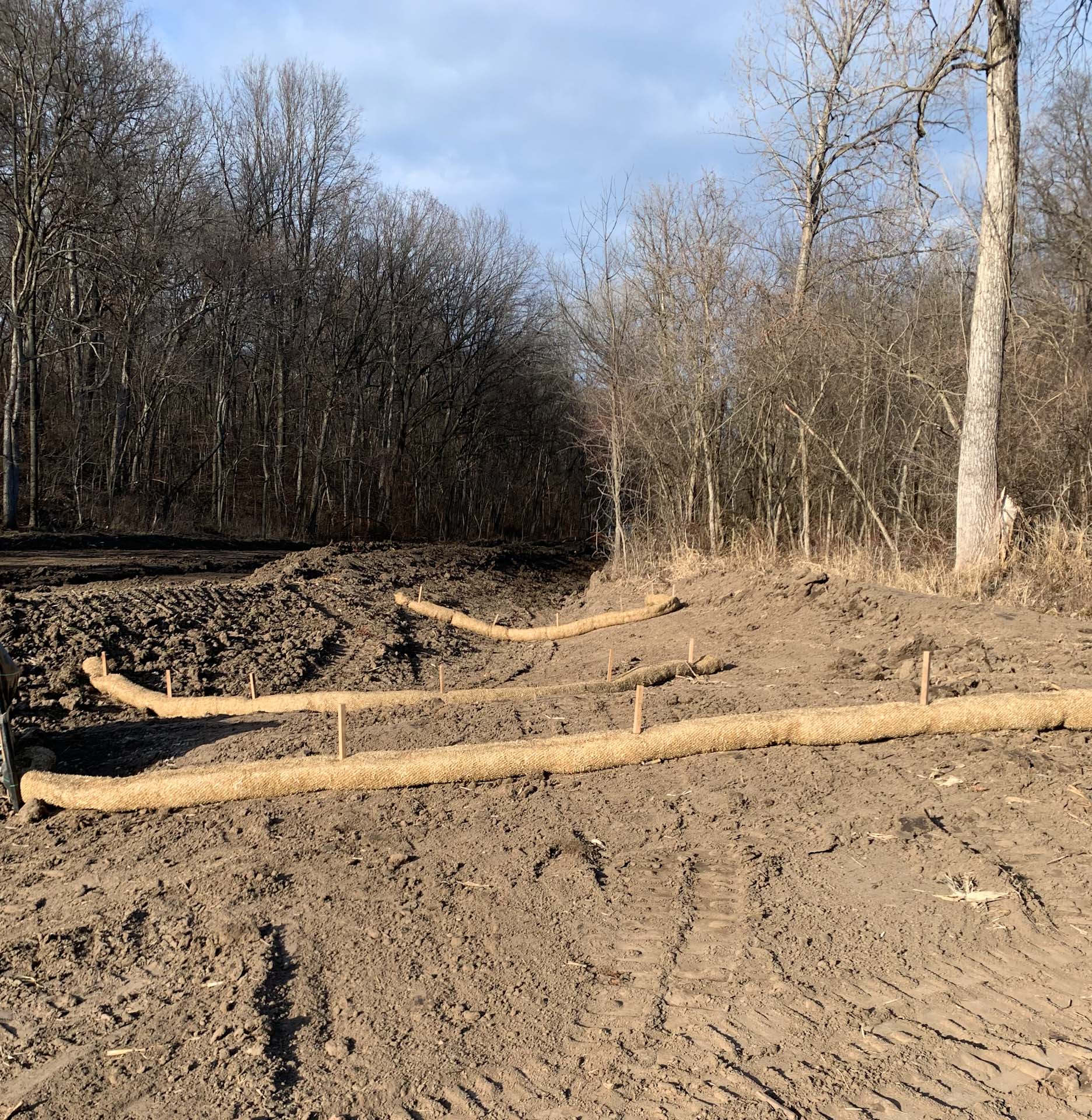
- Restoration: Following successful installation, open trenches were backfilled. The ROW was contoured in certain sections to create shallow angles and decrease runoff velocity. A stream crossing was reinforced with riprap. All topsoil was replaced, and the site was restored with grass seed covered by straw or straw matting to hold moisture and prevent erosion. The silt fence was then removed, and the site was cleaned before demobilization.
Summary
By dedicating three crews and assigning one crew specifically to the most logistically demanding cut-out, MWC was able to successfully overcome the project's biggest challenges: terrain and weather. The strategic approach ensured the high-pressure pipeline replacement was completed safely and within the scheduled outage window.
For your next pipeline project consider Midwestern Contractors to bring a managed, turnkey approach to completing your work.