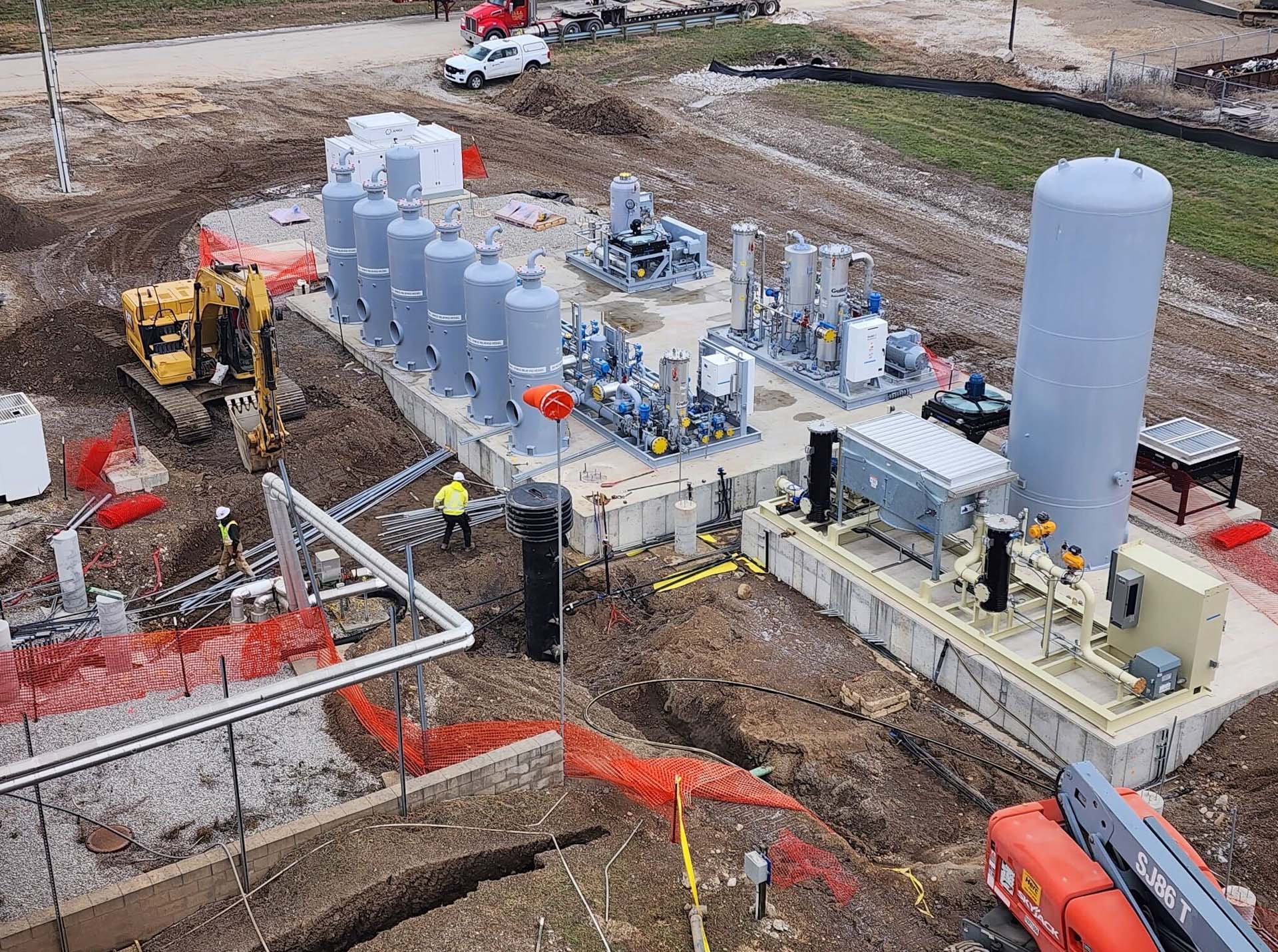
Renewable Natural Gas is a by-product of the breakdown of organic materials. By utilizing thermophilic microbes in a digester RNG is captured, processed and distributed.
Capturing Methane from Organic Waste - An RNG Upgrade
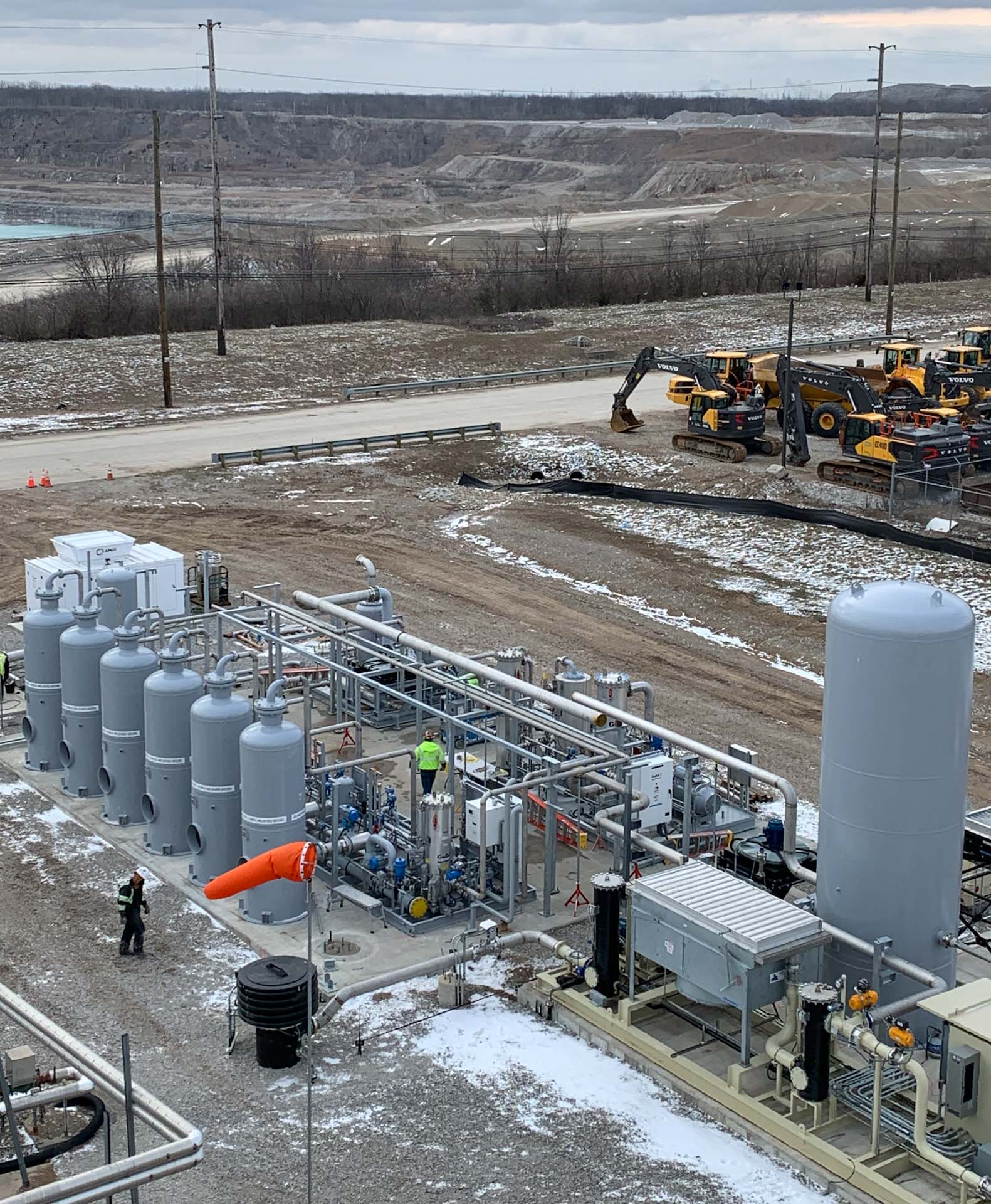
Located in the Midwest, this state-of-the-art anaerobic digestion facility is a commitment to sustainable innovation, representing the forefront of renewable energy technology. The facility operates as a complete-mix-thermophilic digester, processing up to 100,000 tons of biosolids annually from local municipal waste and leading food and beverage producers. Midwestern Contractors (MWC) was contracted to perform the upgrade, enabling the capture of this valuable resource. MWC specializes in RNG projects (see reference links).
Prior to this upgrade, the existing organic digester facility captured the biogas produced by the decay of organic material but flared off the methane component. The primary challenge was to retrofit the facility to efficiently capture and process this raw biogas into pipeline-quality Renewable Natural Gas (RNG), effectively turning a wasted energy source into a profitable, clean fuel along with organic fertilizer. The Solution: Thermophilic Digestion, gas purification, compression and injection into medium pressure gas distribution.
The core of the facility is its complete-mix-thermophilic digester, an engineered unit designed for sustainability and efficiency.
The Digestion Process:
When organic waste is delivered the biosolids are conveyed into the digester. They enter a highly controlled thermophilic environment where temperatures range between 120° to 135° F. This heat reduces pathogens and creates ideal conditions for thermophilic microbes (heat-loving bacteria, archaea, and fungi) to thrive. As these microorganisms consume the organic matter, they generate raw biogas—a mix of methane and carbon dioxide, and other gases, some of which are corrosive.
The Upgrade Scope of Work:
The project involves a comprehensive upgrade to transition the facility to full RNG capture and processing. The key construction and installation phases include:
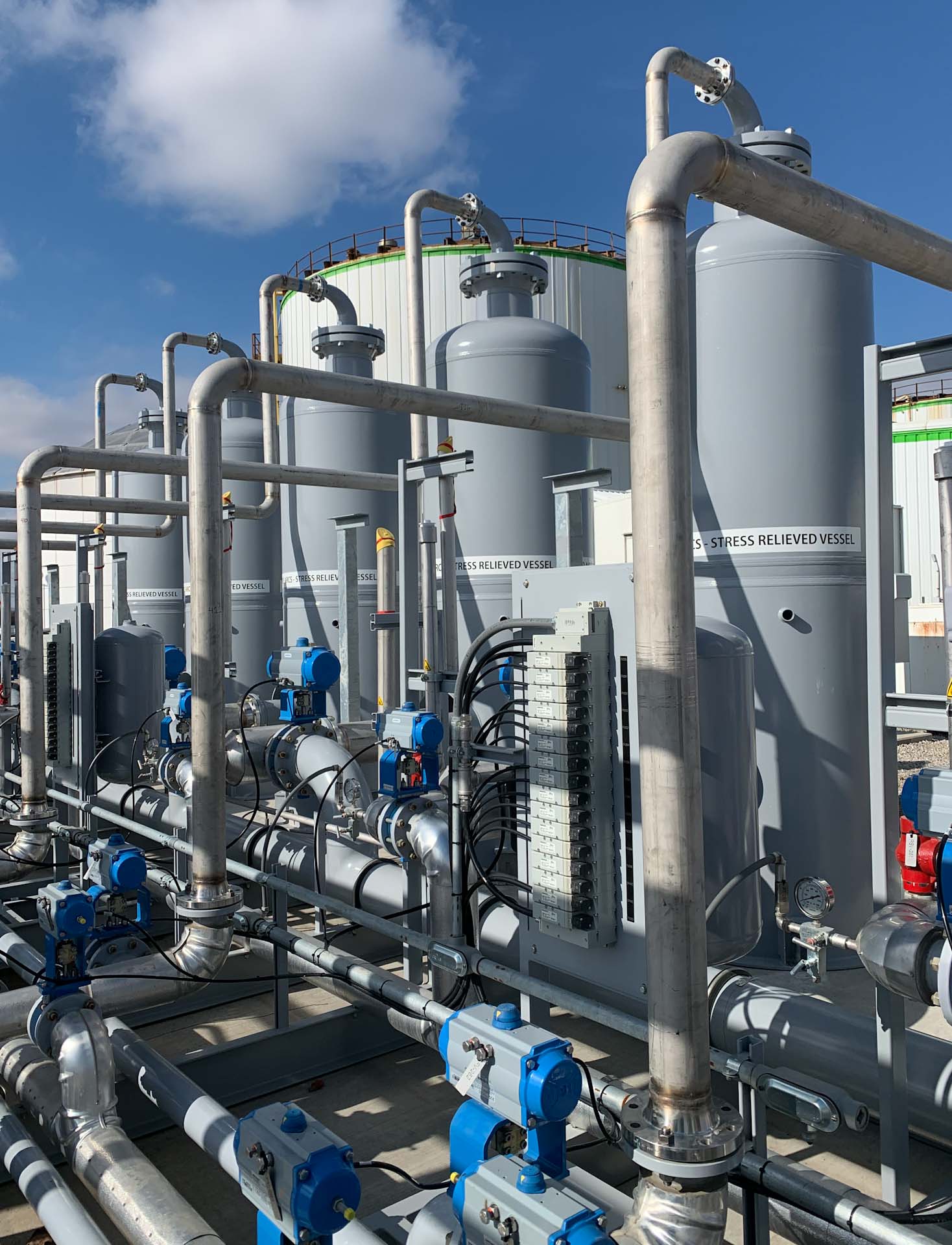
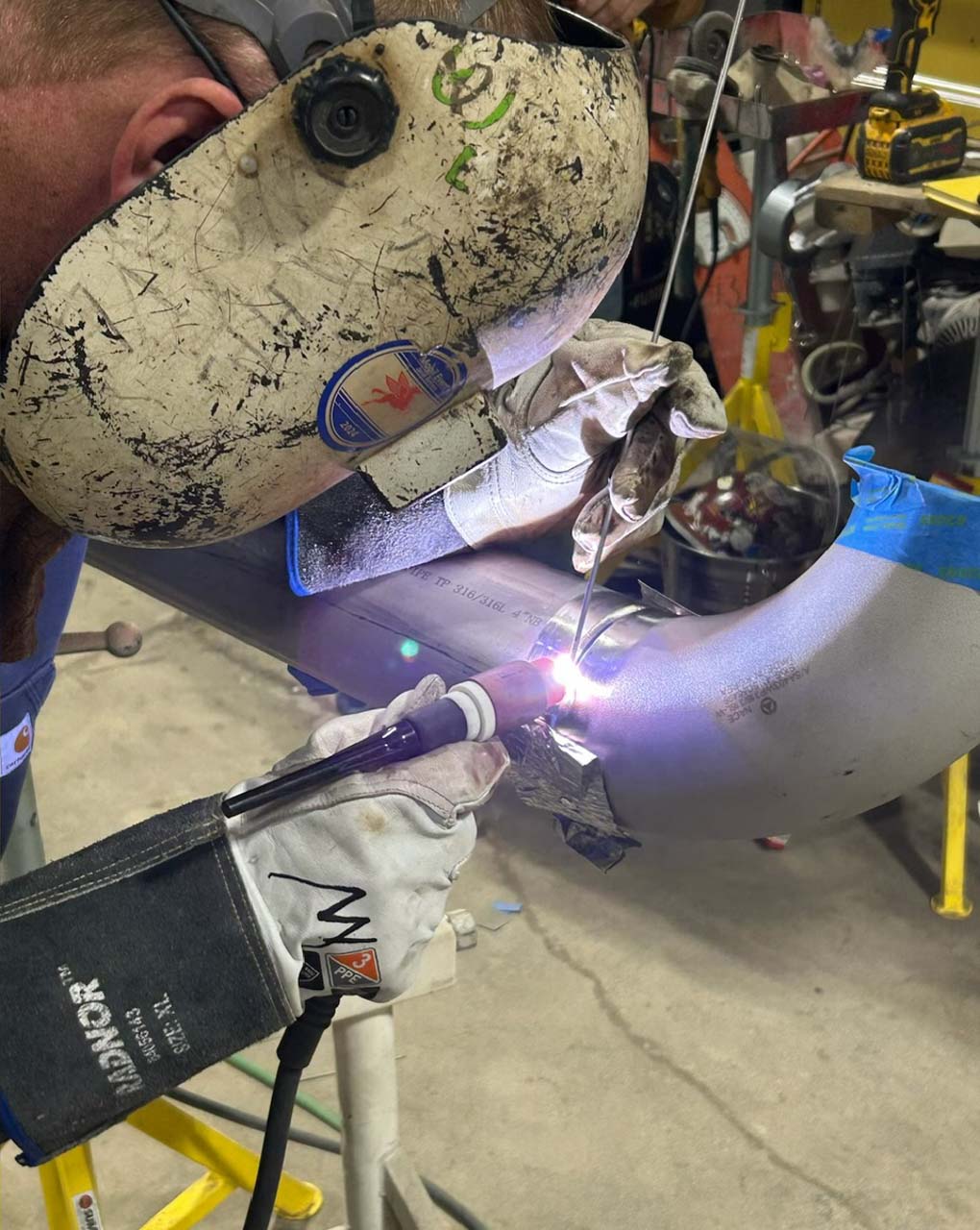
Project Note 1: Stainless steel pipe is primarily TIG (Tungsten Inert Gas) welded because it provides precise heat control, which is critical for maintaining the material's structural integrity and corrosion resistance. While other methods like MIG or Stick can be used, TIG is the "gold standard" for pipes, especially in high-purity or high-pressure systems.
Project Note 2: Compost is removed from industrial thermophilic digesters and aerobic composting machines through automated discharging, screw presses, or manual unloading after the waste breaks down. In accelerated systems, compost powder is automatically discharged, while in larger aerobic digesters, the final product is removed via conveyors, screened for contaminants, and further cured to ensure
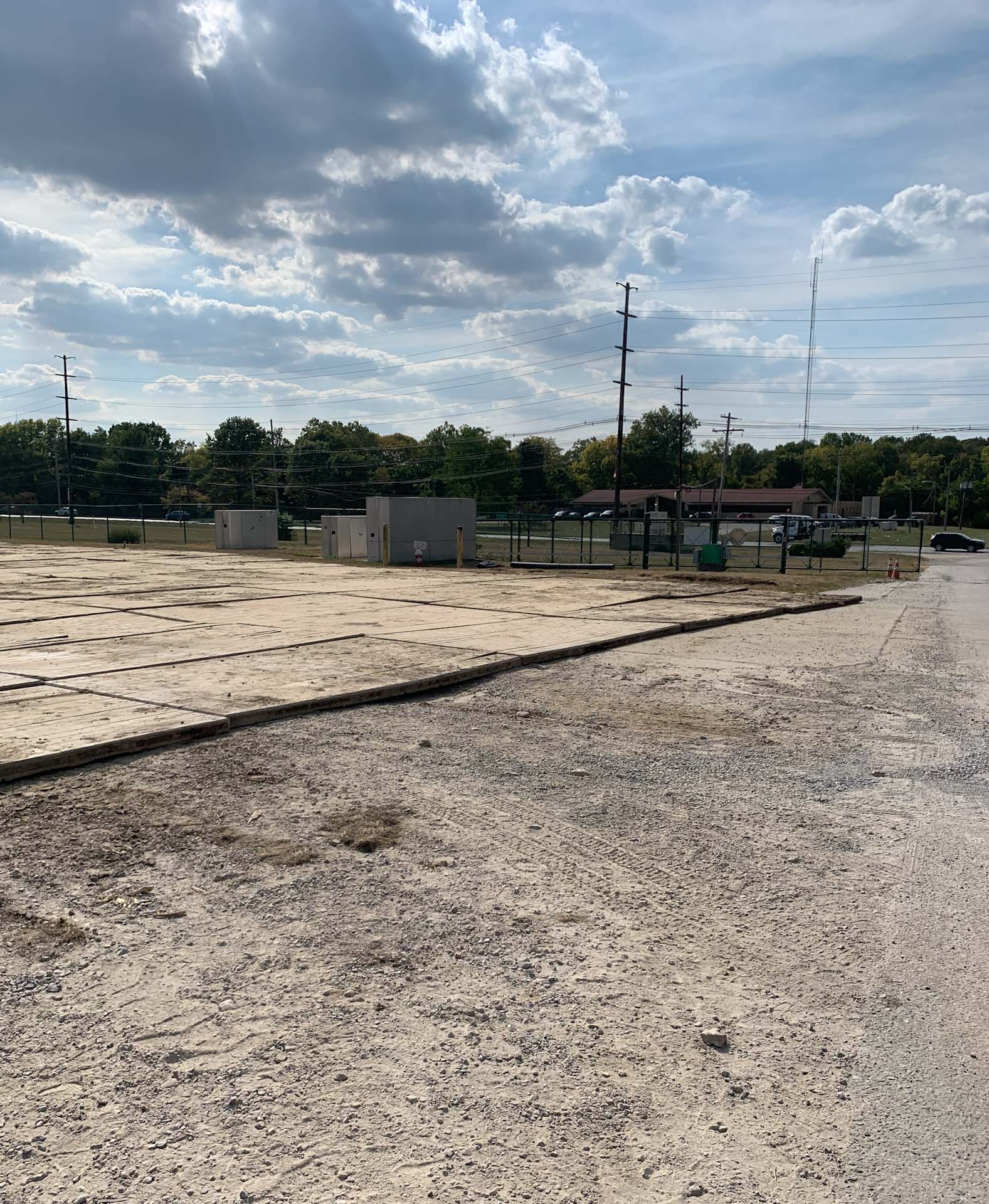
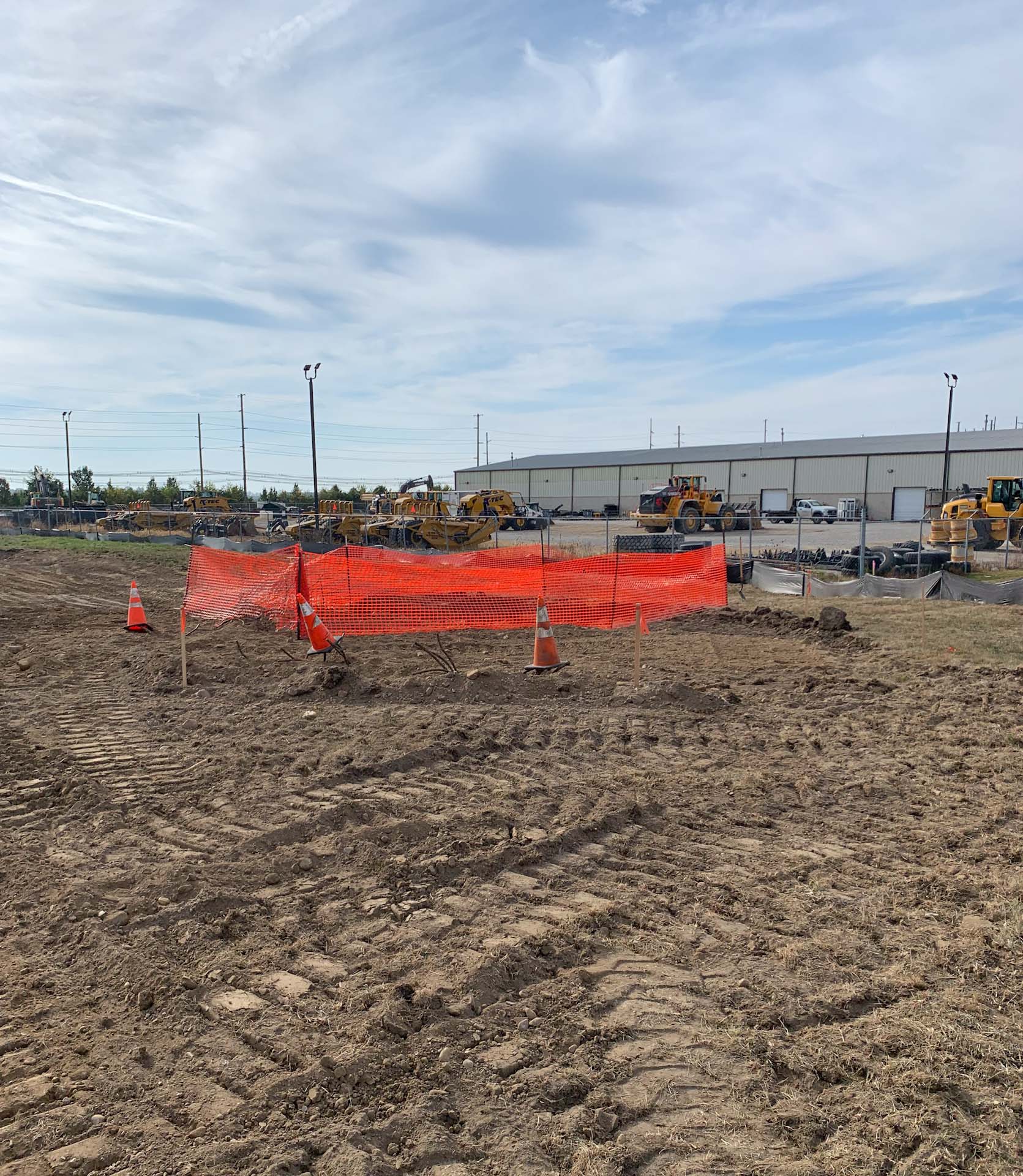
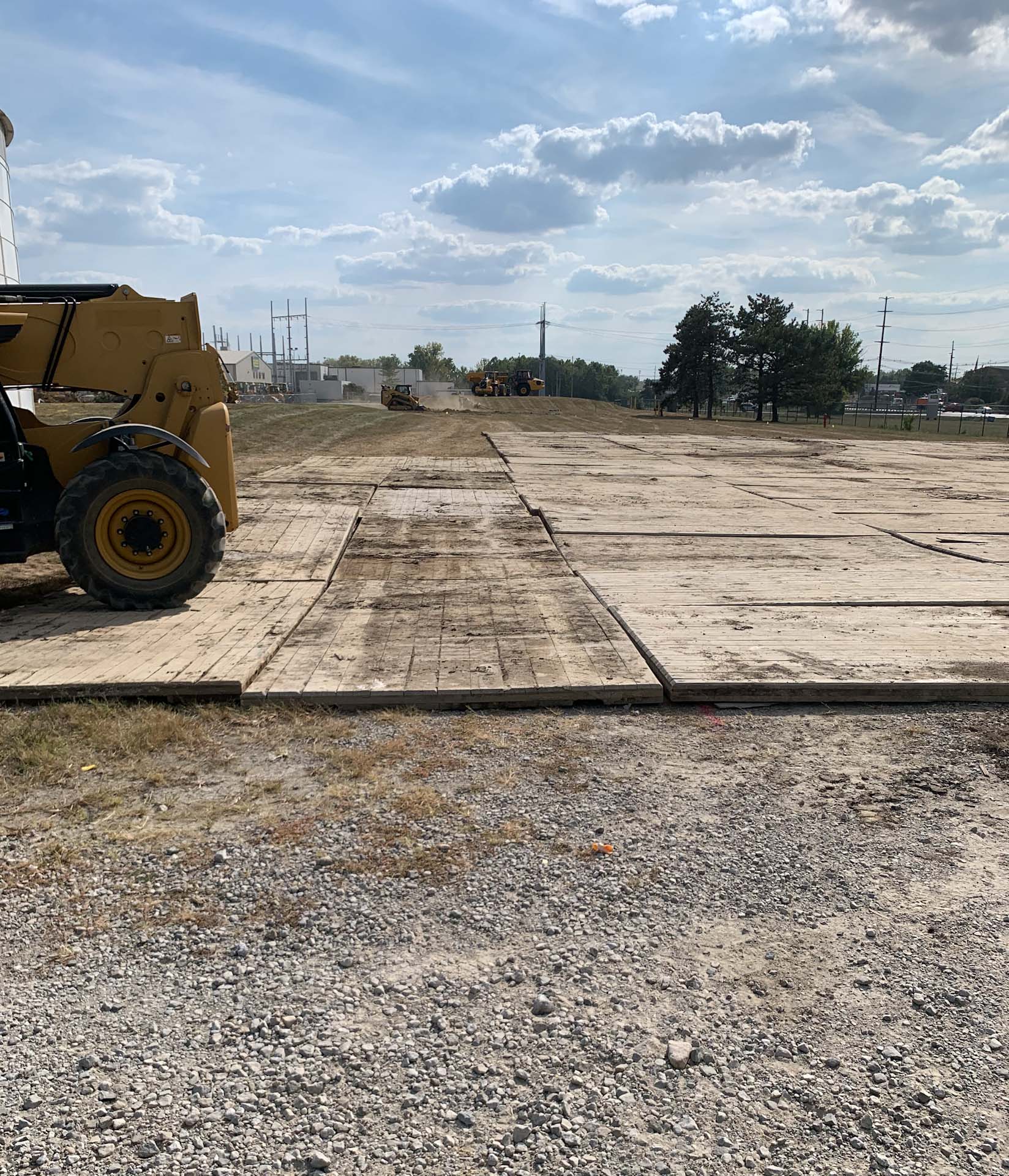
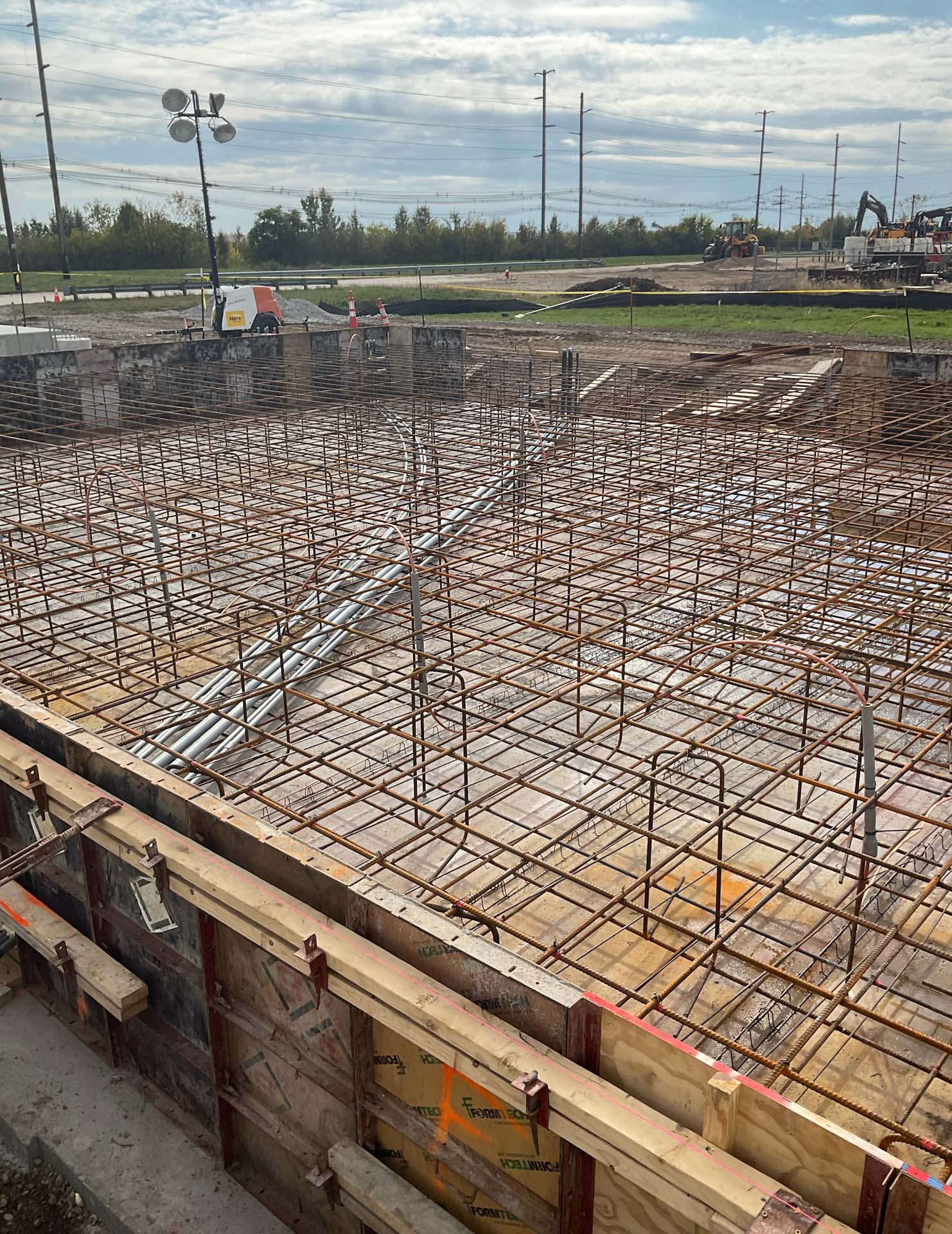
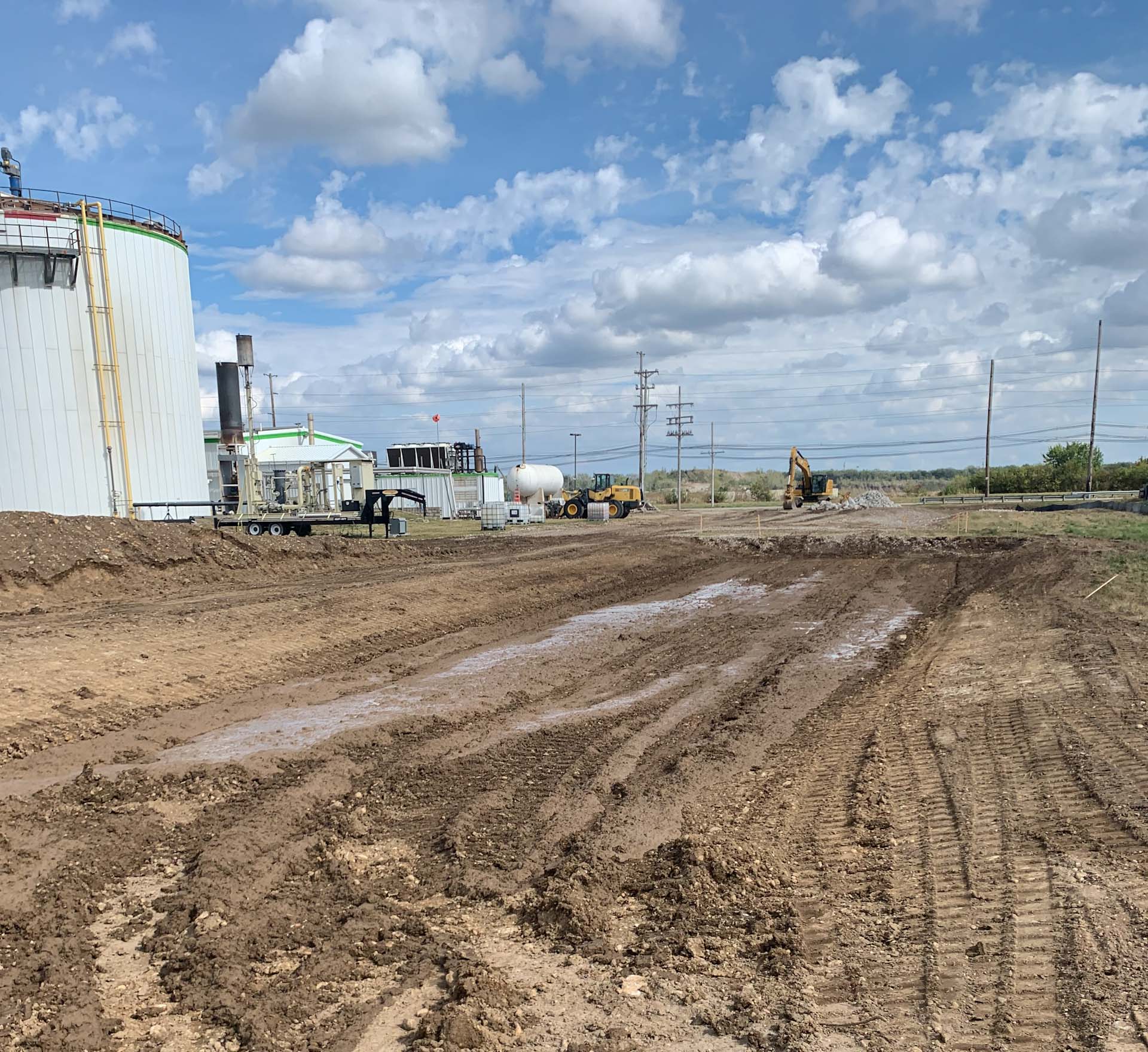
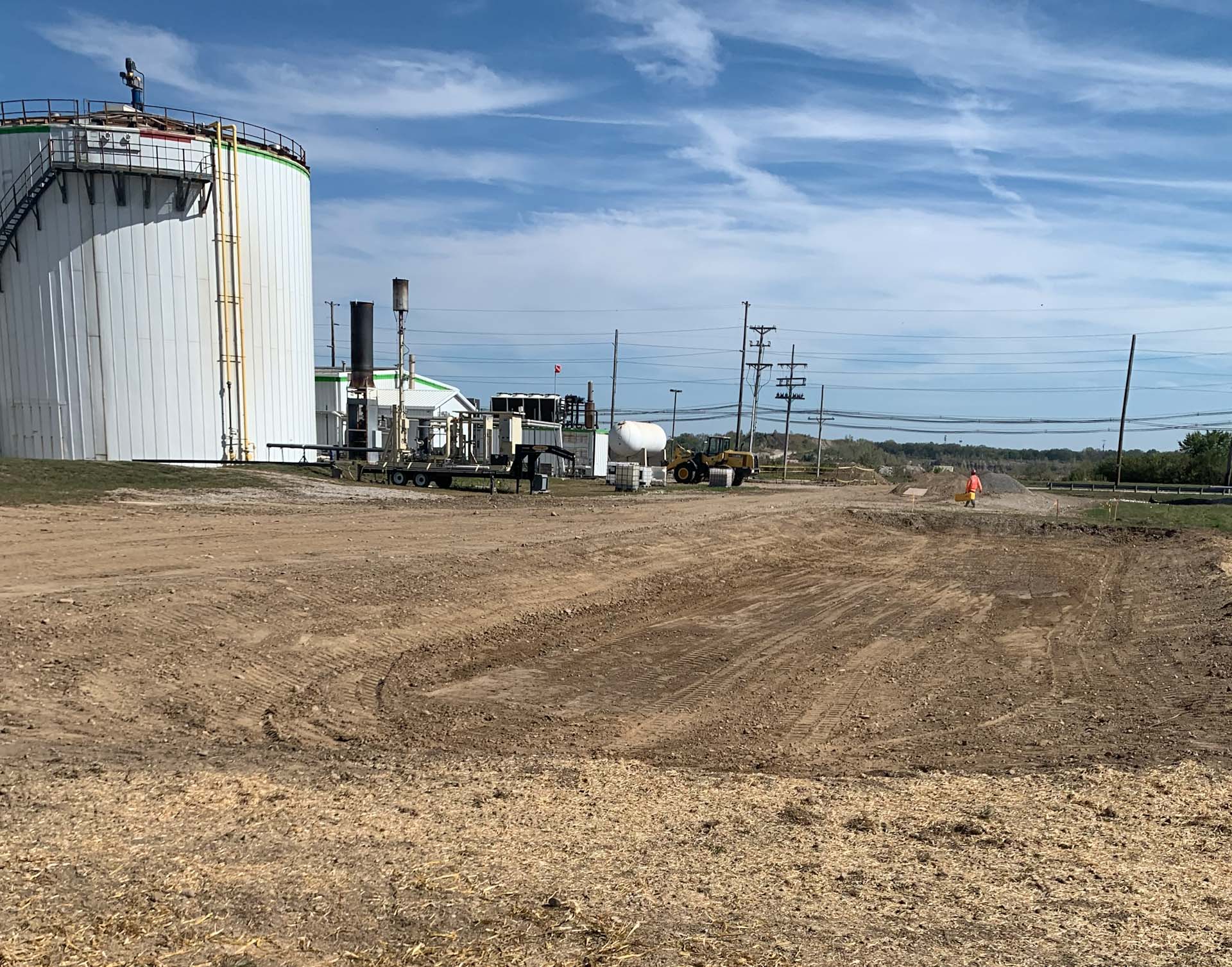
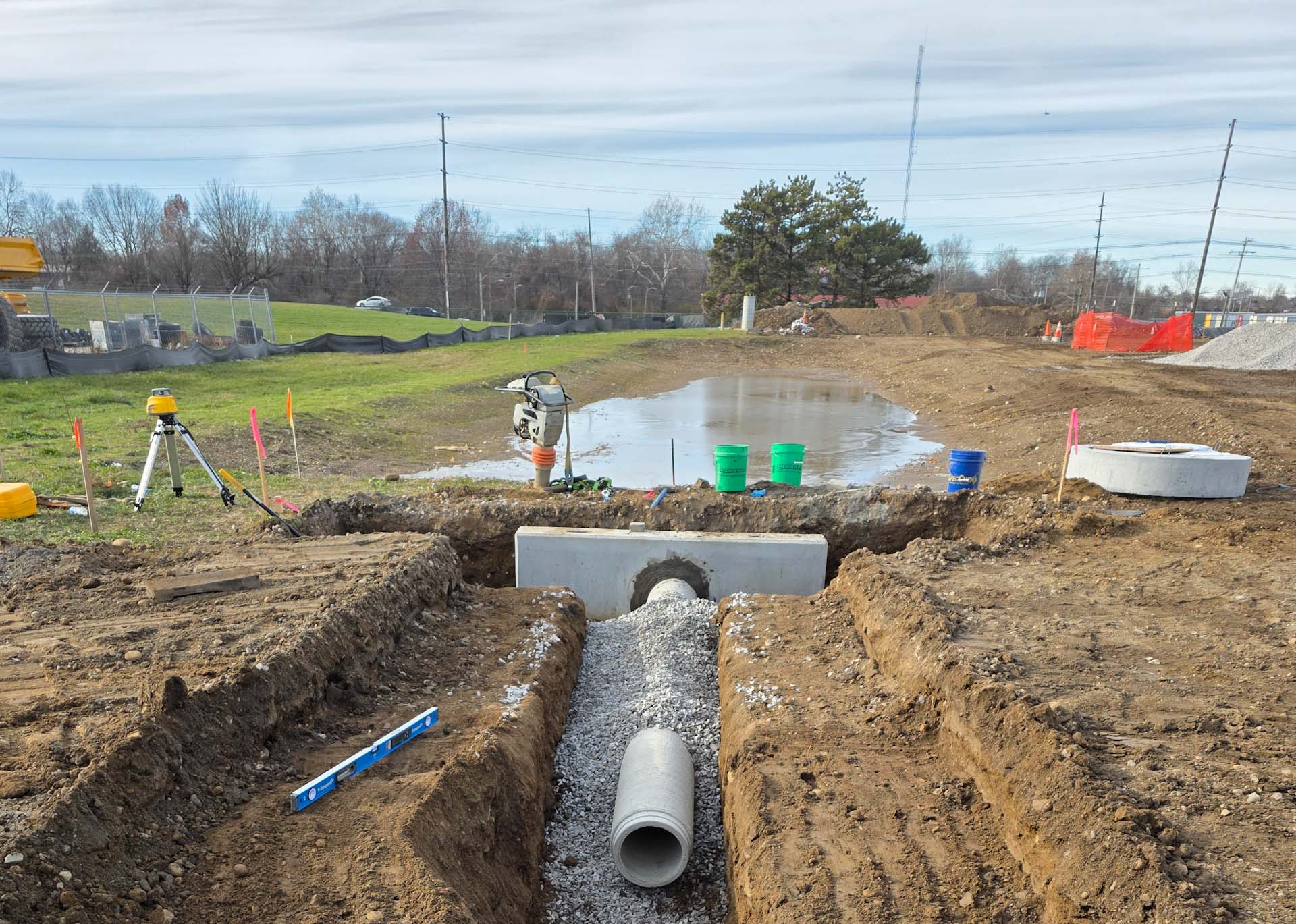
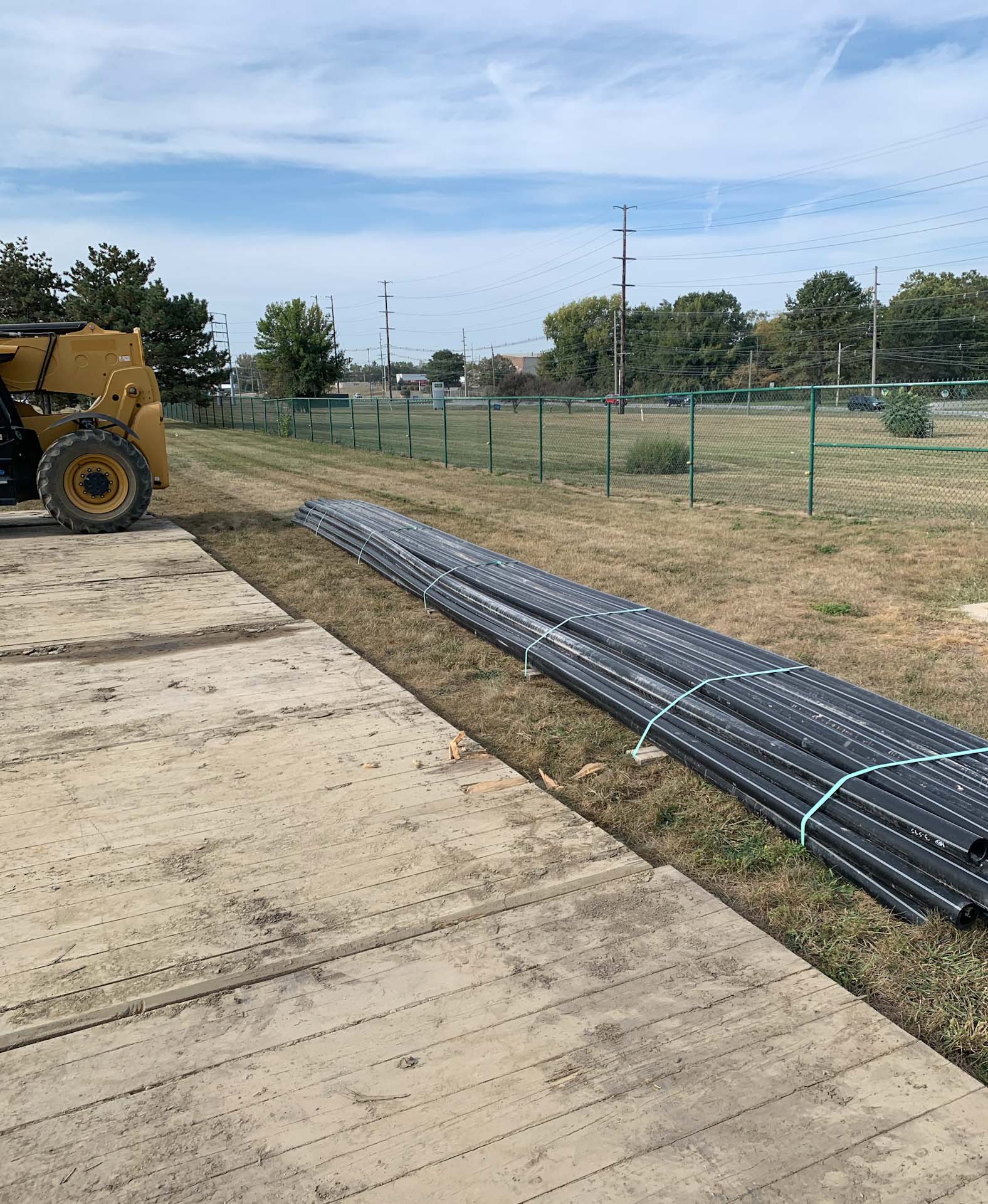
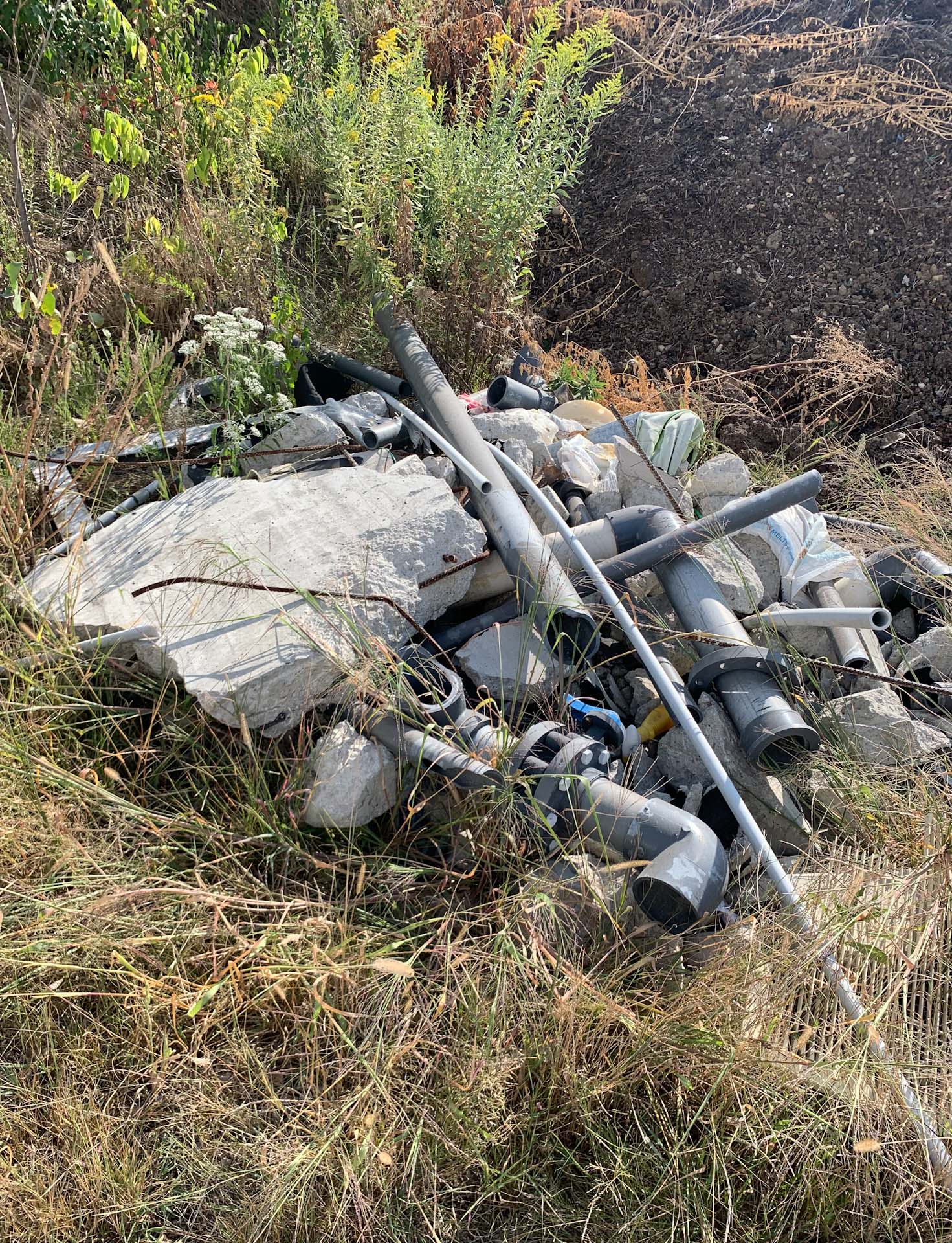
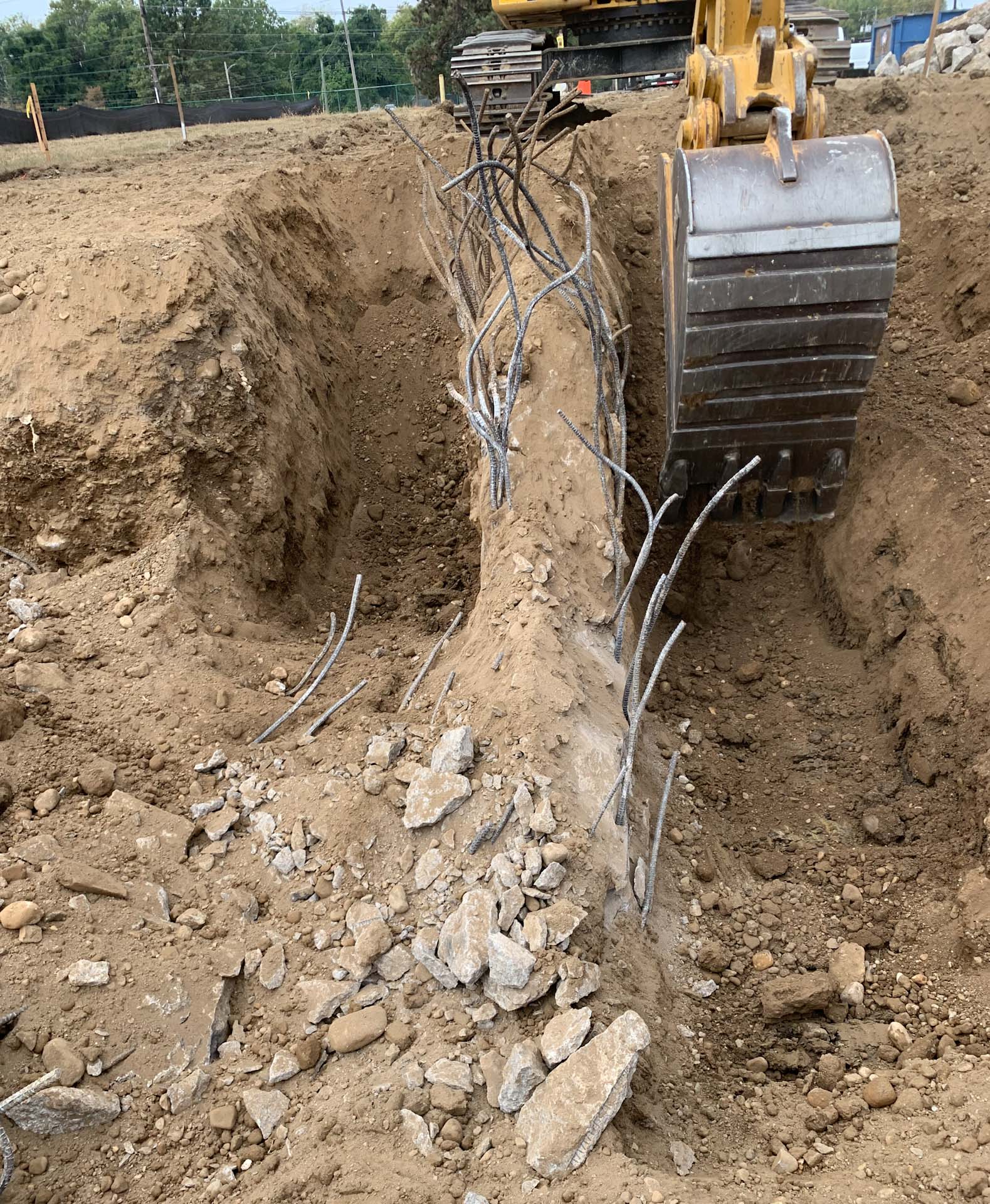
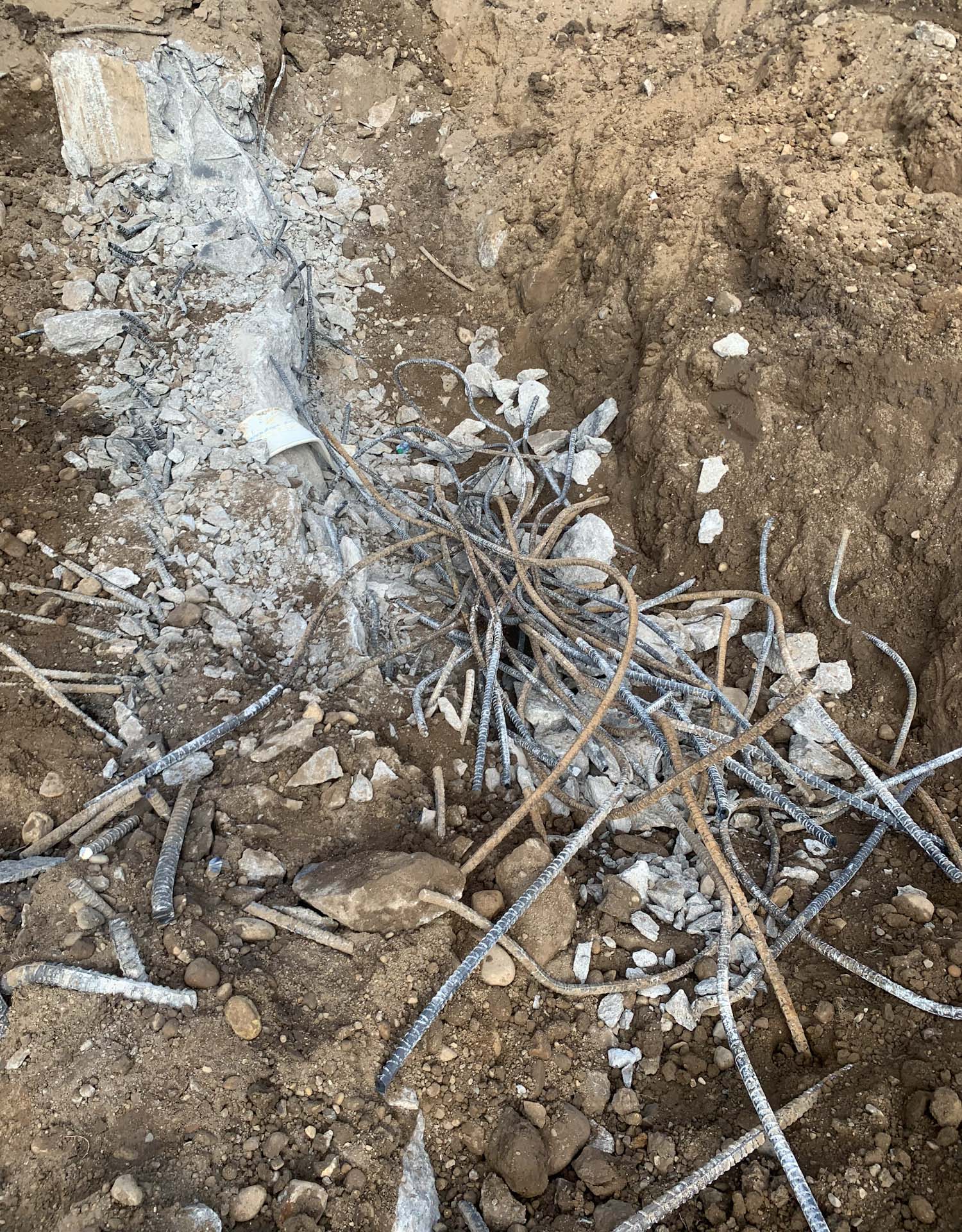
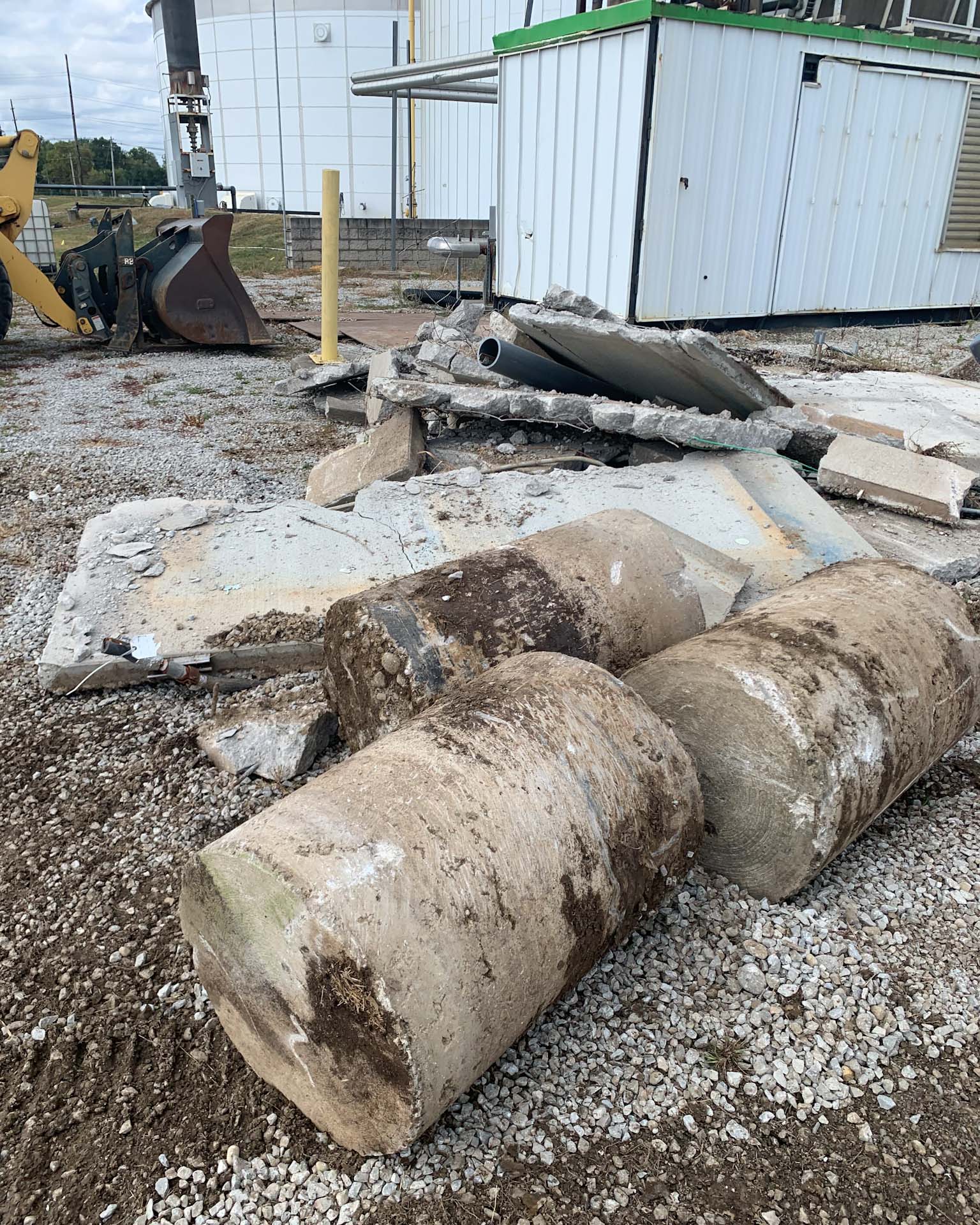
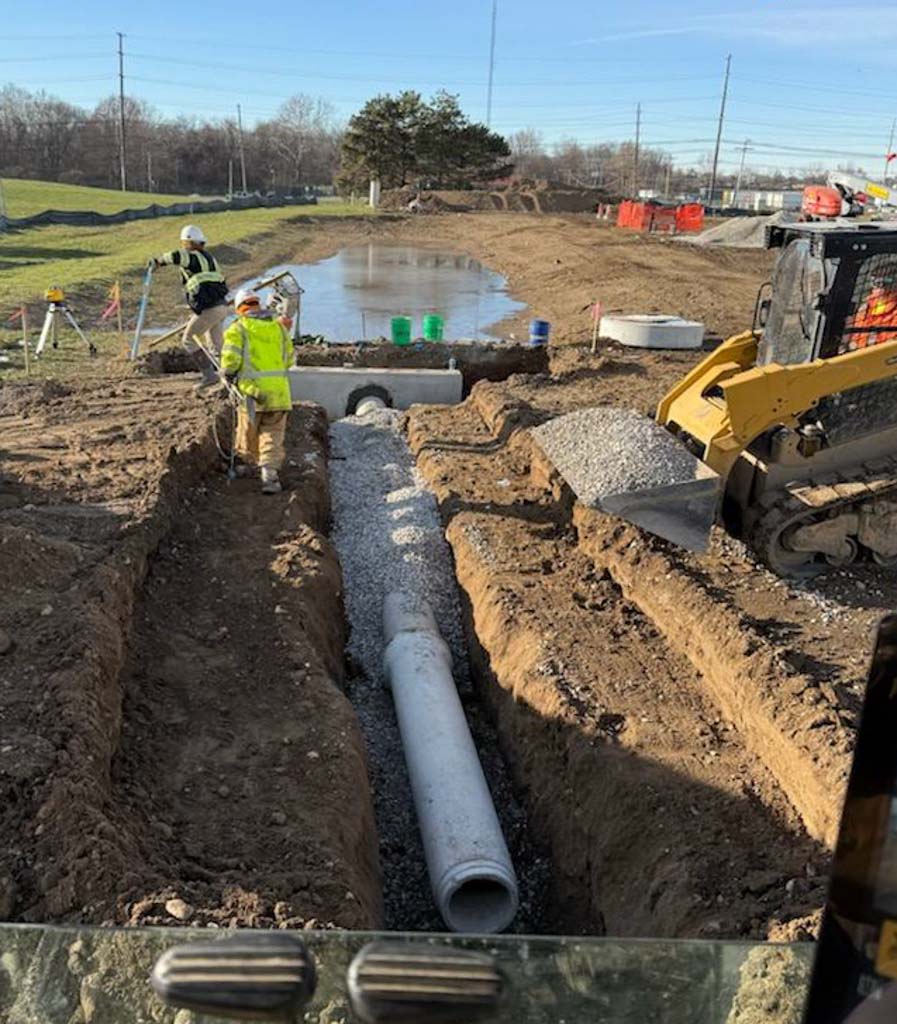
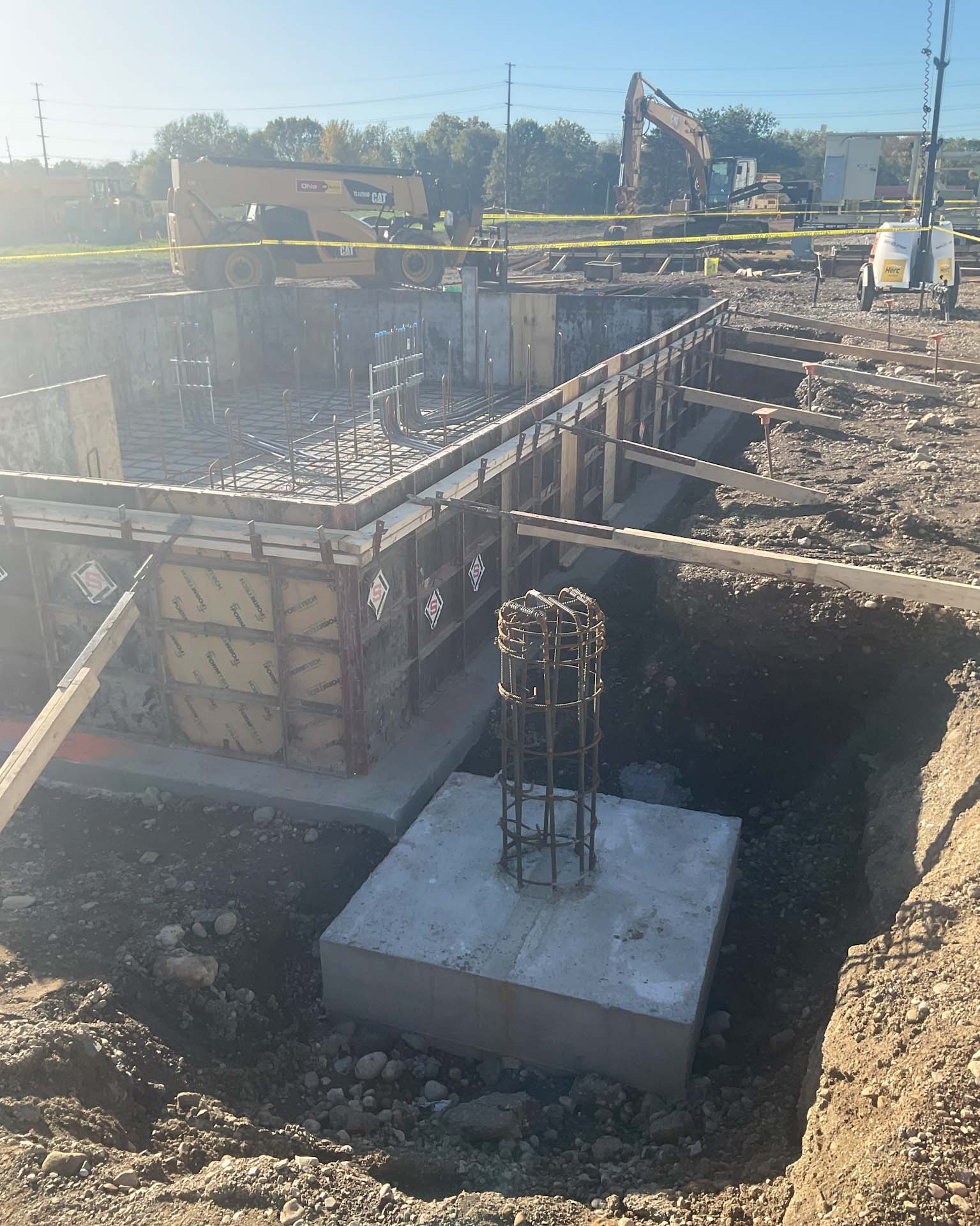
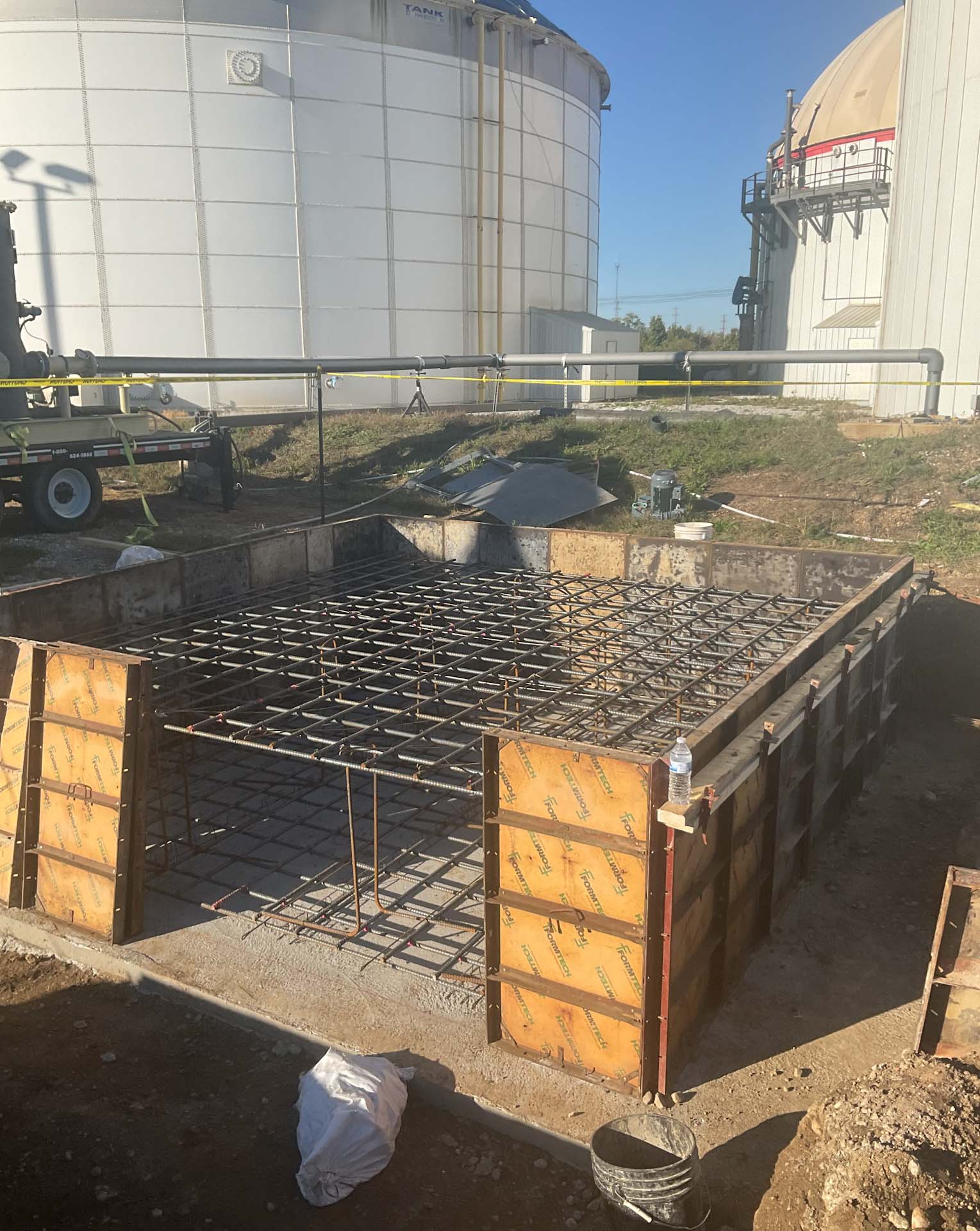
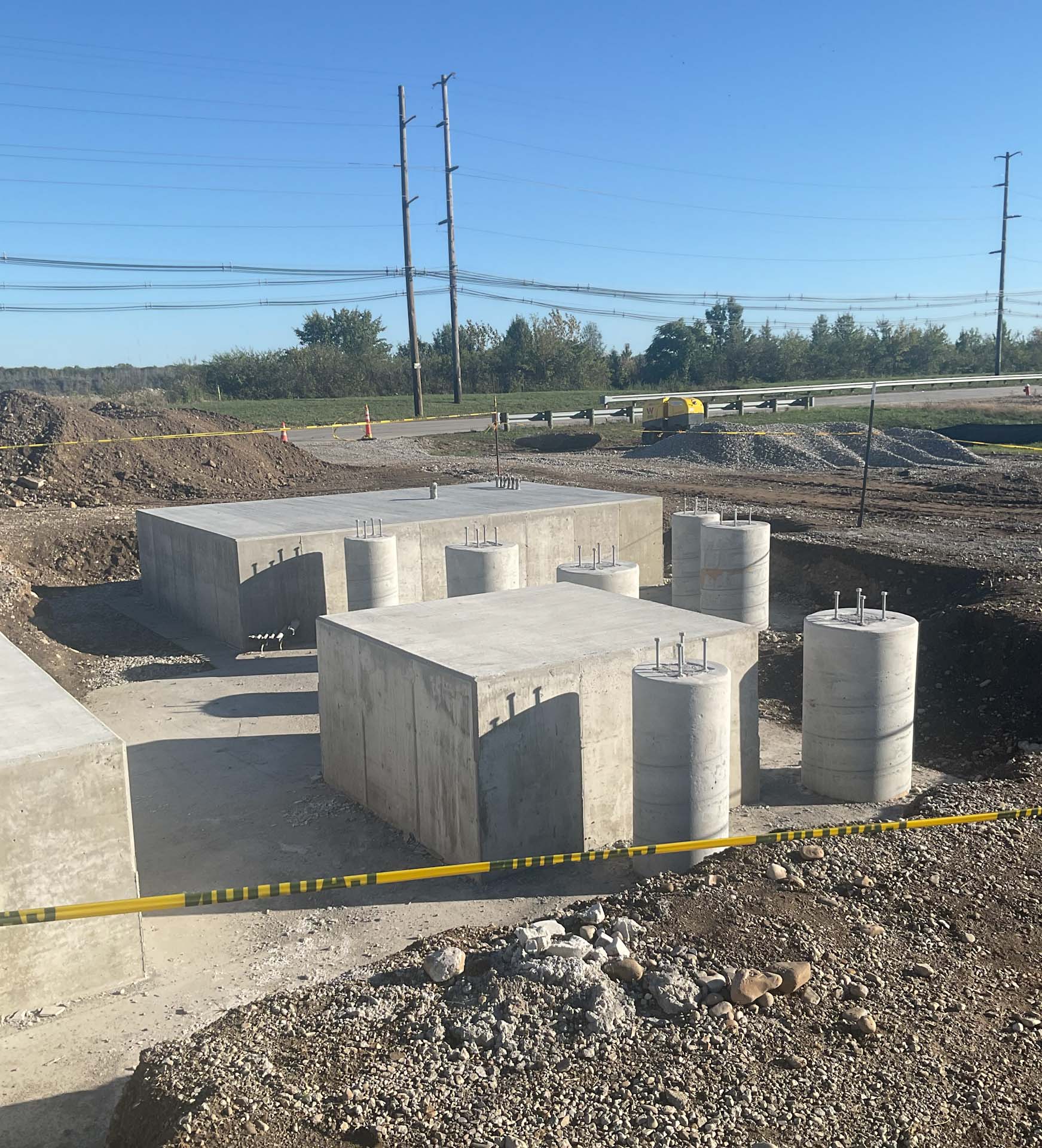
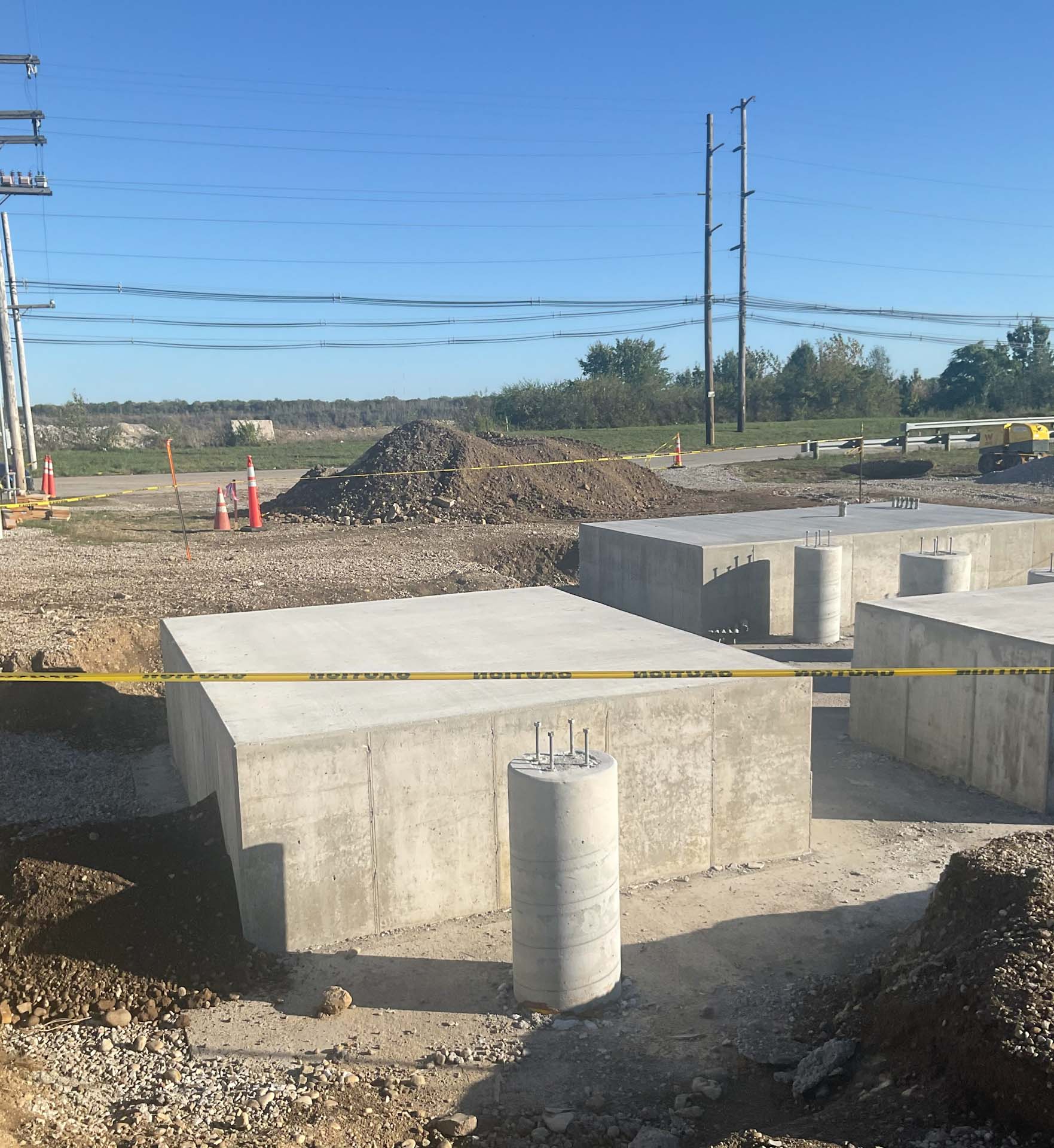
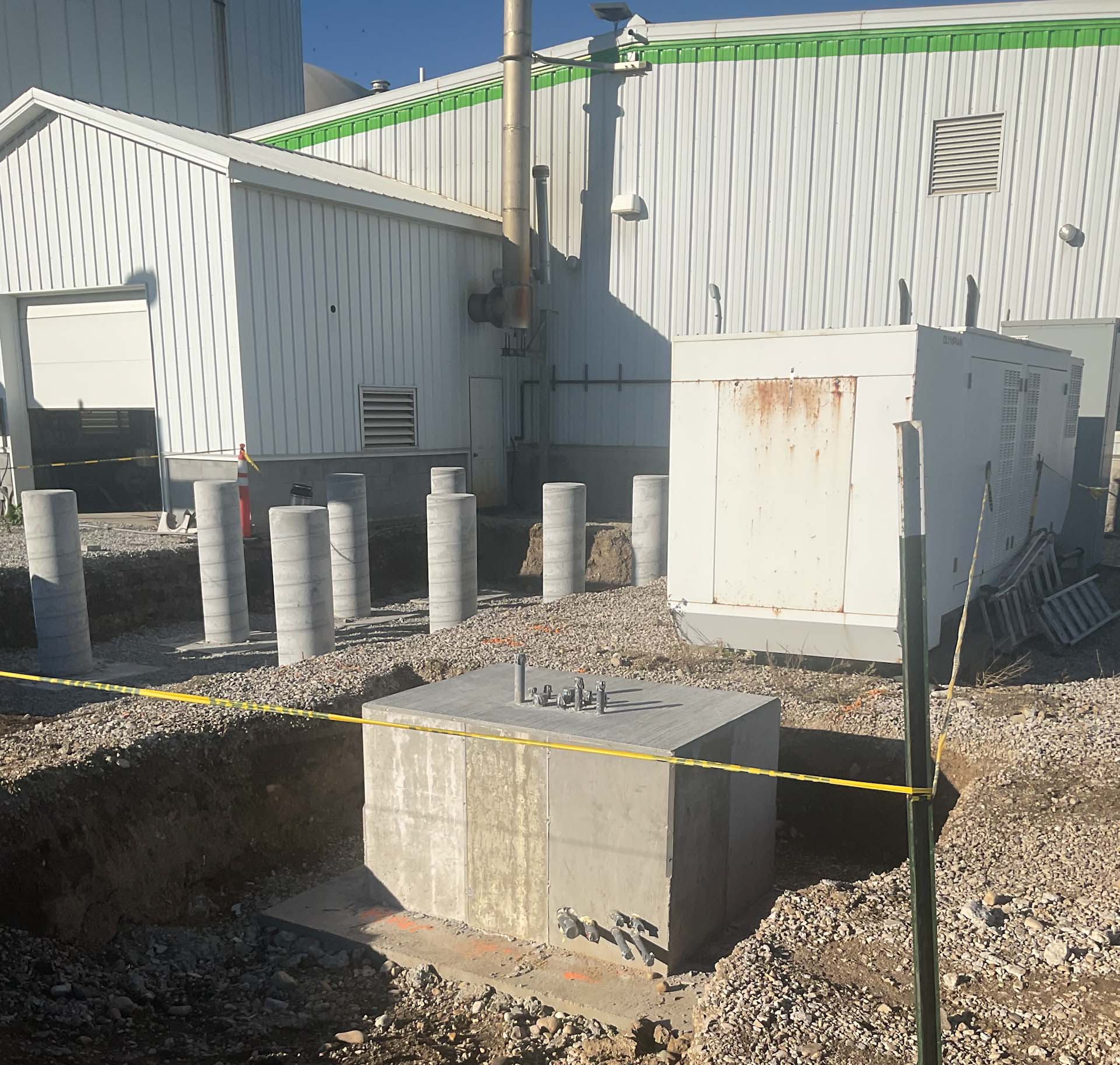
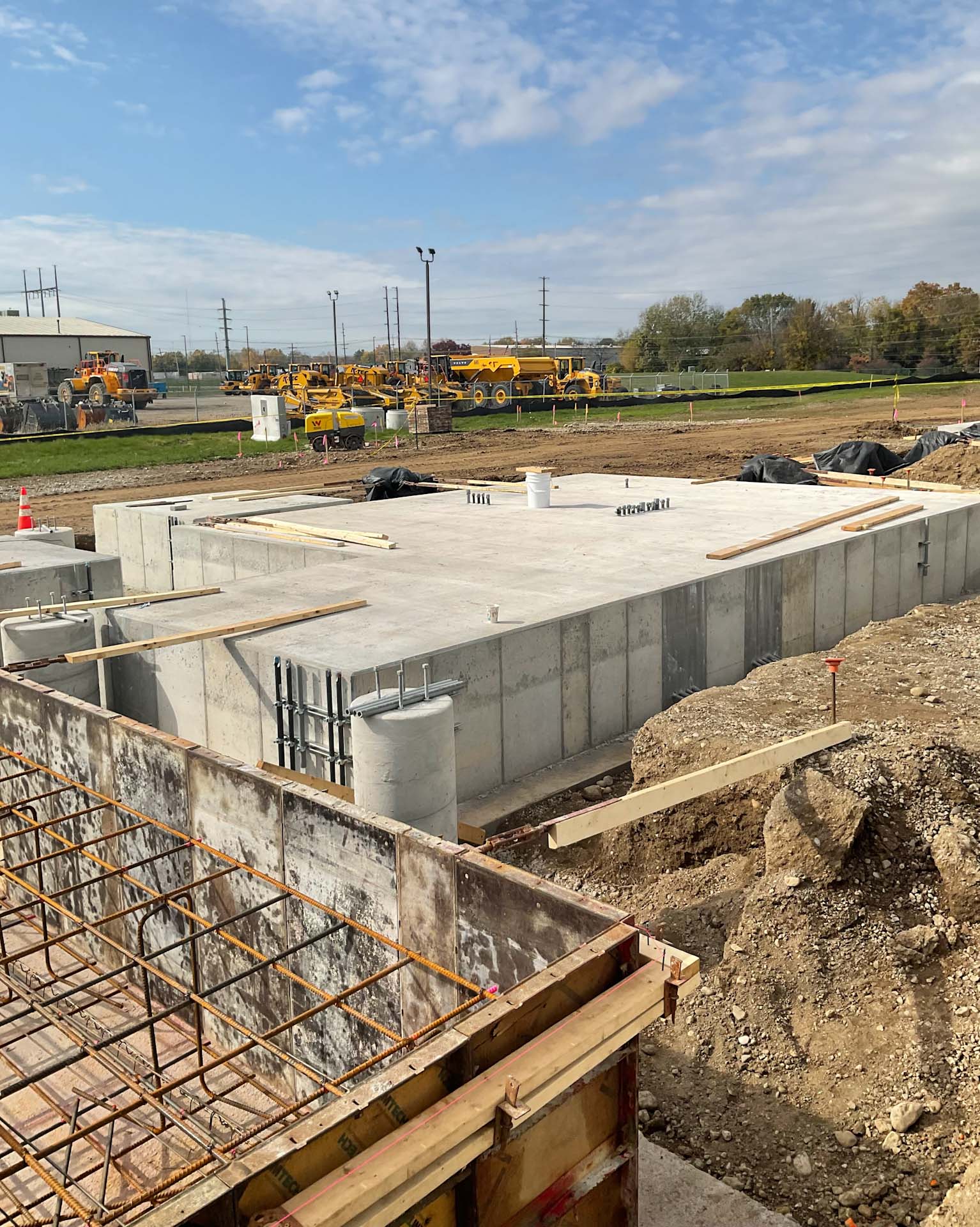
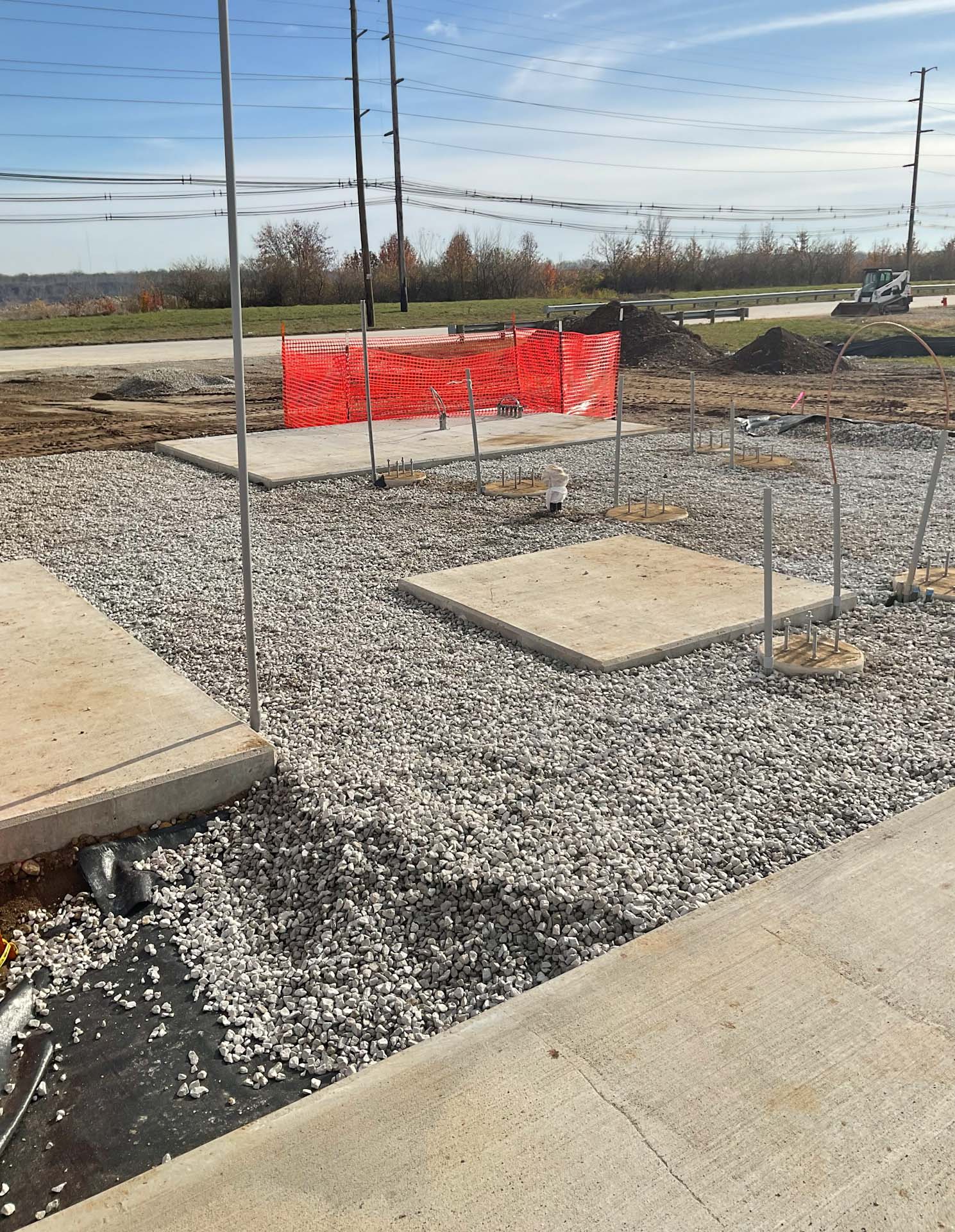
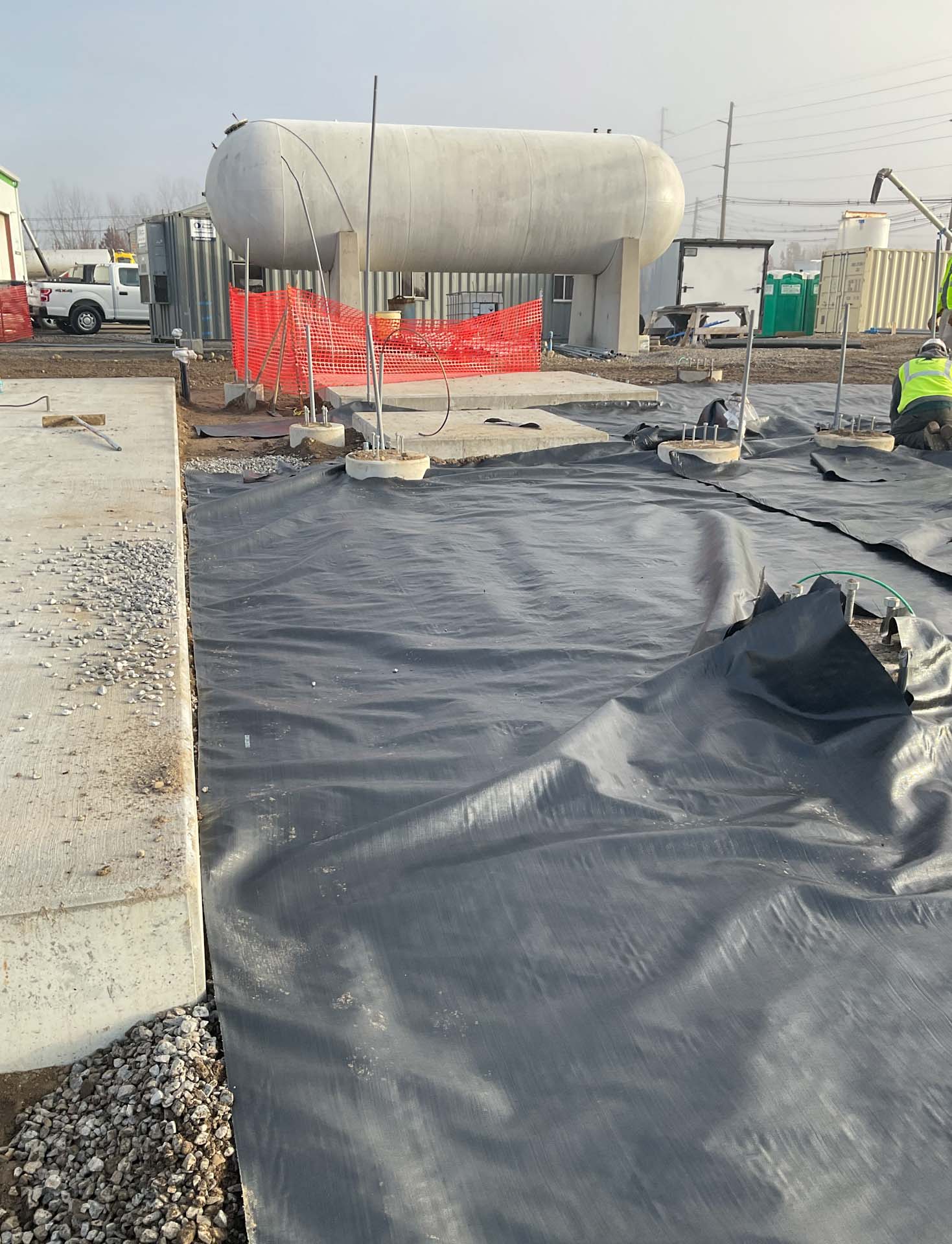
Click any image to run site prep, civil, demo, concrete slide show
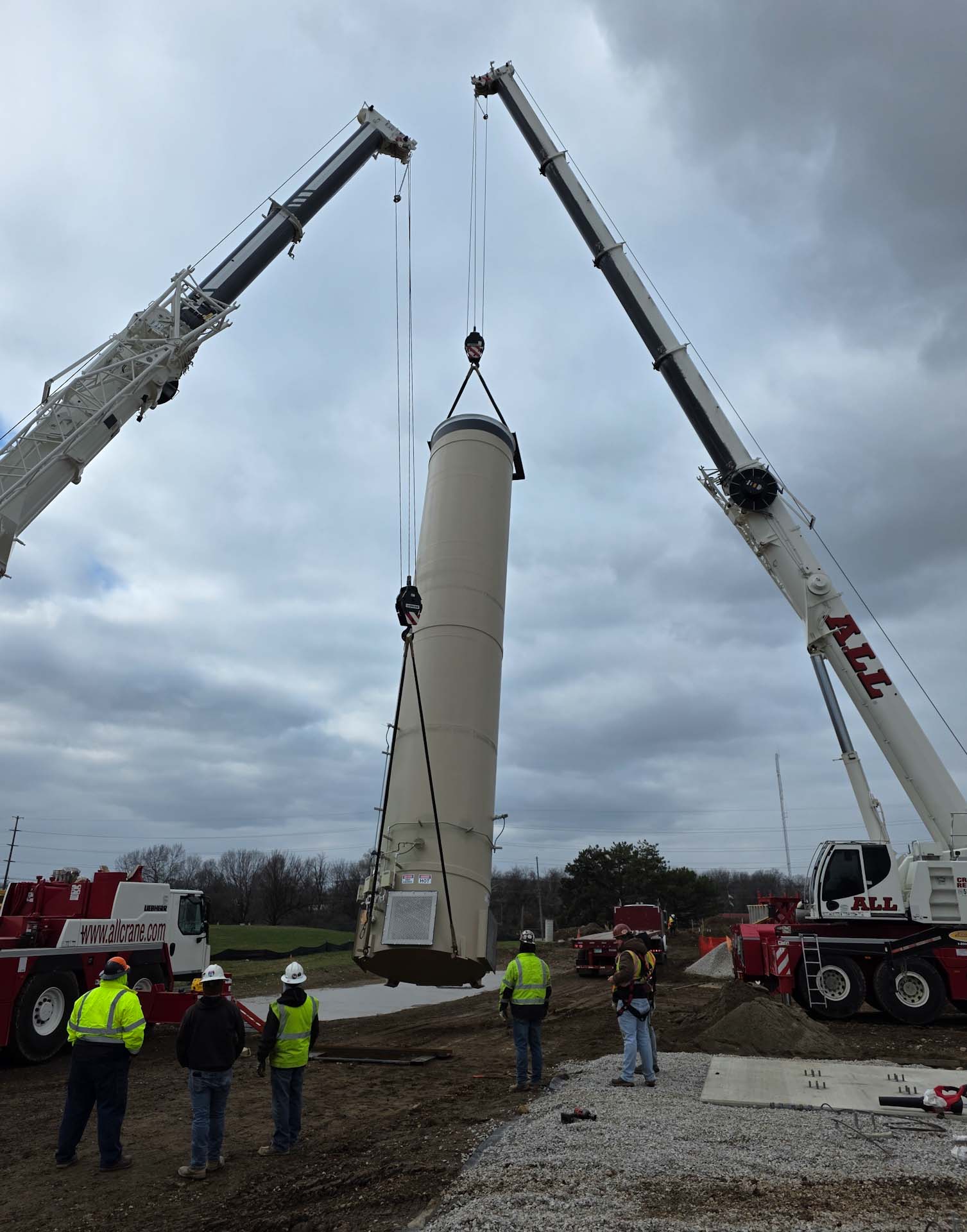
- Site and Civil Preparation: Site preparation, mat placement, silt fence, and erosion control.
- Infrastructure Demolition & Fabrication: Demolition of old equipment, piping, and foundations, followed by shop fabrication of stainless-steel pipe assemblies
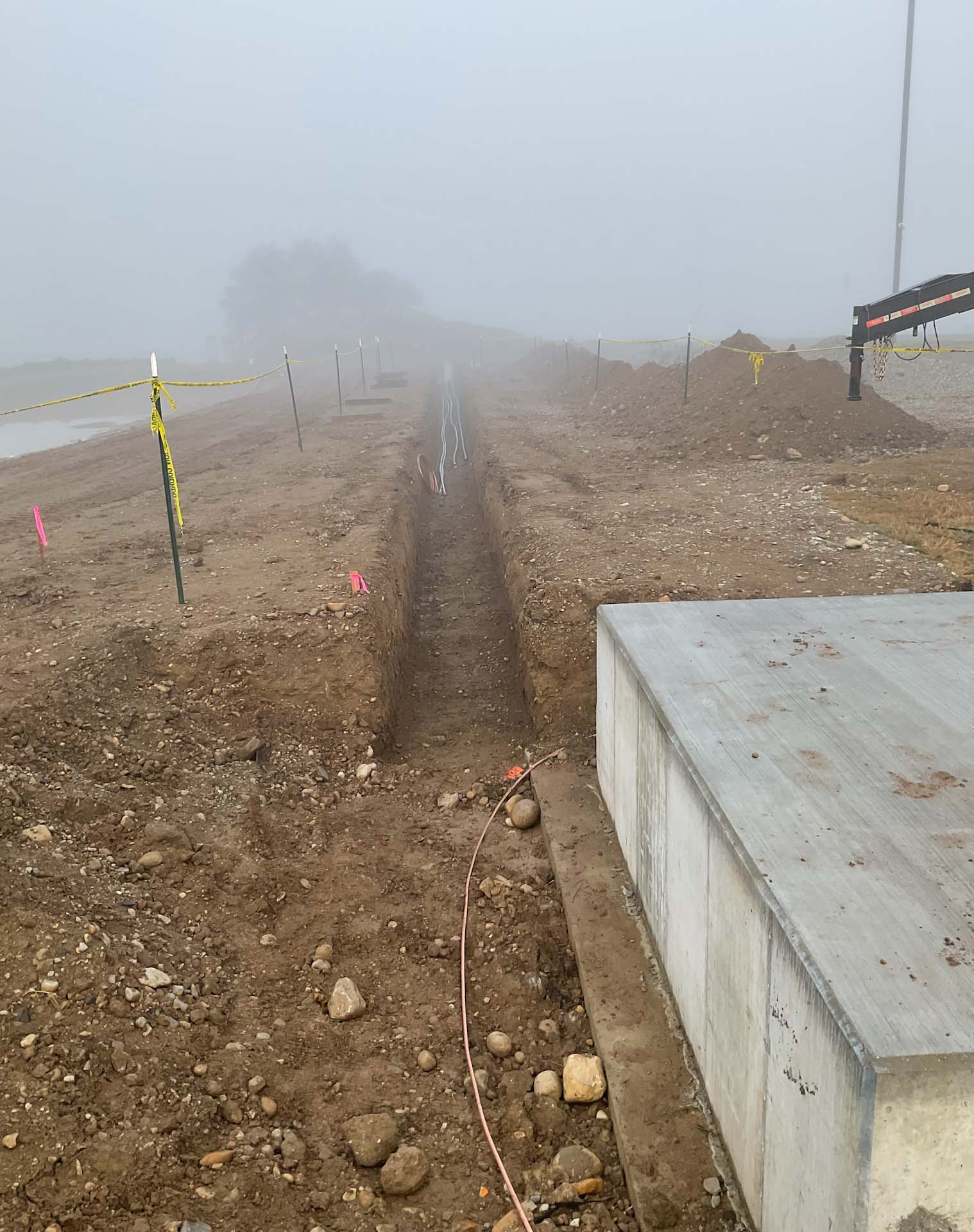
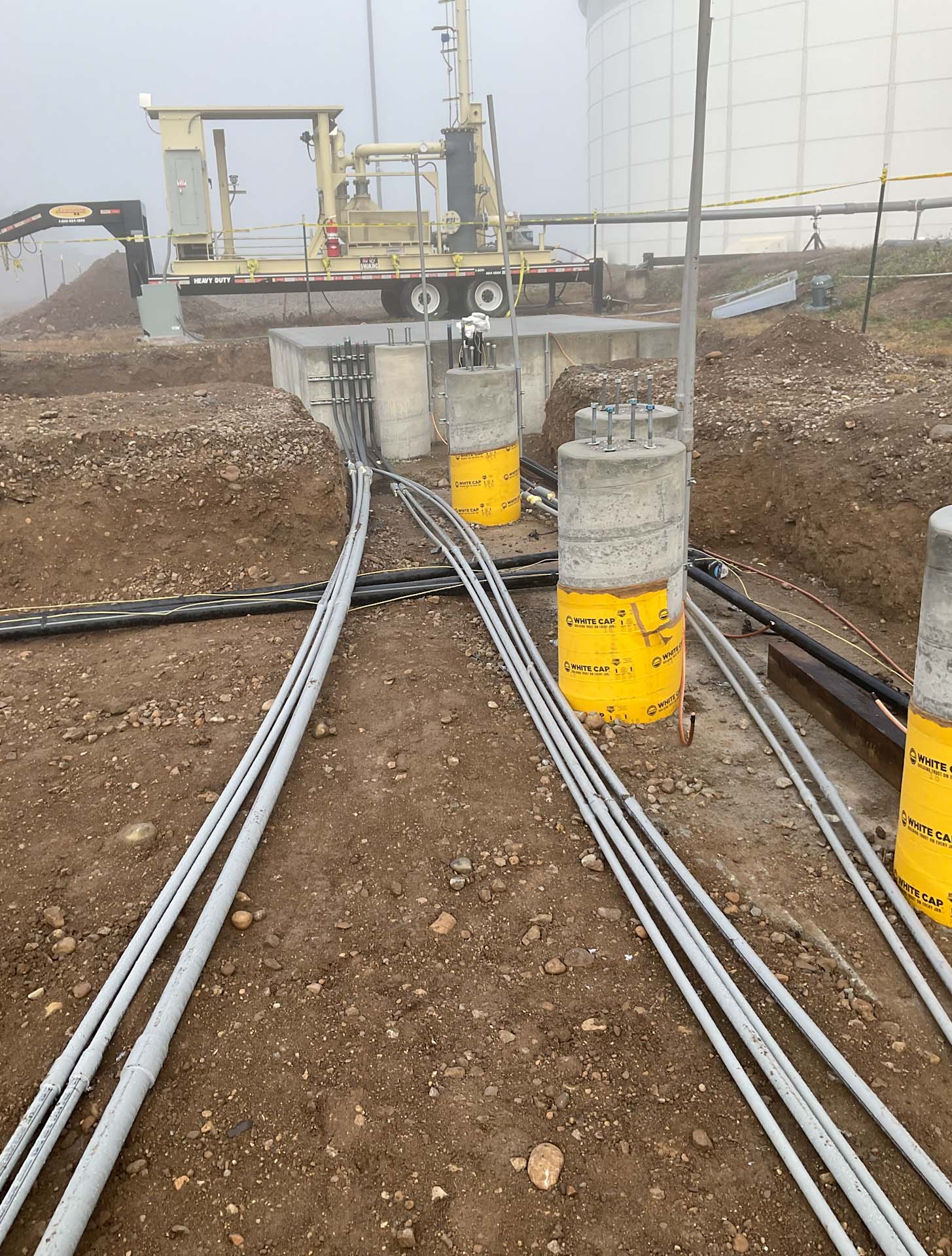
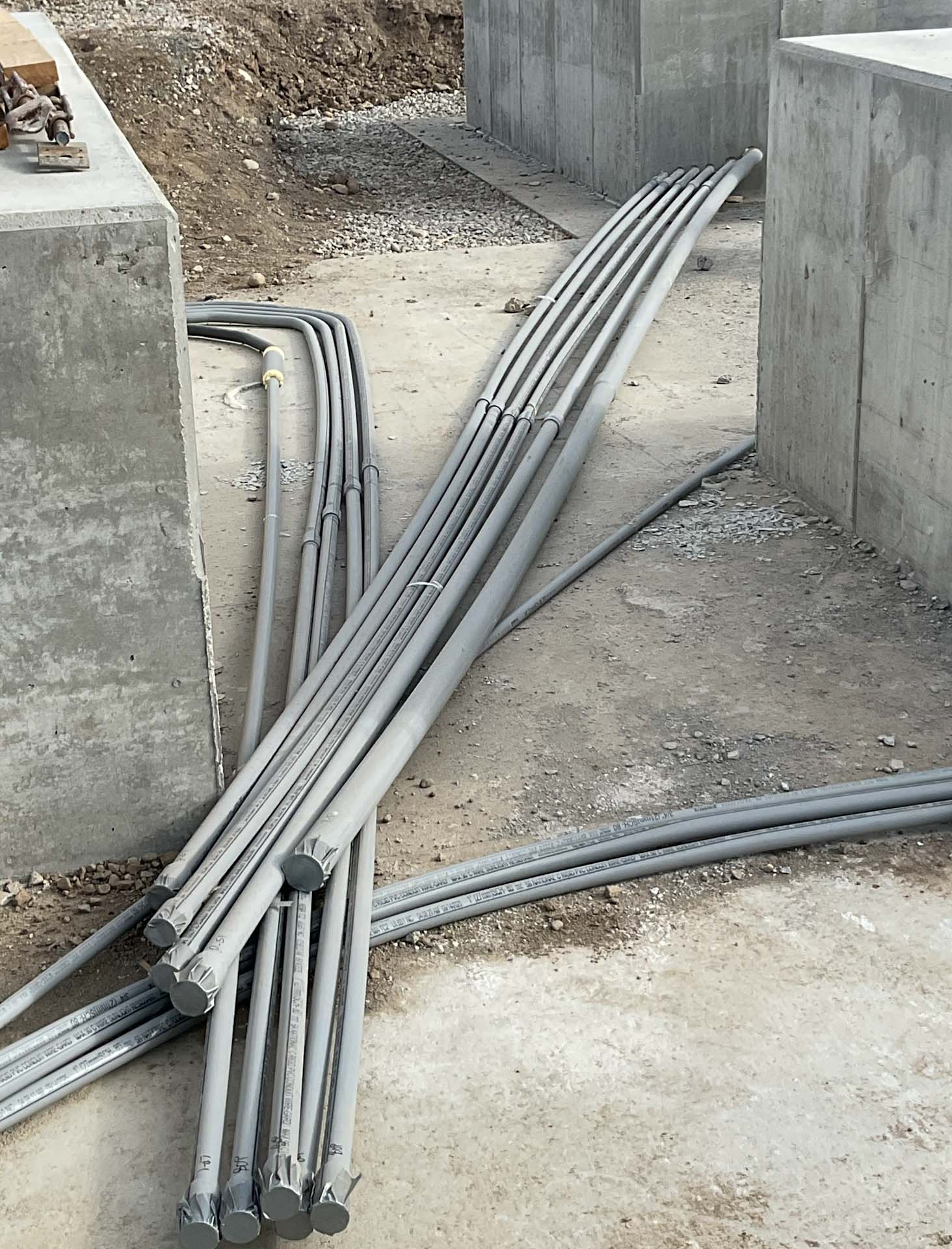
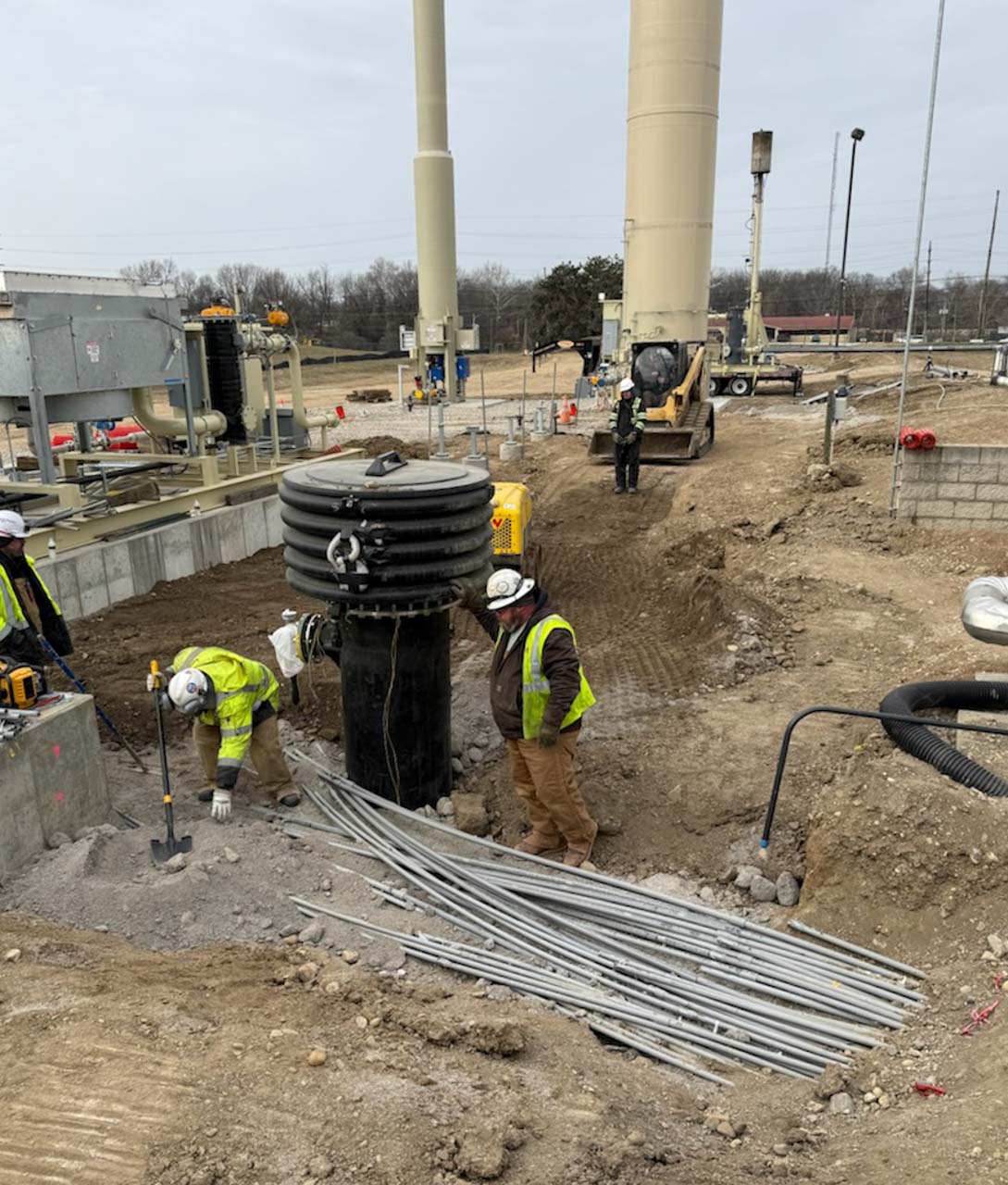
- Earthwork and Foundations: Excavation for foundations, detention pond, storm drain, and interconnect trench. Concrete work for foundations, including forming, reinforcement, conduit placement, pouring, finishing, and form stripping.
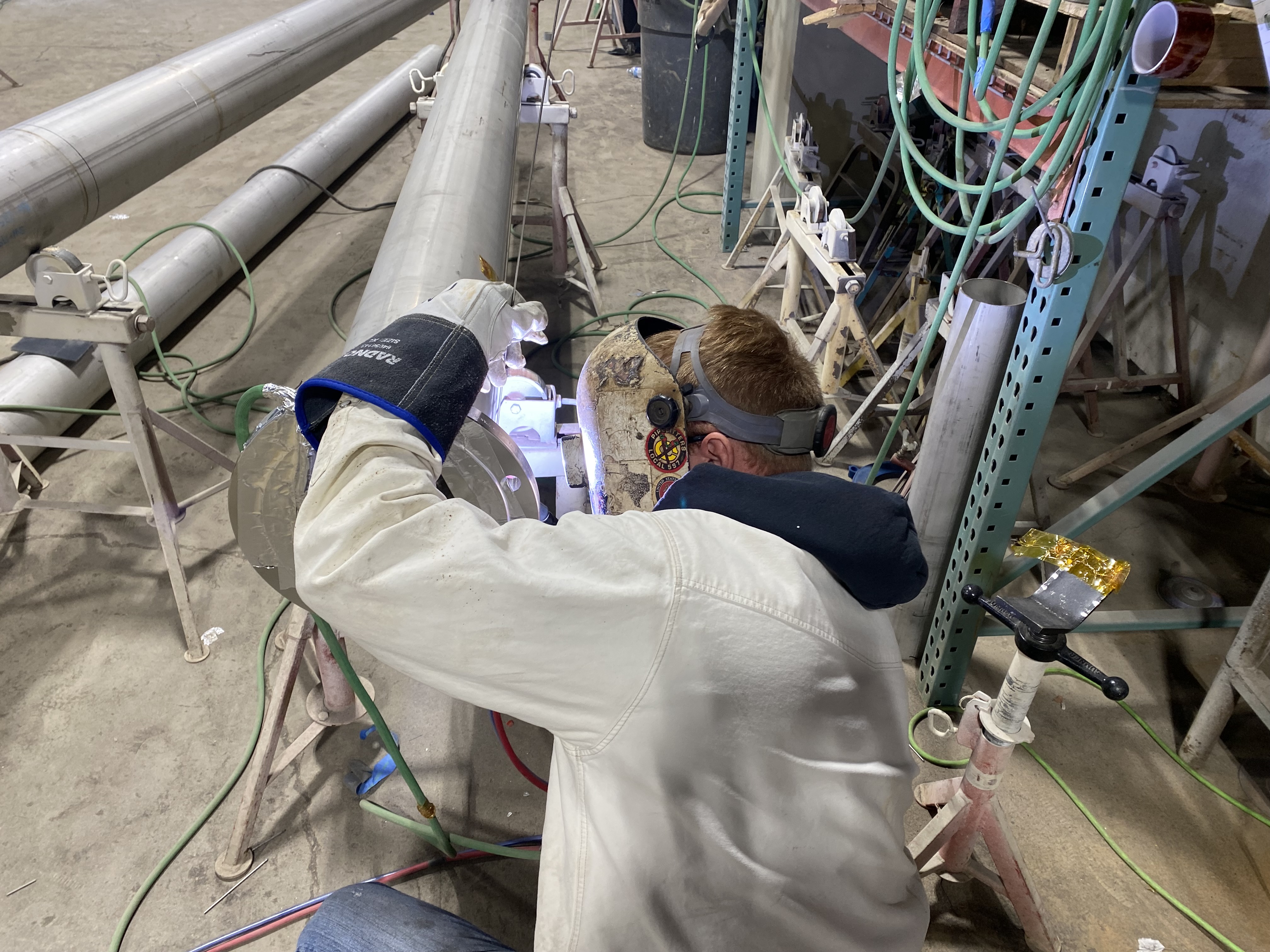
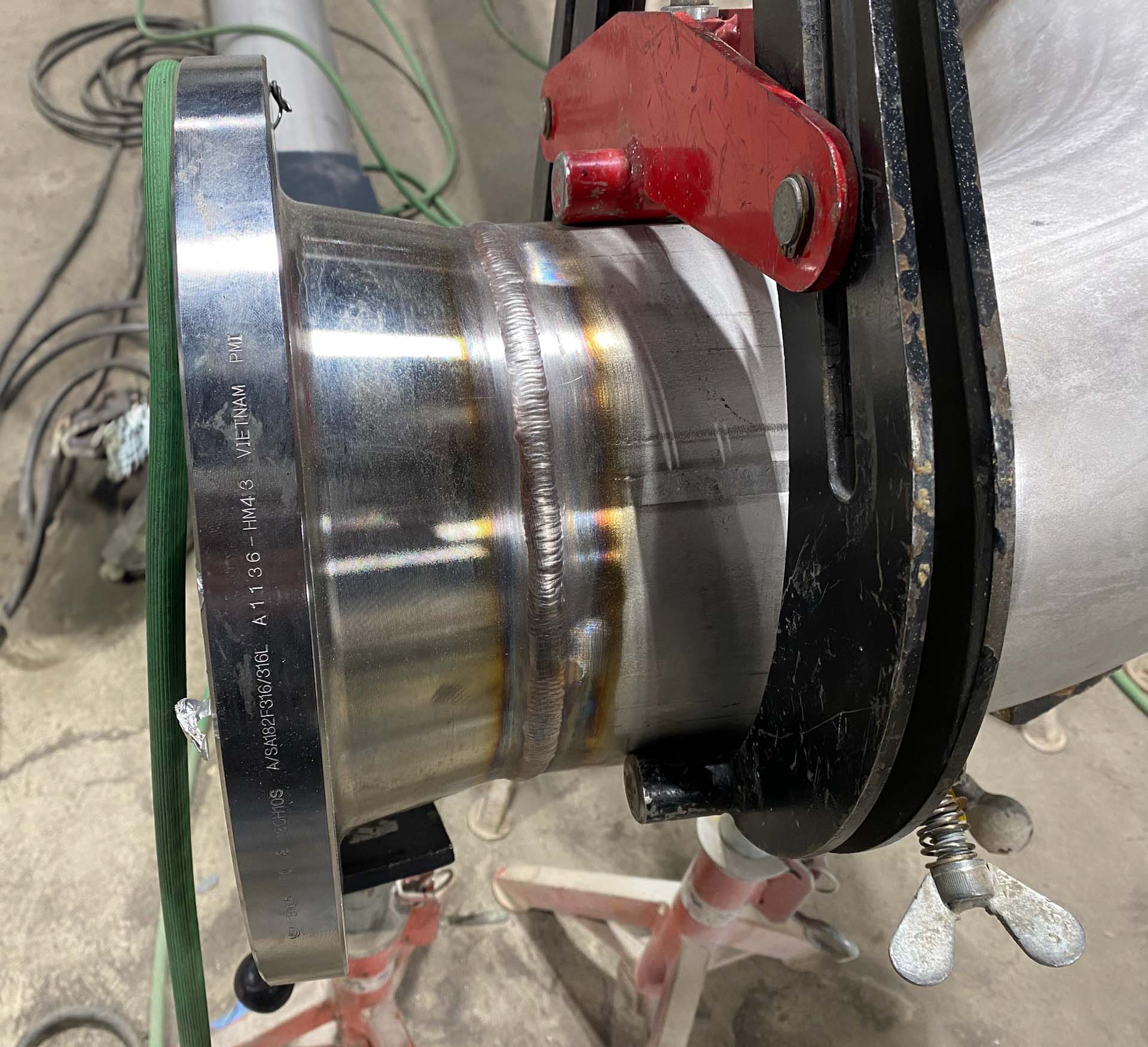
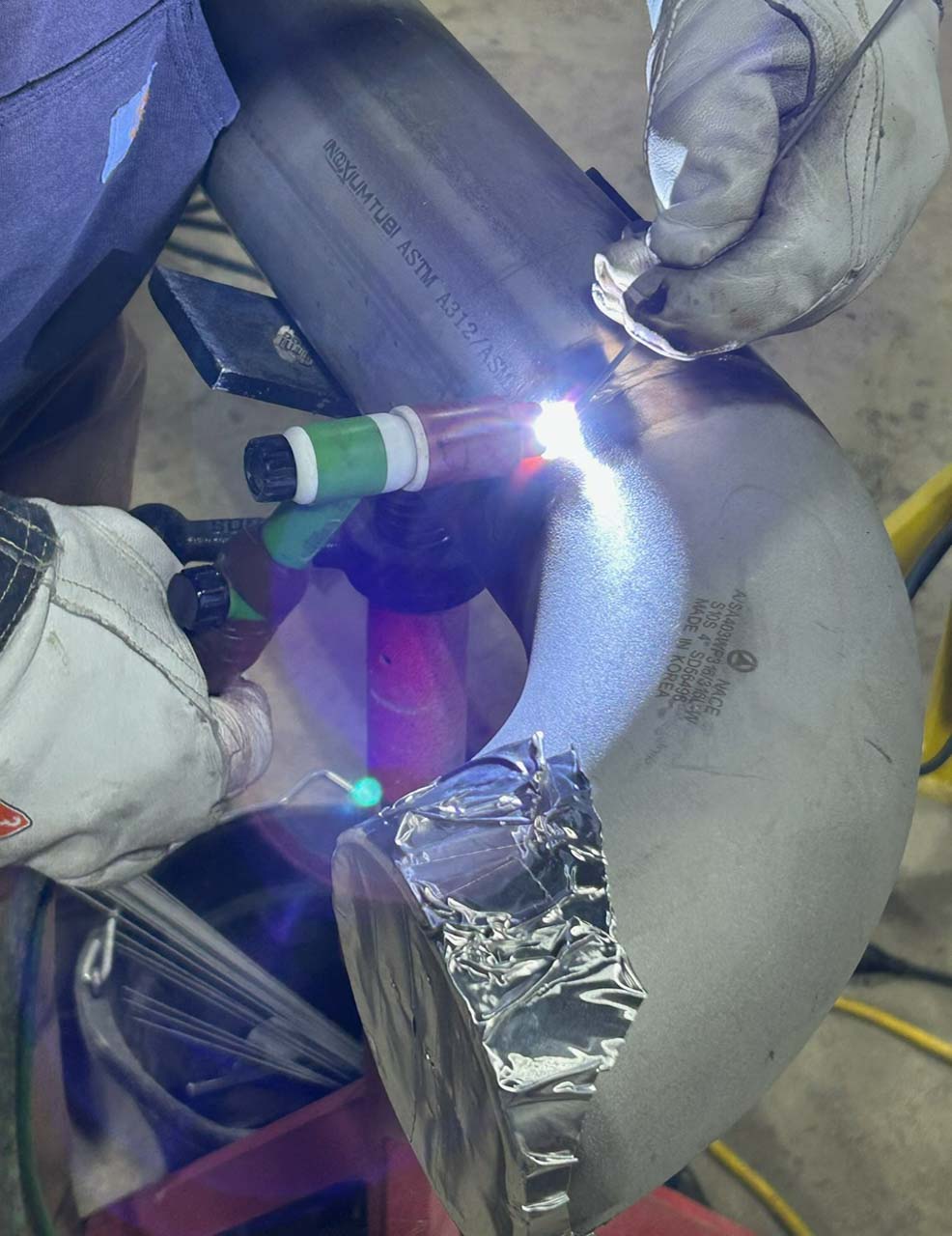
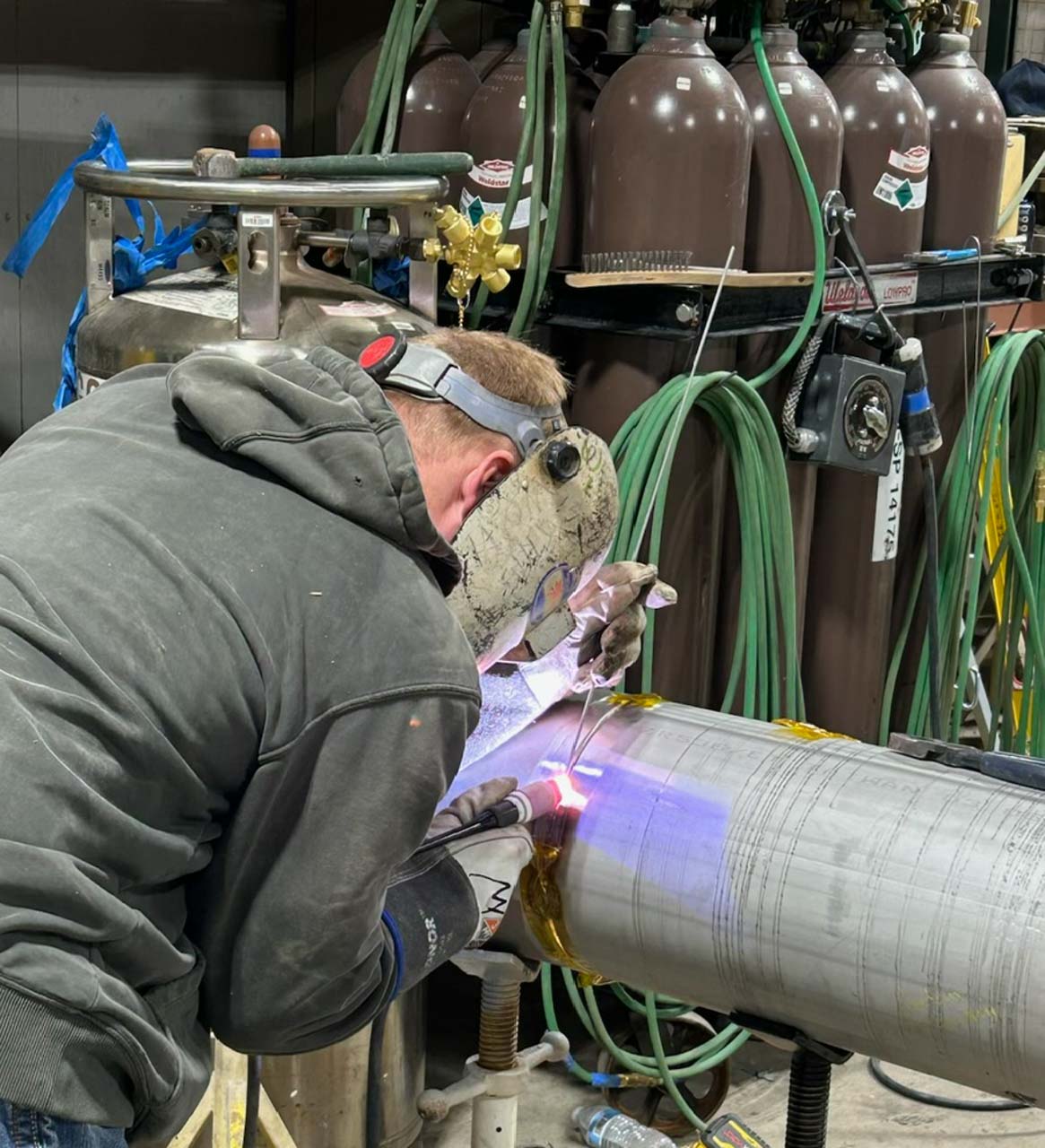
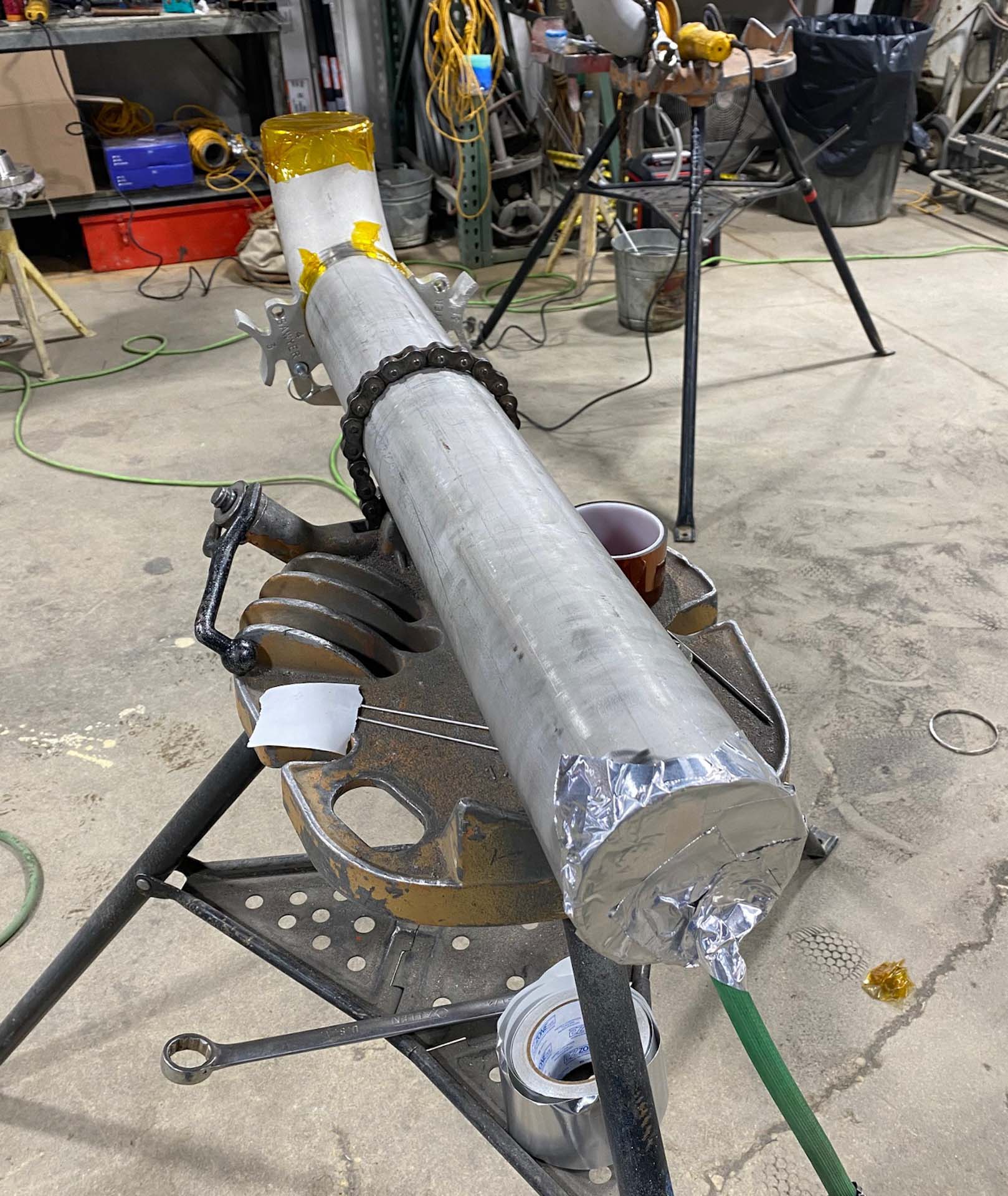
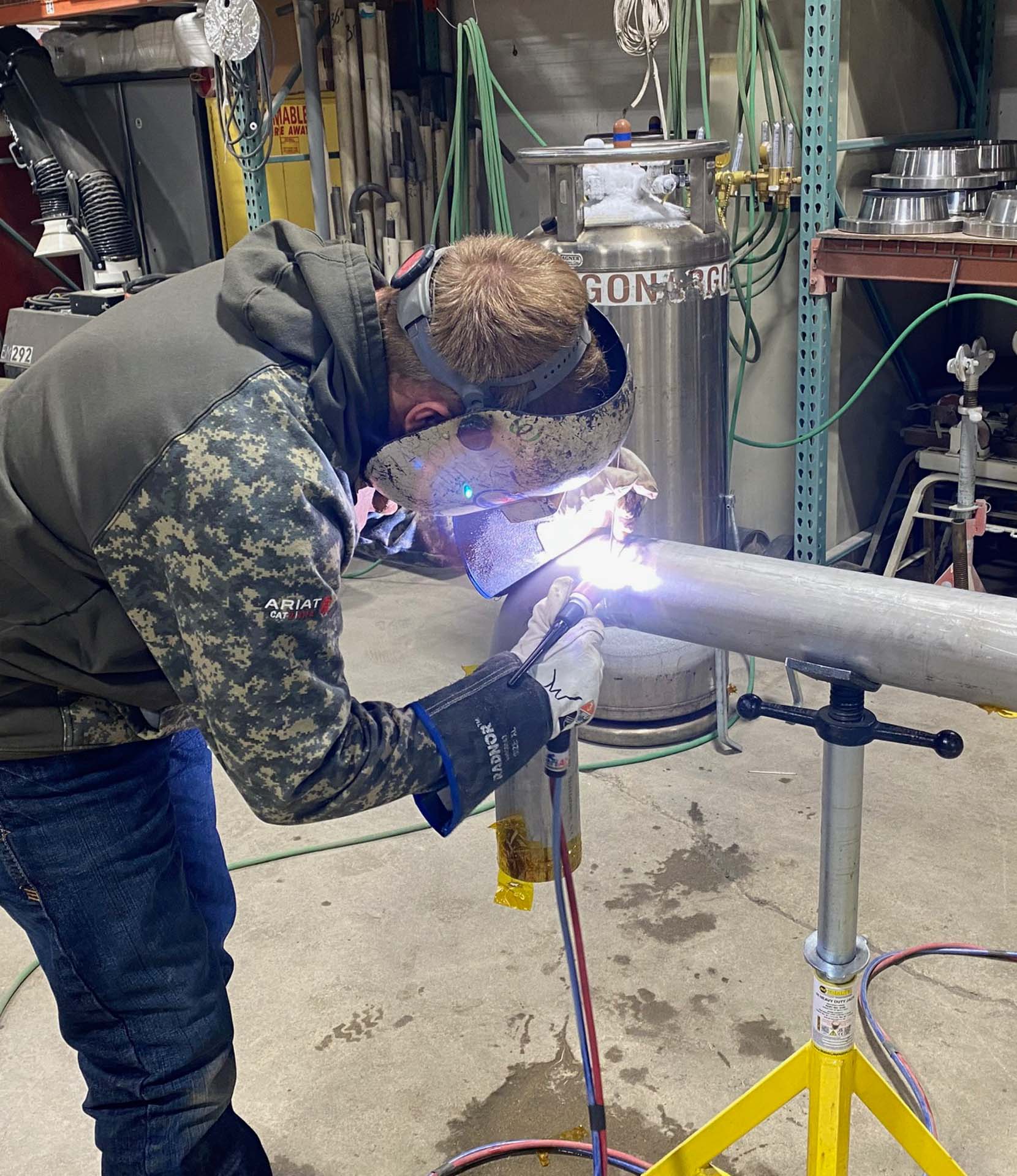
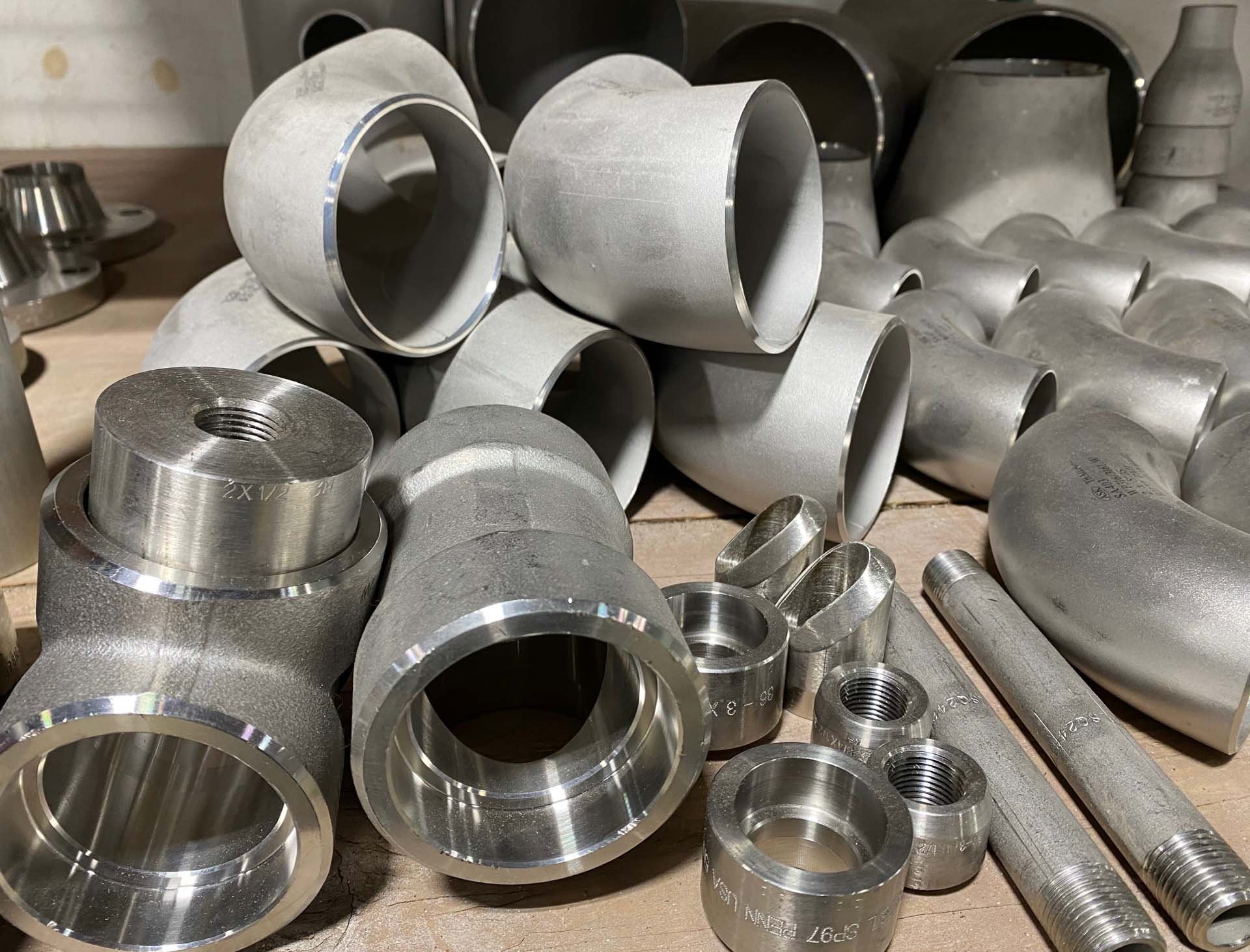
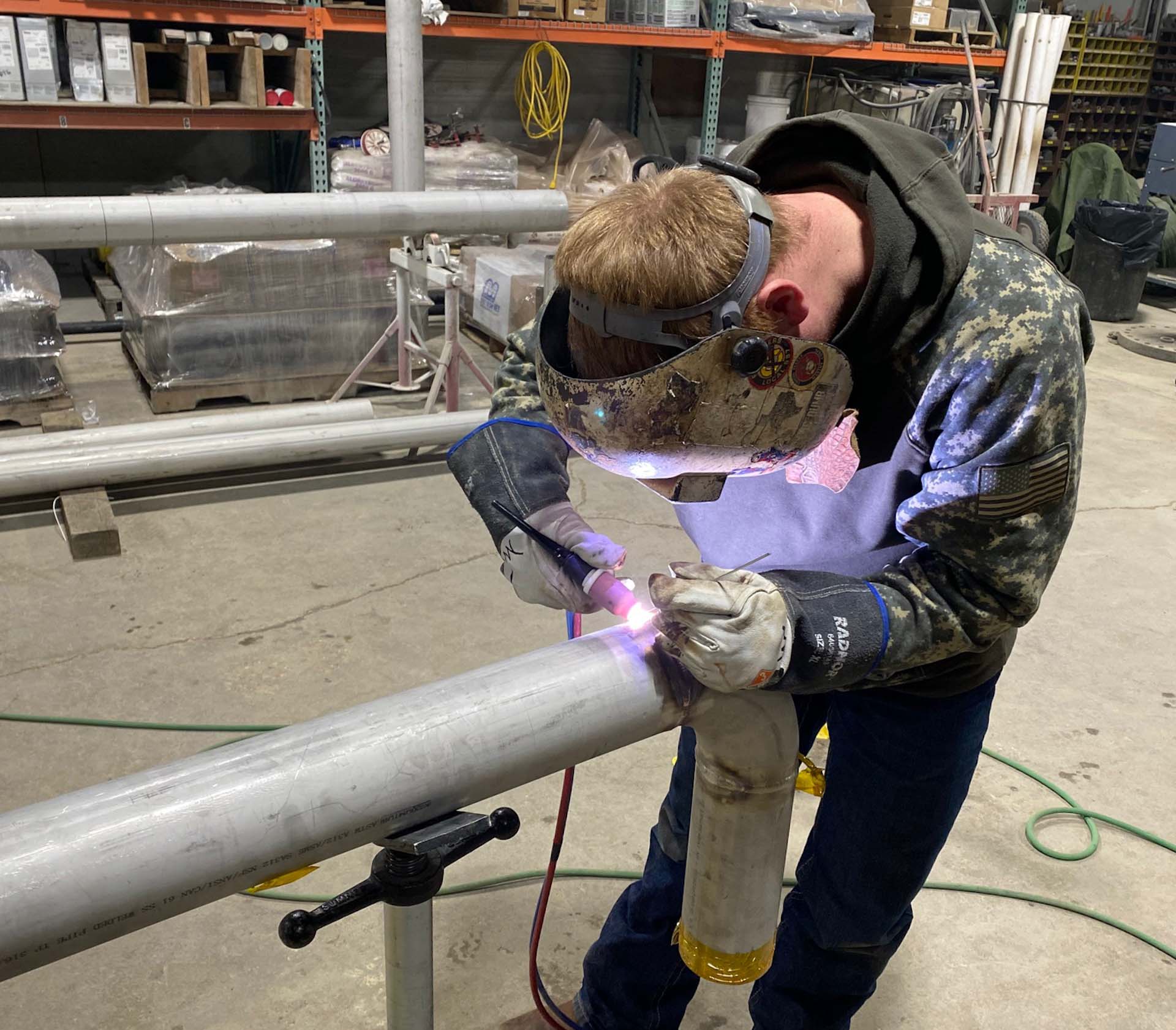
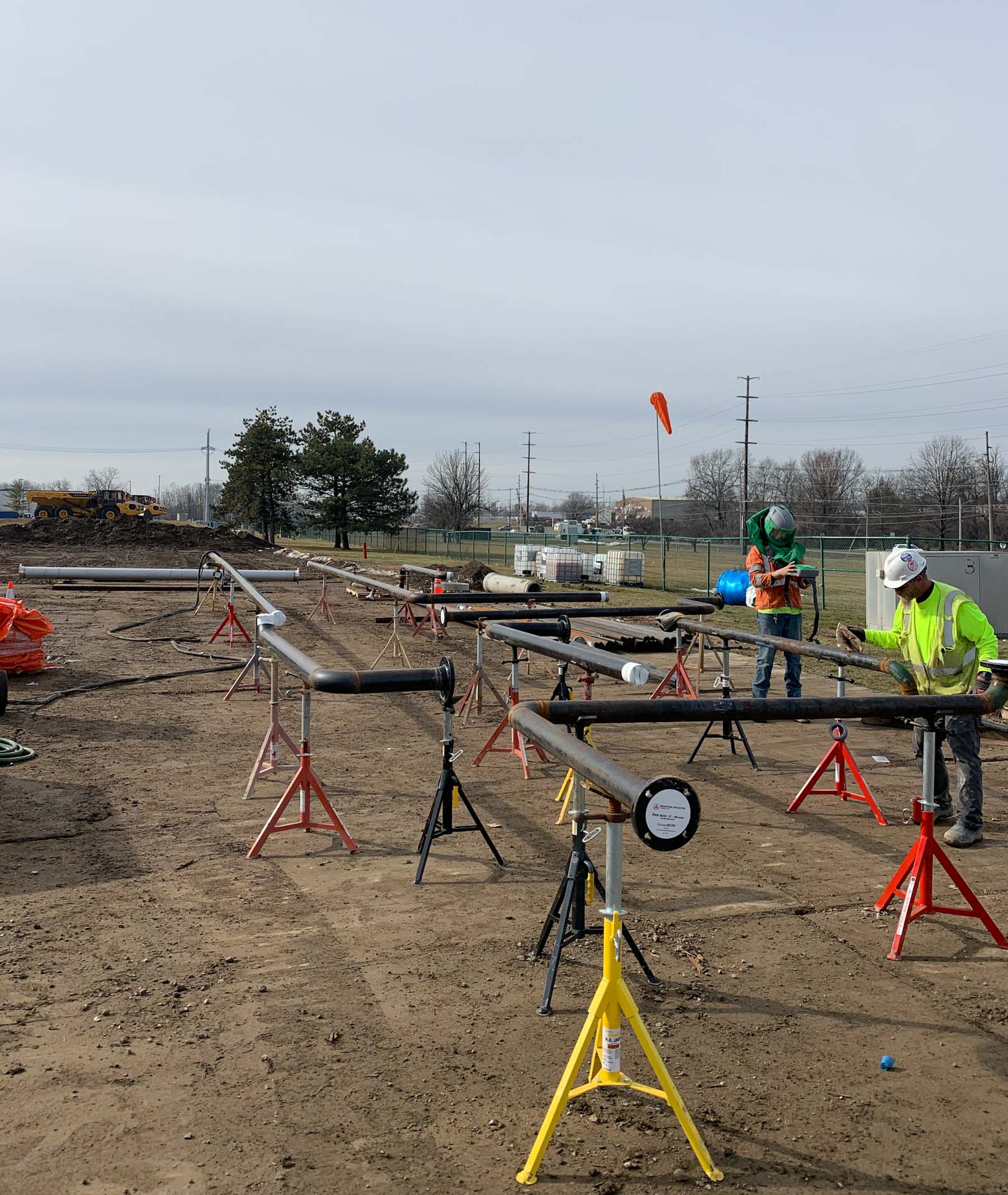
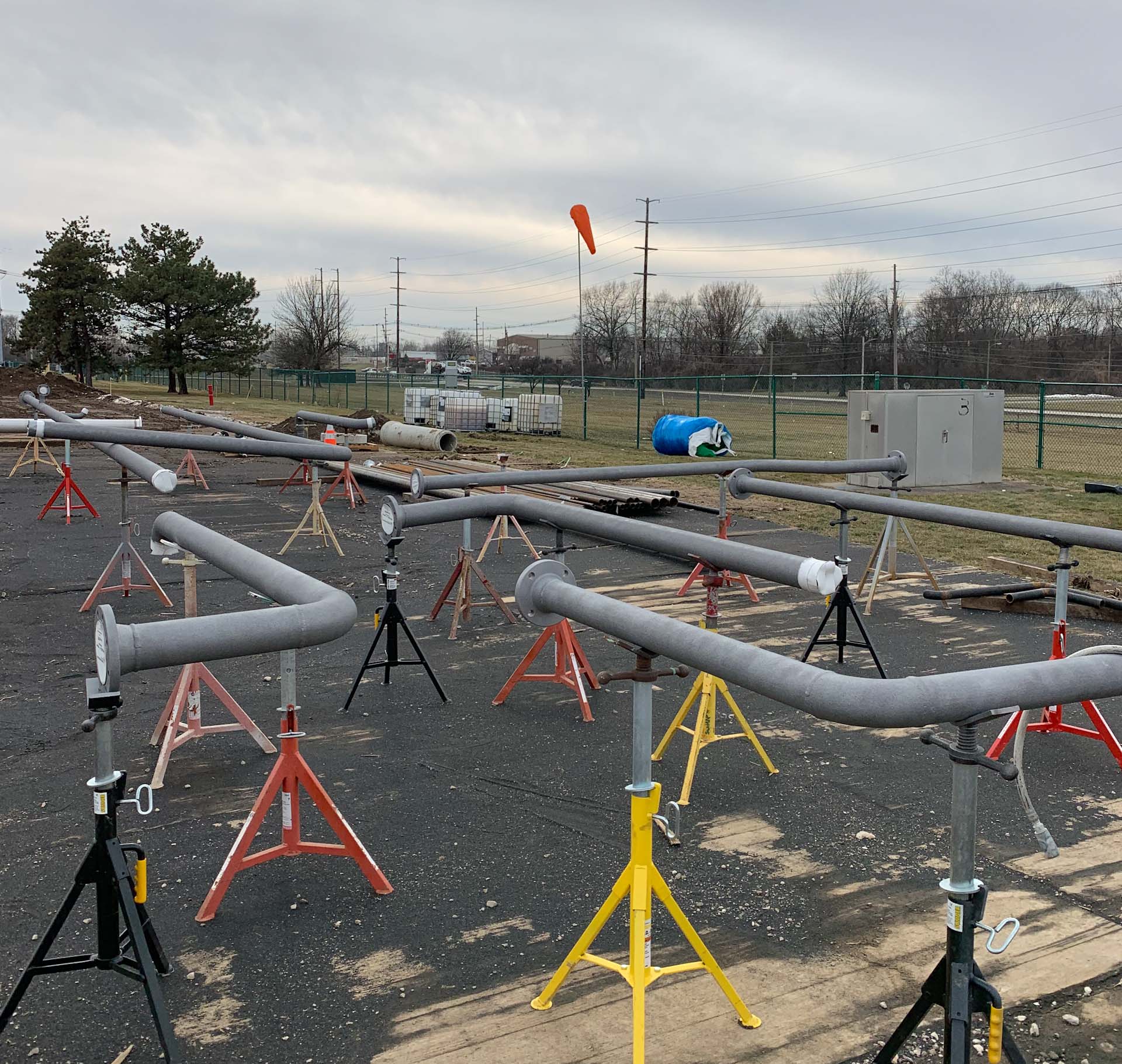
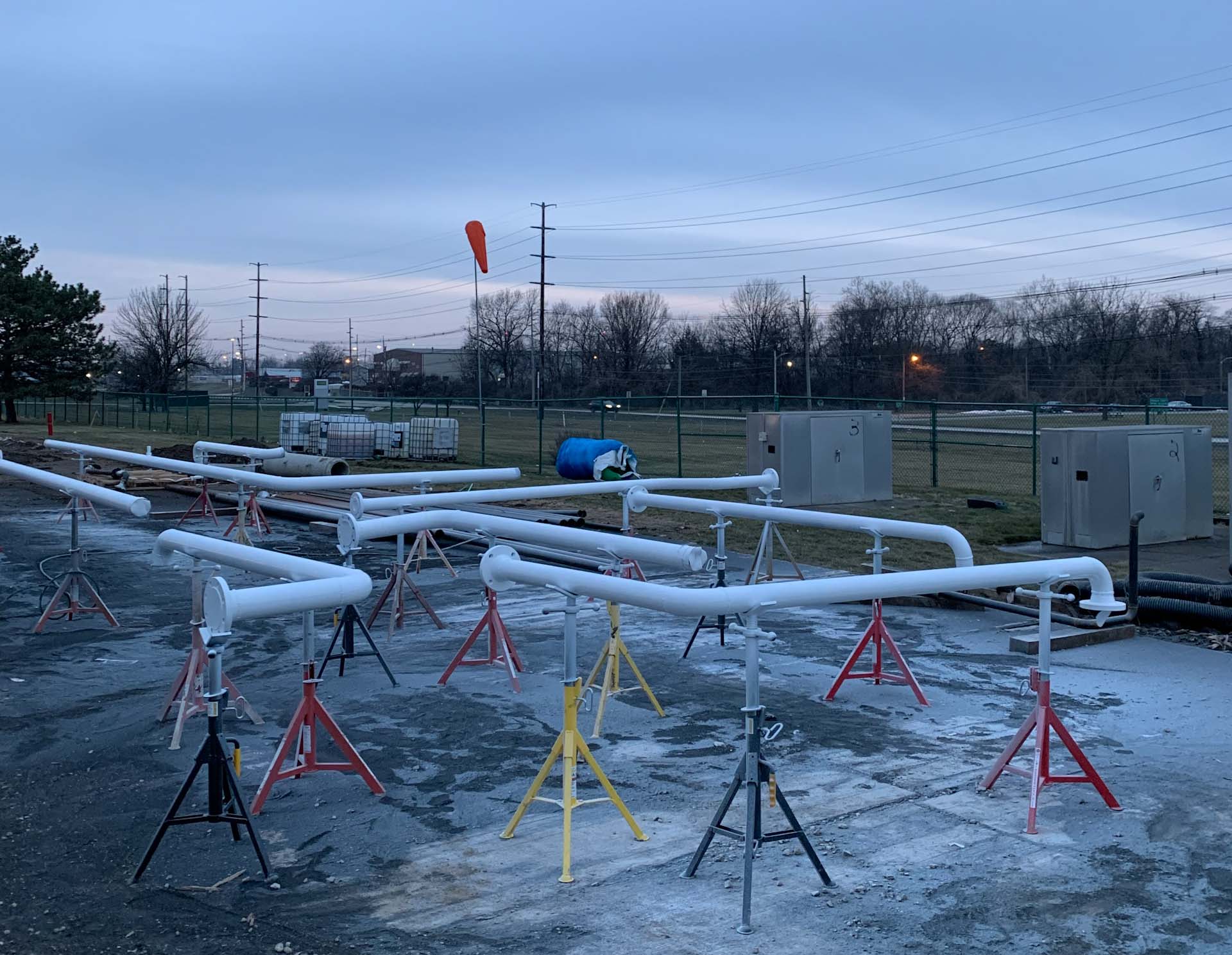
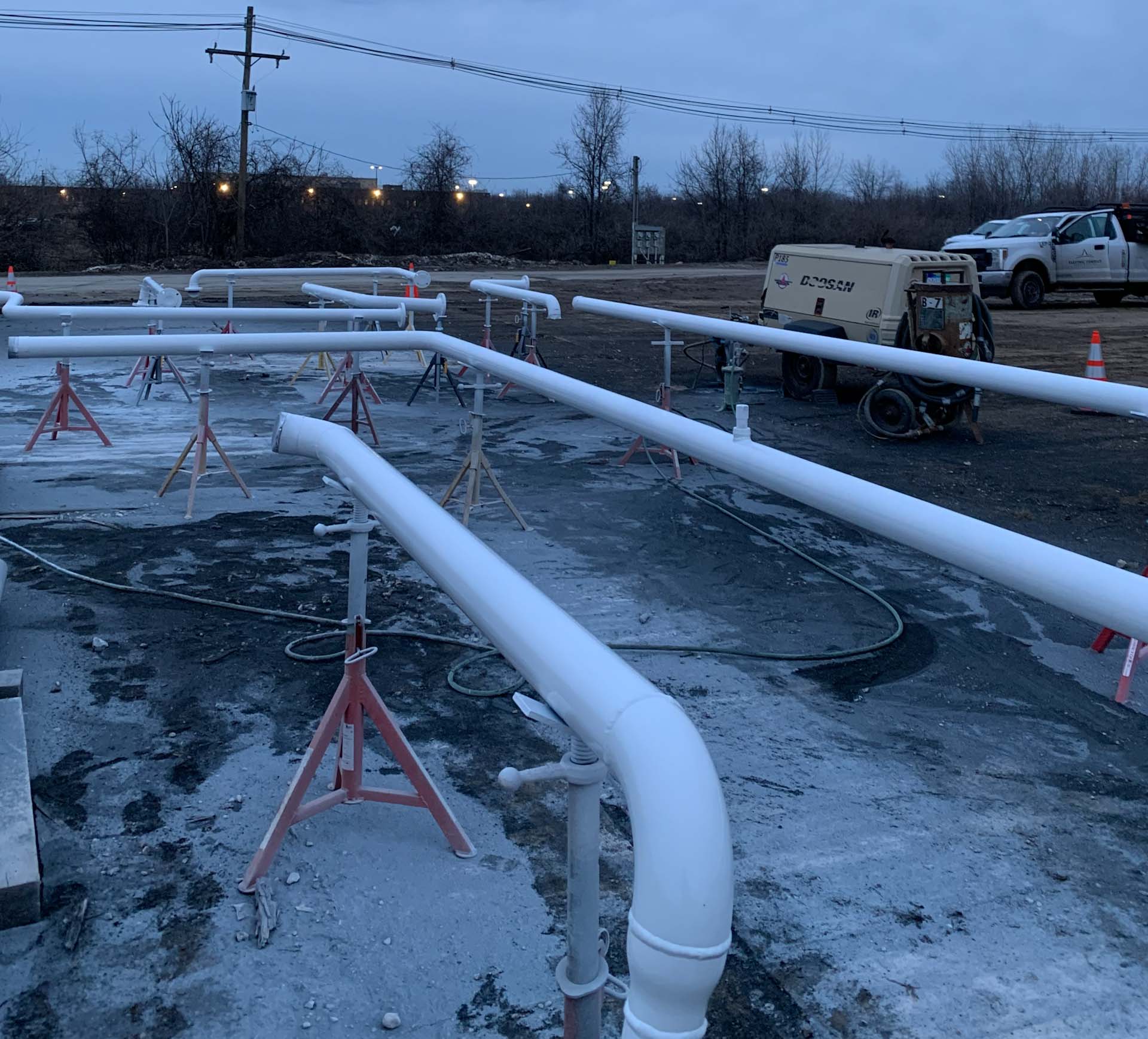
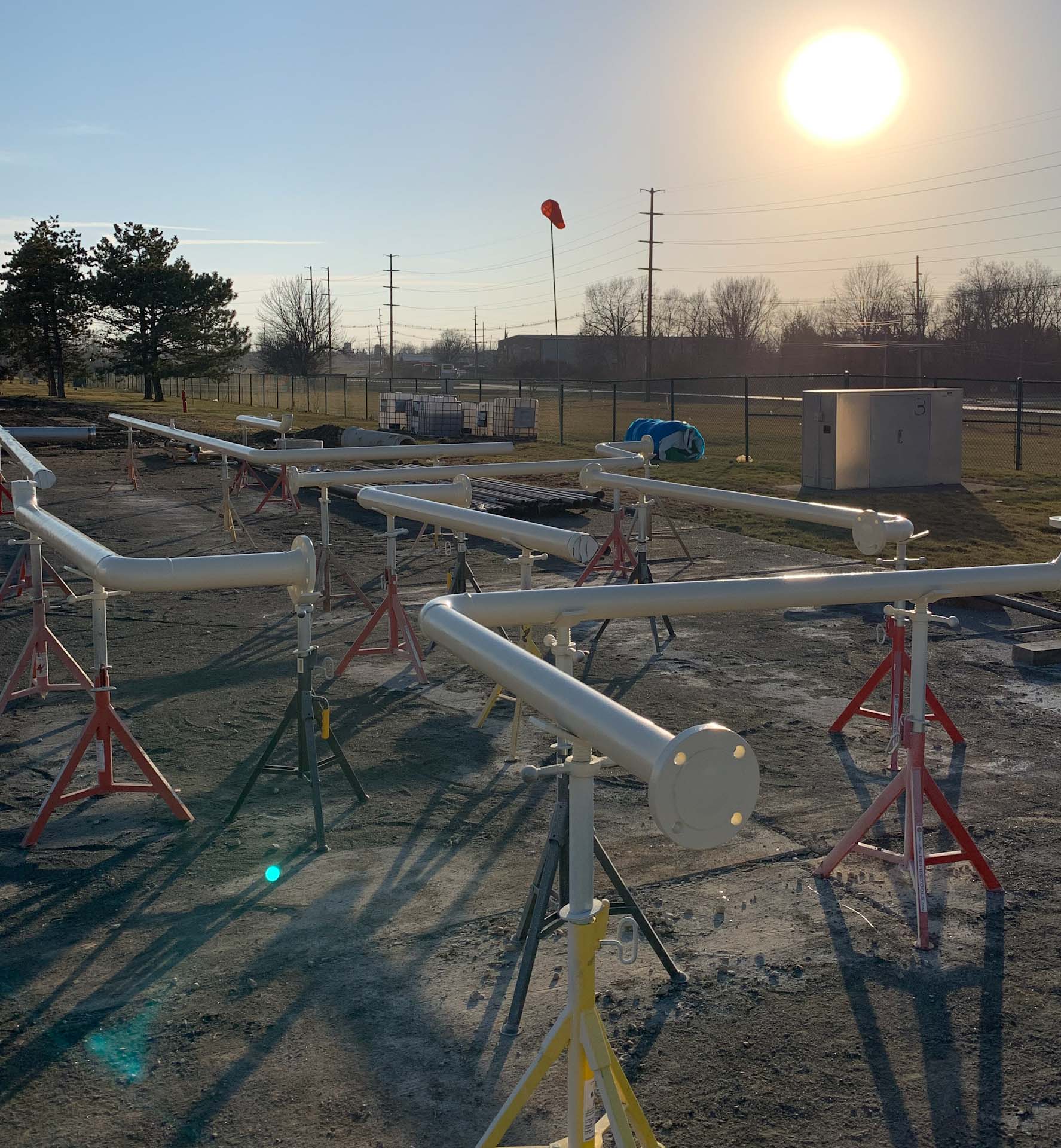
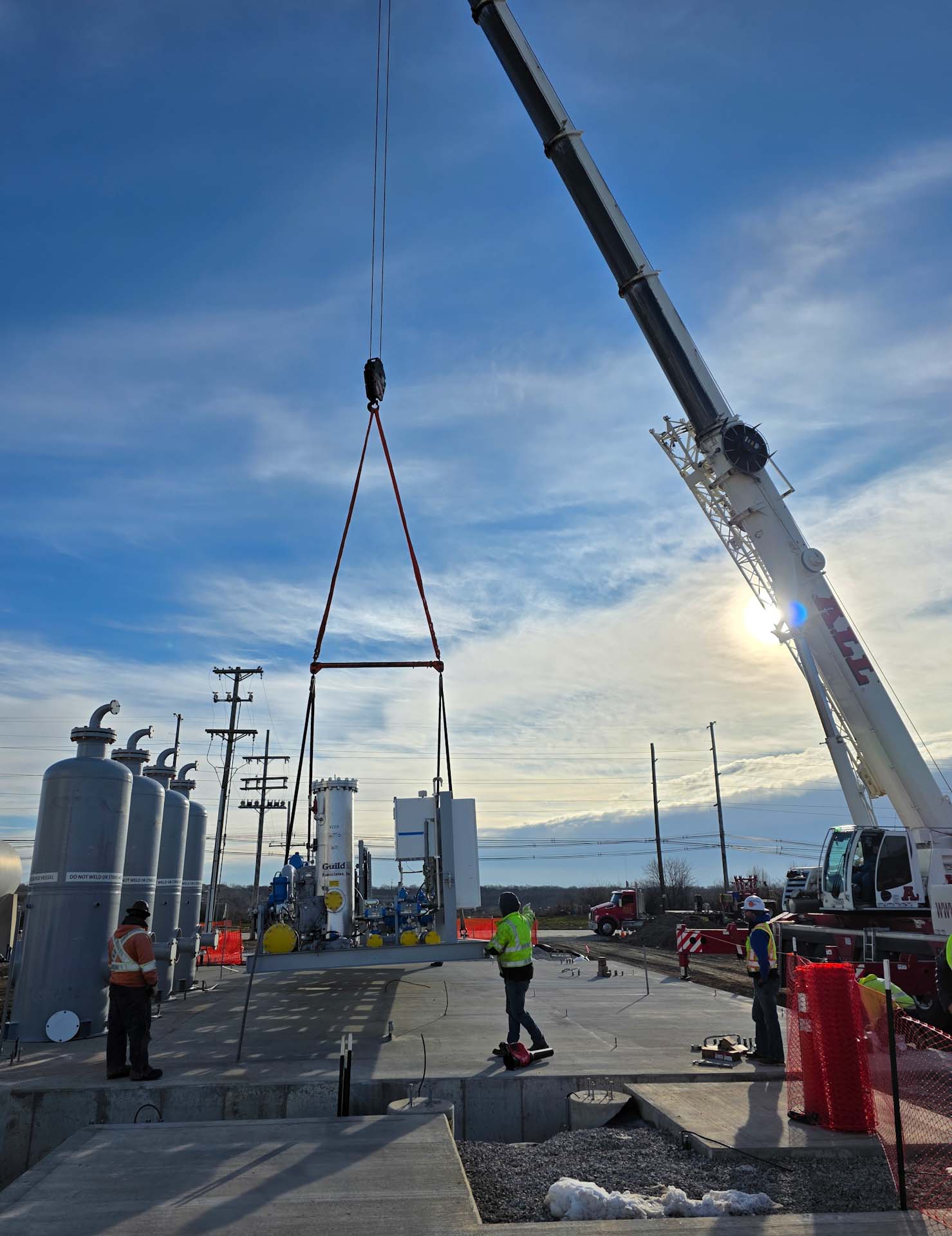
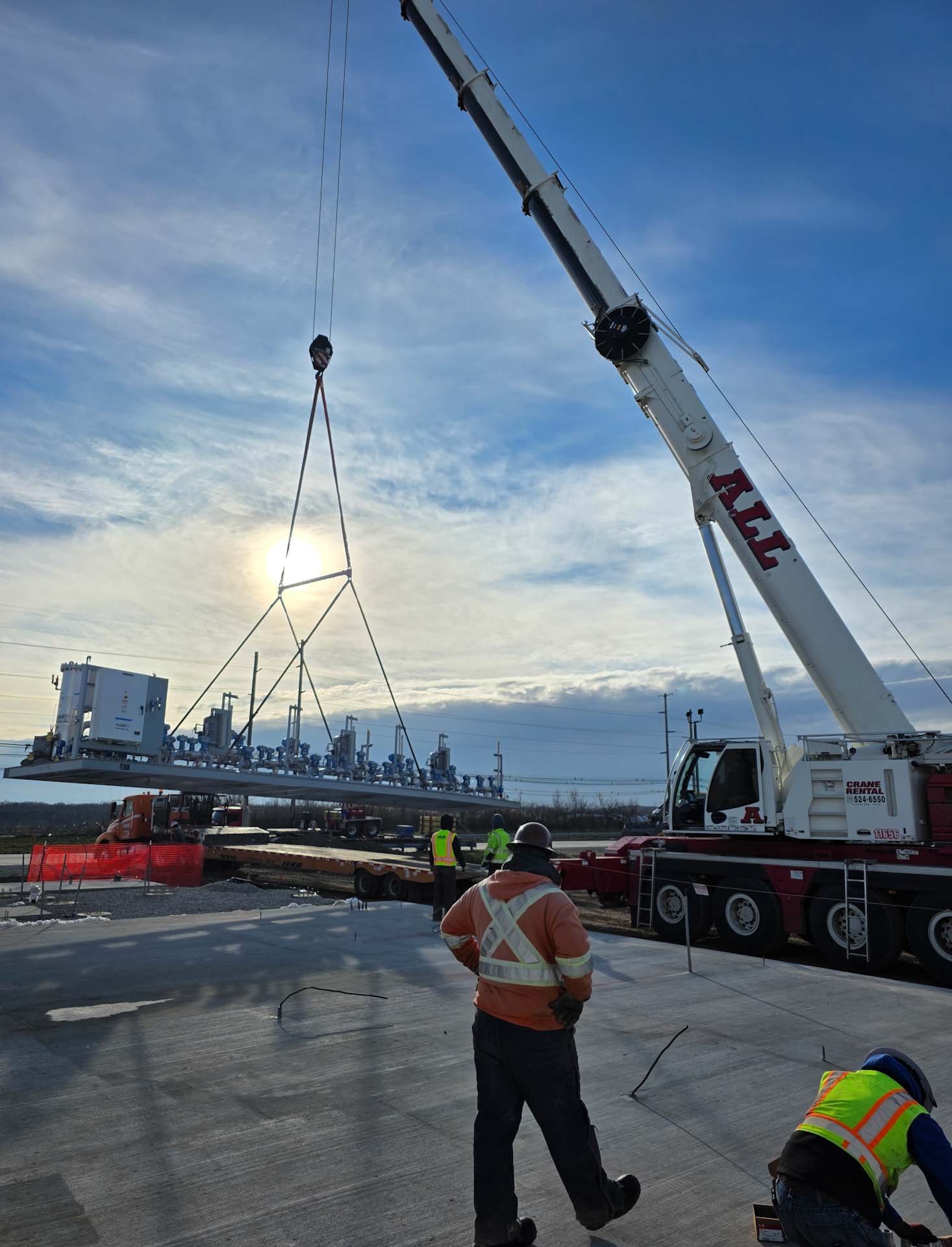
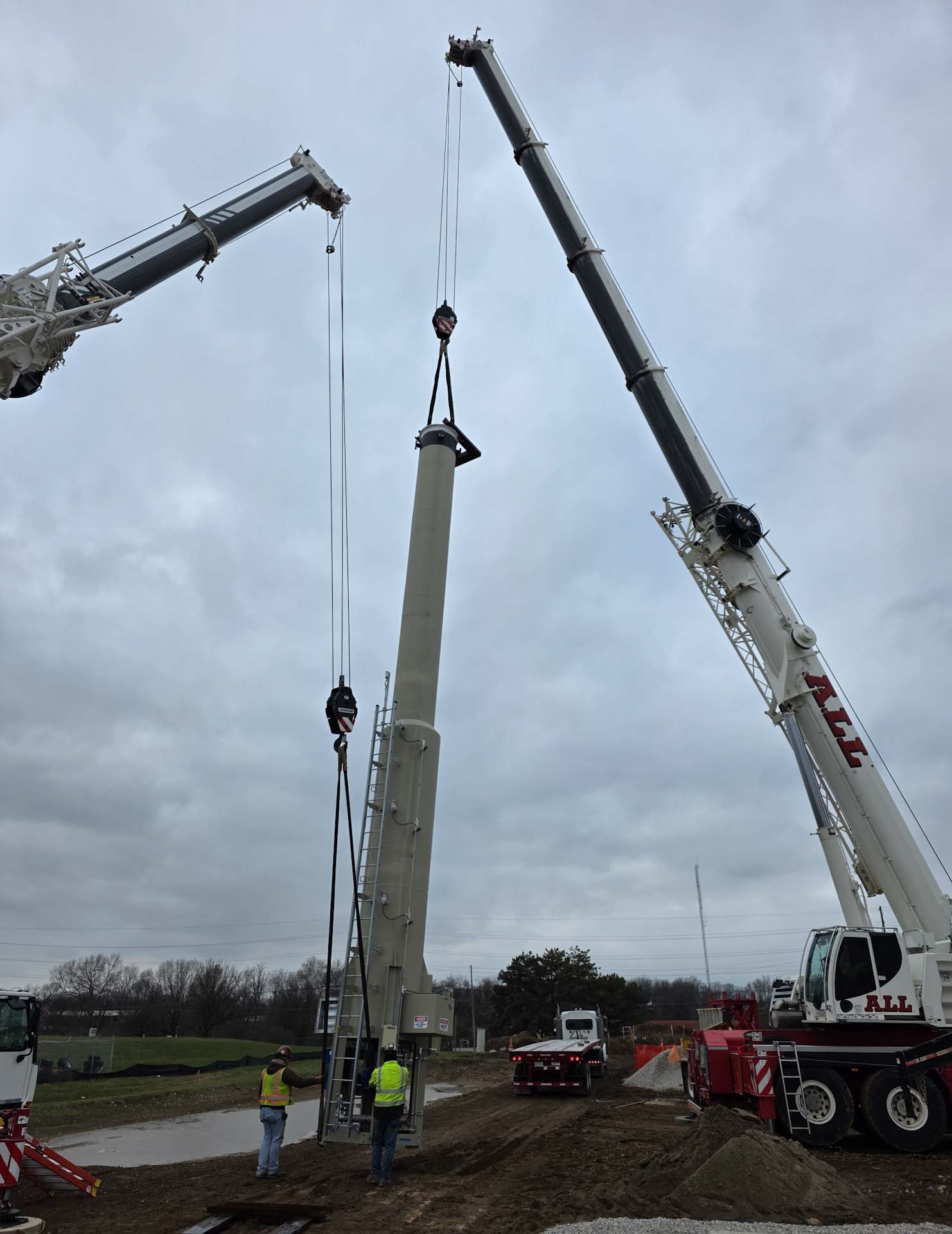
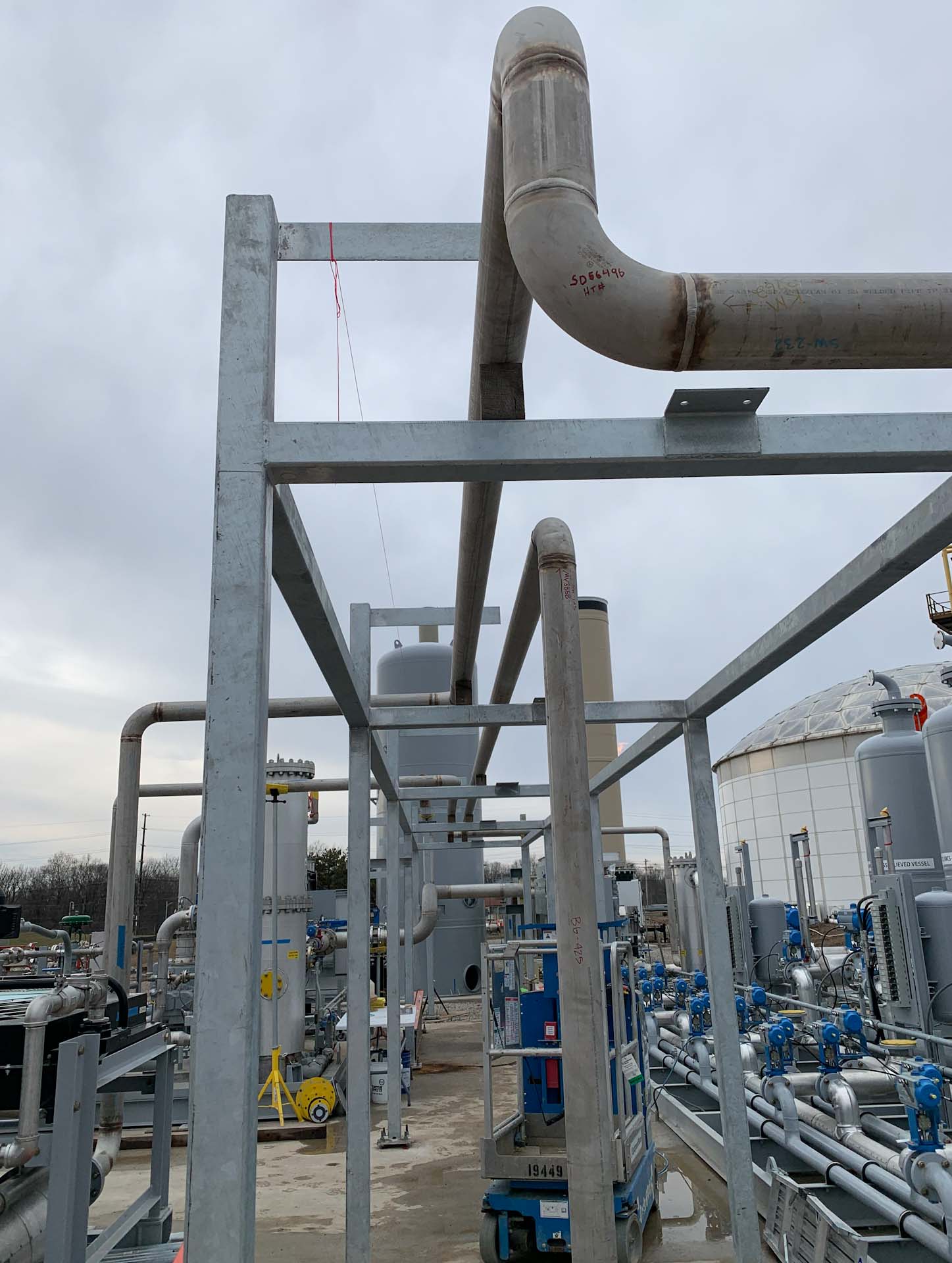
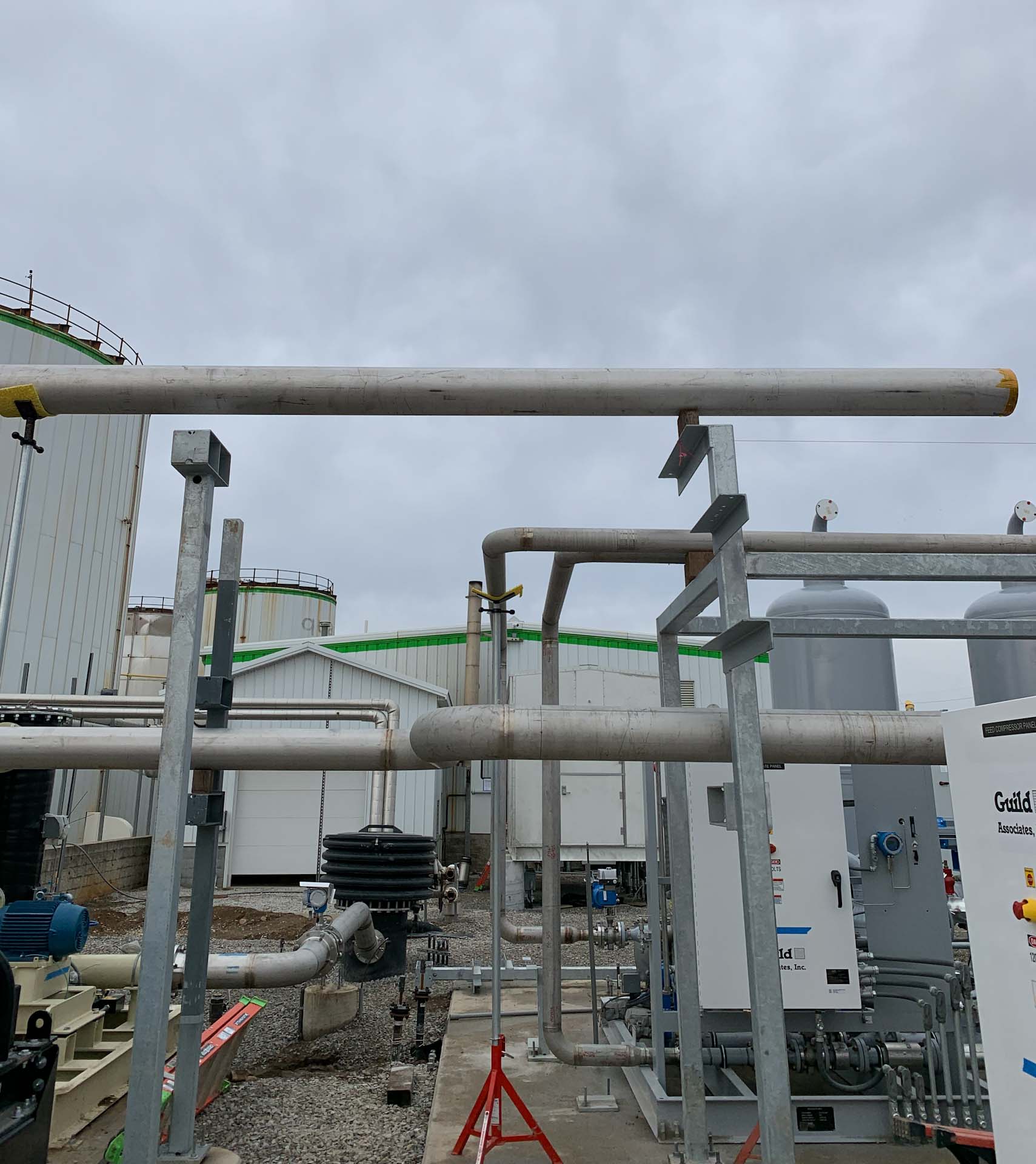
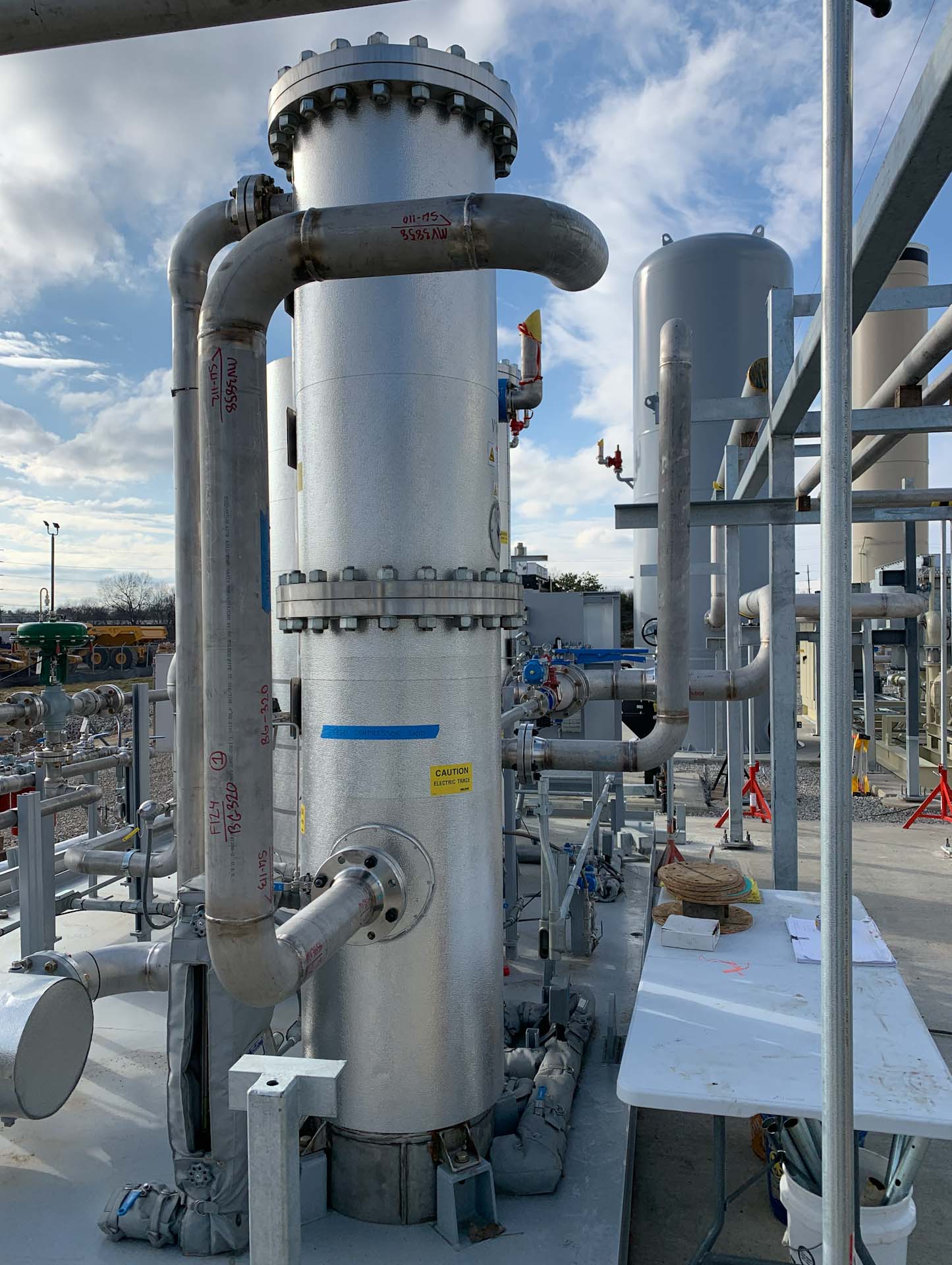
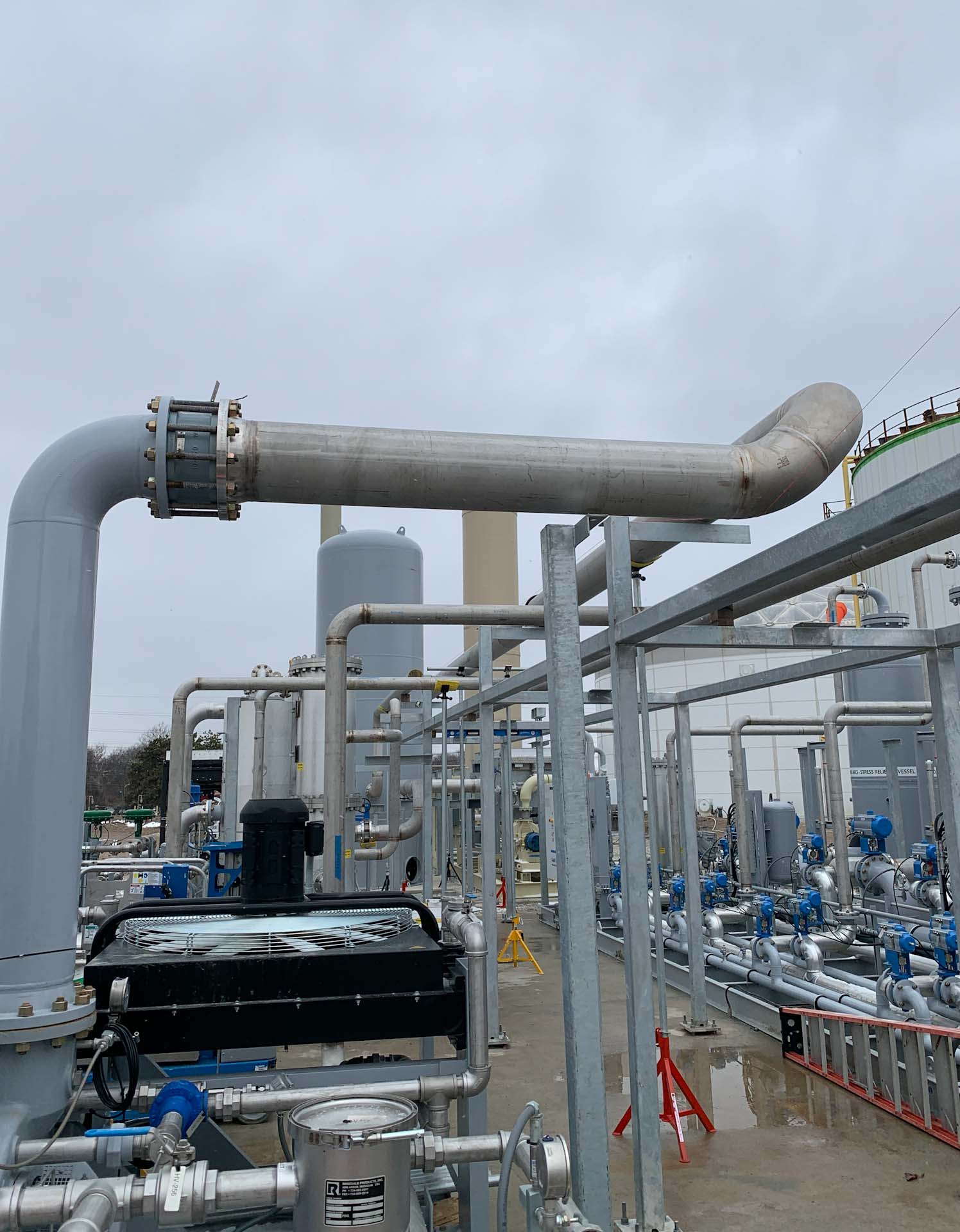
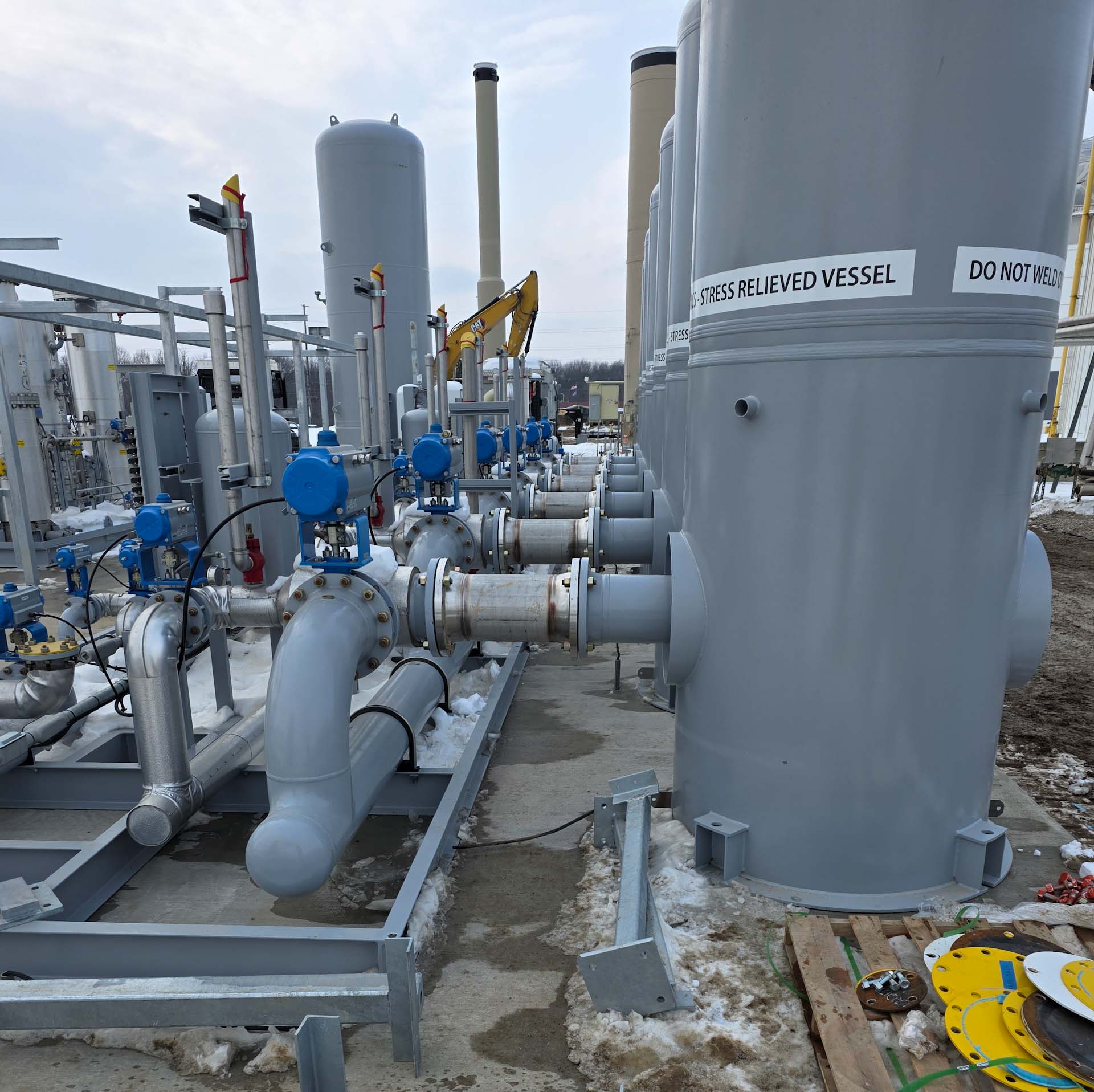
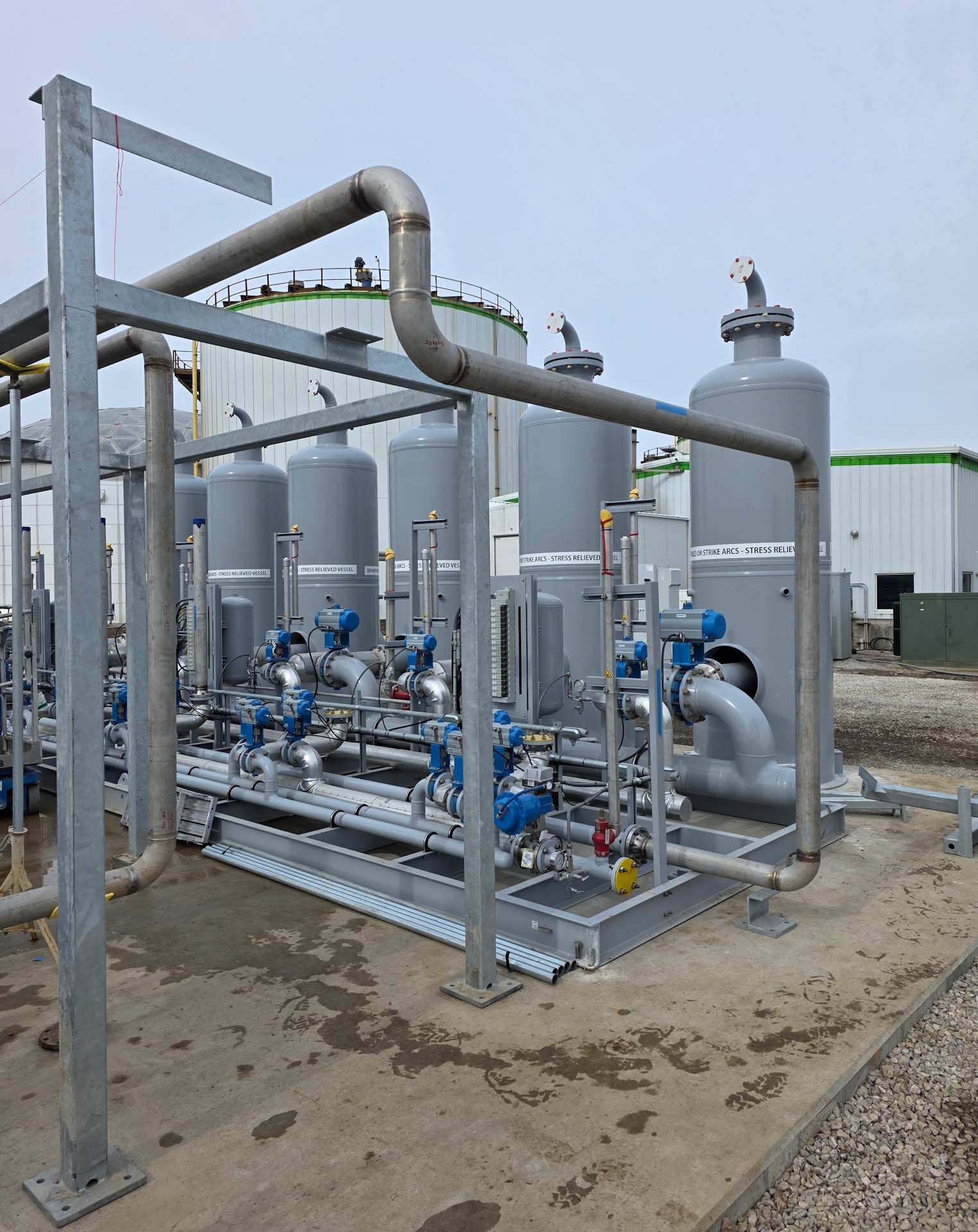
Click on any image to run slide show on piping, fabrication and installation
-
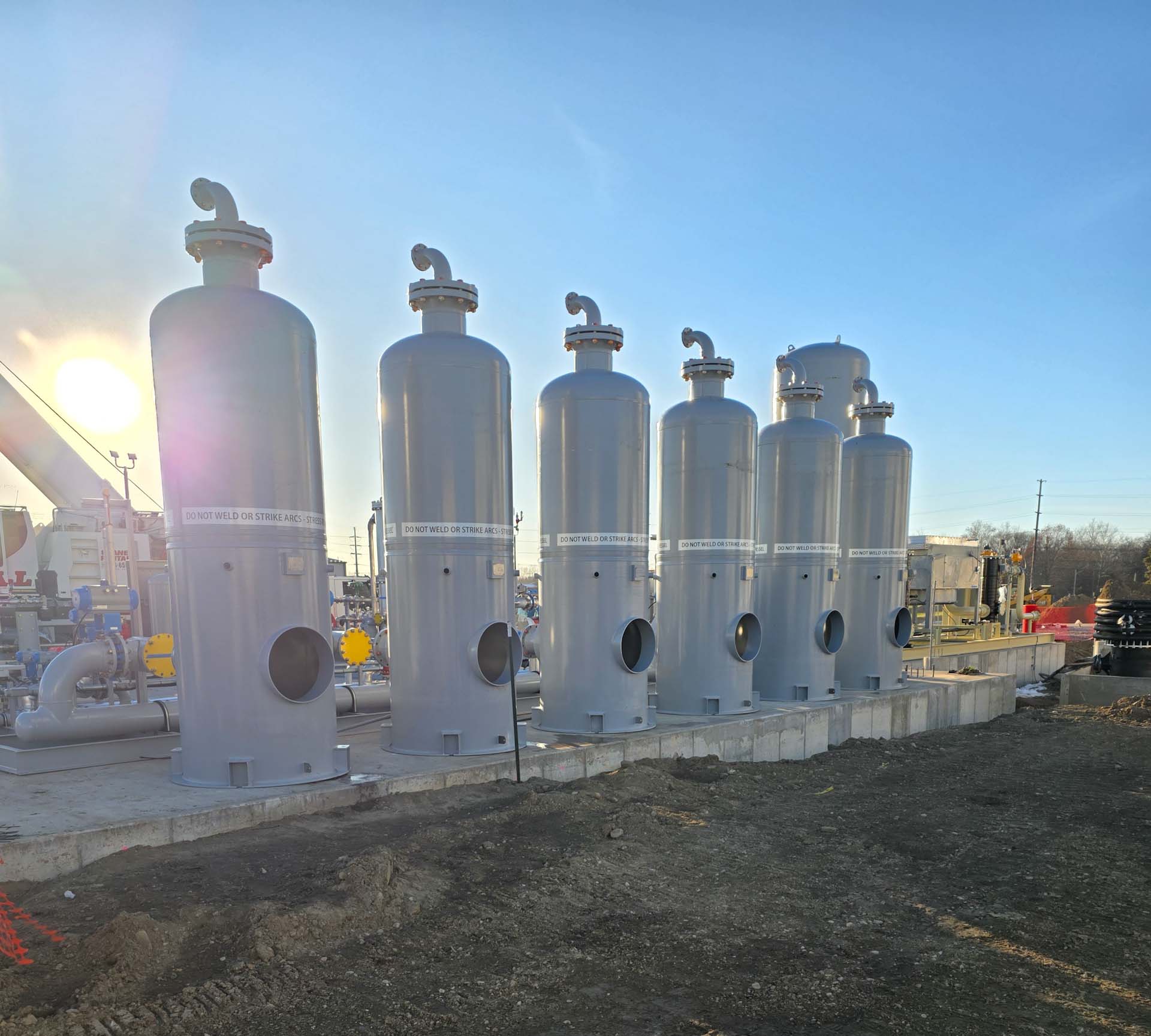
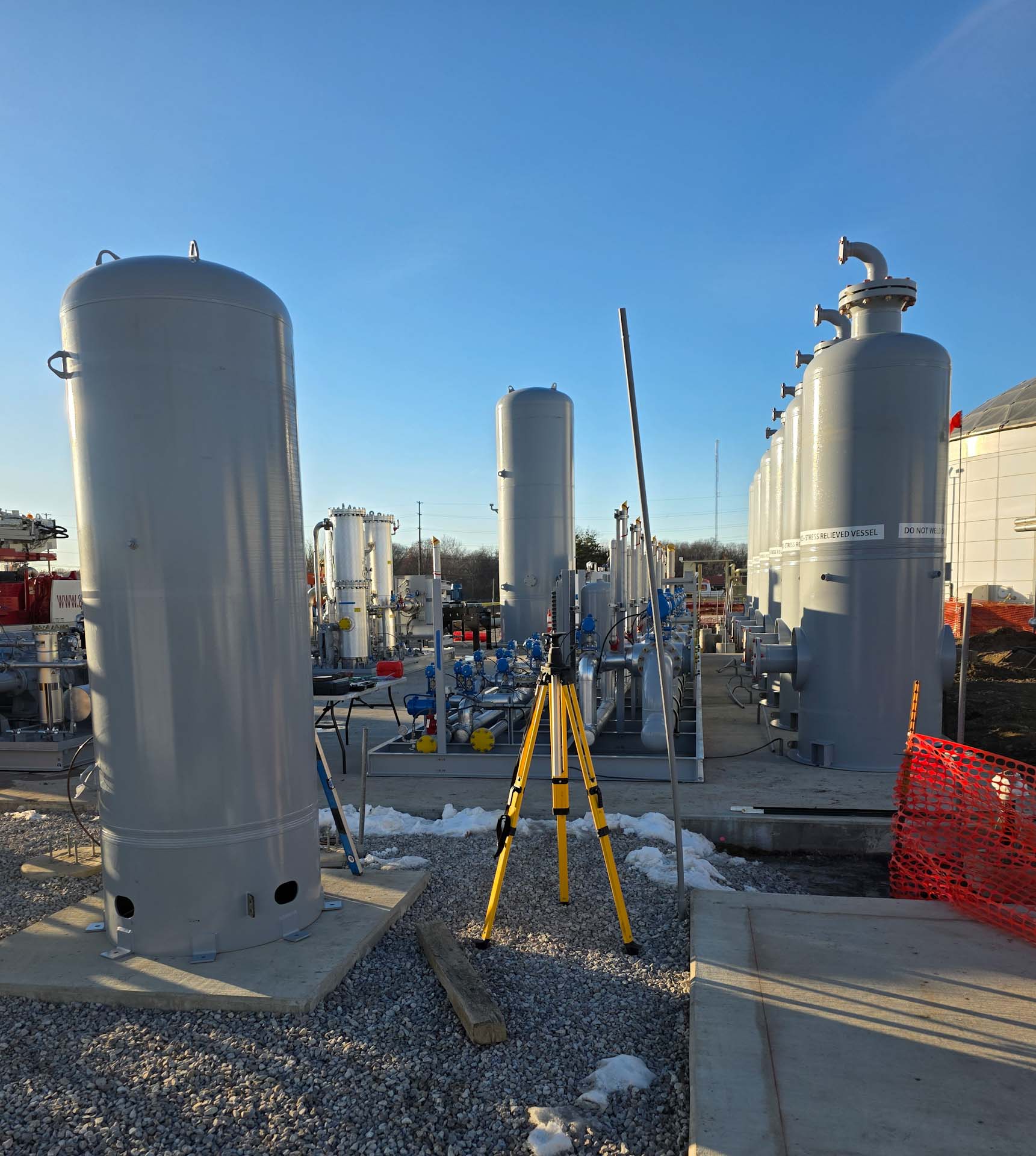
- Piping and Equipment Installation: Structural steel and pipe support; field fabrication of carbon steel pipe, sand blasting, and coating. Placement of gas processing equipment, flare stack, and compression equipment.
- Installation: Installation of stainless steel, carbon steel, and HDPE piping, including associated pressure and hydrostatic tests. The raw gas contains corrosive residual compounds, necessitating the use of stainless-steel pipe upstream from the processing equipment.
- Electrical and Controls: Connecting conduits, pulling wire, and terminating at control panels and switchgear.
- Completion and Restoration: Completion of manholes, the storm drain system and seeding of the detention pond banks. Laying the interconnection line, stubbing up for connection, and backfilling. Final site restoration, mat removal, clean-up, and demobilization.
The Outcome: Production and Sustainability
Once the upgrade is complete, the facility will process the raw biogas into pure methane, a process that removes all compounds except methane. The composition of the raw biogas is typically 45-60% methane and 40-60% carbon dioxide, along with trace residual gases (Oxygen, nitrogen, ammonia, hydrogen, carbon monoxide, sulfides, and NMOCs).
The estimated output for the upgraded facility is 100 million to 300 million cubic feet of pure methane per year, highlighting the successful transformation of an existing waste-to-energy operation into a high-capacity RNG producer. This project not only creates a new revenue stream but also significantly enhances the facility’s commitment to sustainable practices by maximizing the energy captured from organic waste.
Midwestern Contractors completed this project with no incidents. RNG projects are one of the company’s specialties. Following are reference links to other RNG projects. If you have an RNG project and would like to discuss it, develop a budget number or a hard dollar bid, please click on Request a Project or call Mike Purpura at 630-936-3282.
Will County Renewable Natural Gas (RNG) Project - Renewable Natural Gas Project